
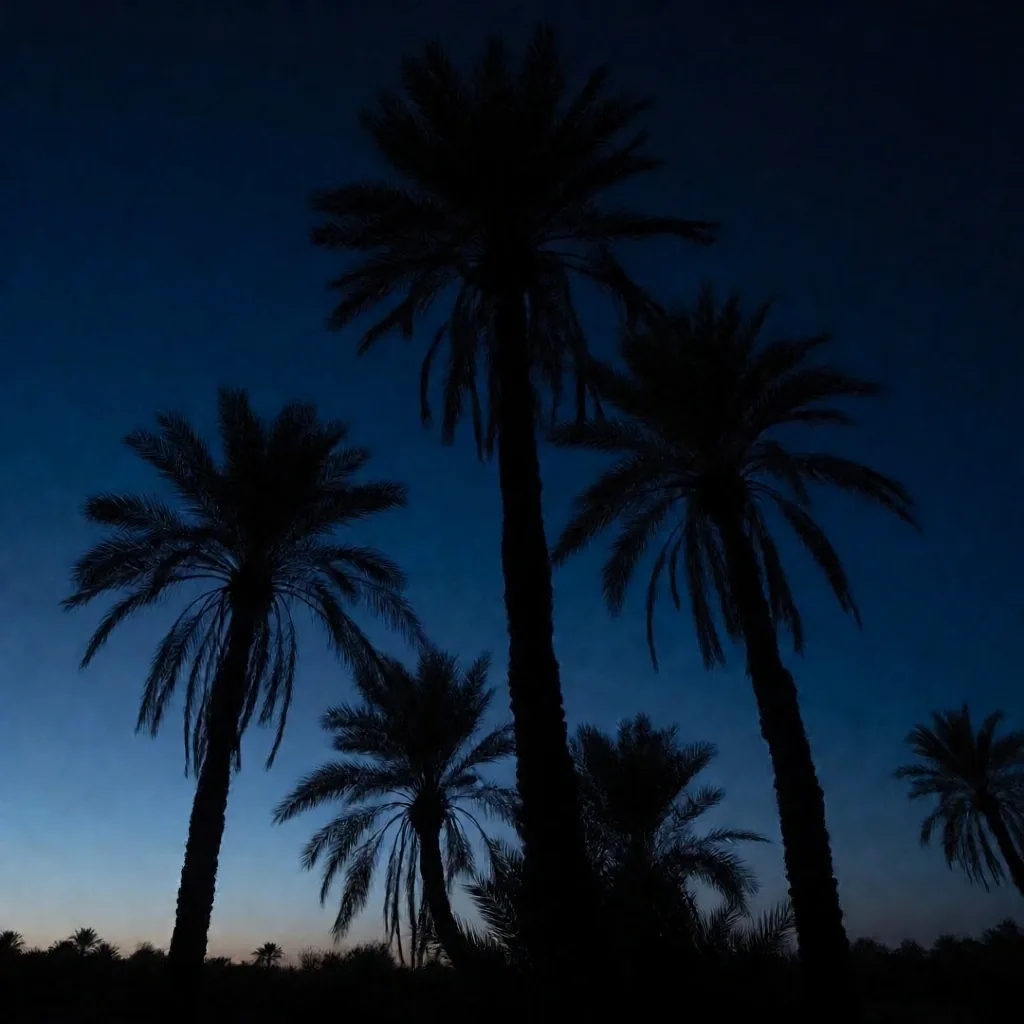
Top Scenic Spots for Natural Beauty
For those who travel with a camera or simply an appreciation for the sublime, Egypt offers a wealth of visually stunning locations. From the stark geometry of the desert to the lush colors of the river valley, the country is a masterpiece of natural design. Our travel guides have identified the most scenic spots that every traveller into Egypt should consider.
The Fjord of the East
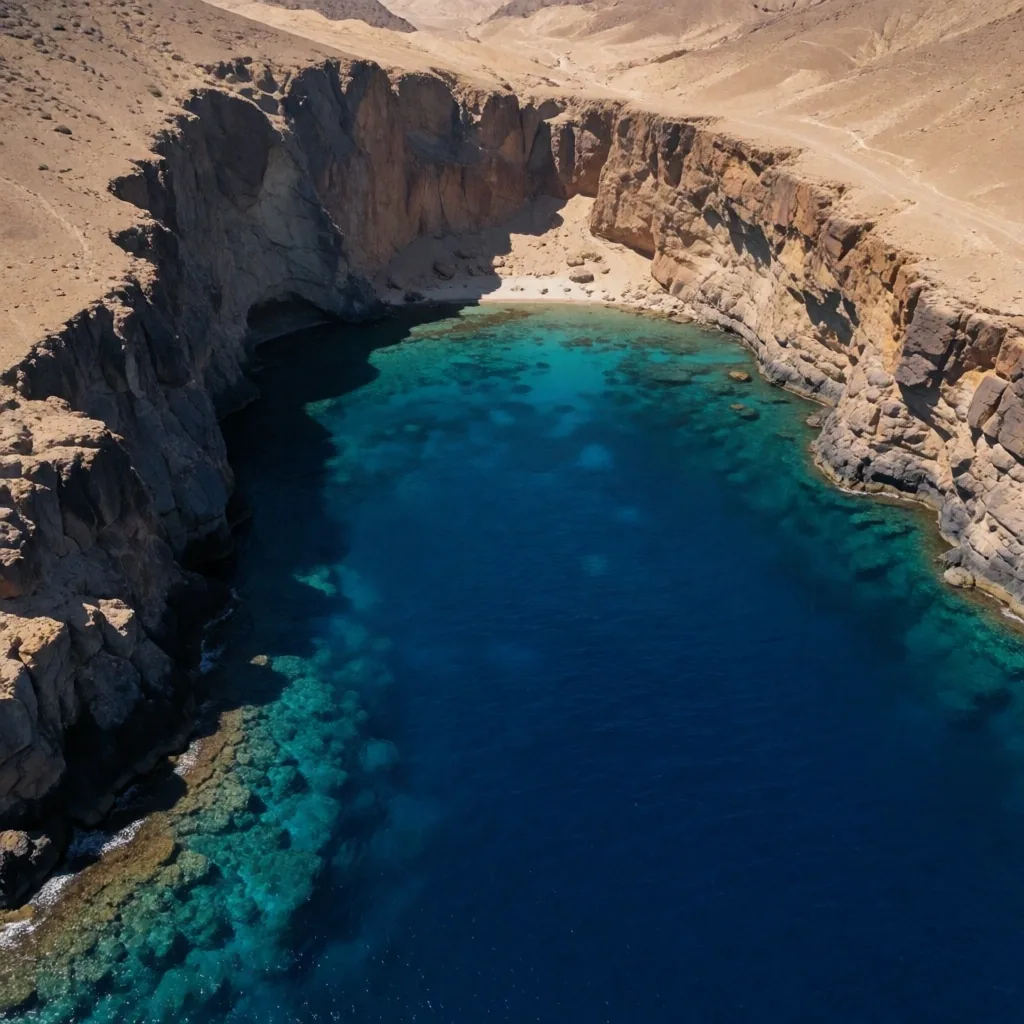
Sinai coast — deep blue bay cradled by rugged mountains where desert meets sea.
The Magic Lake
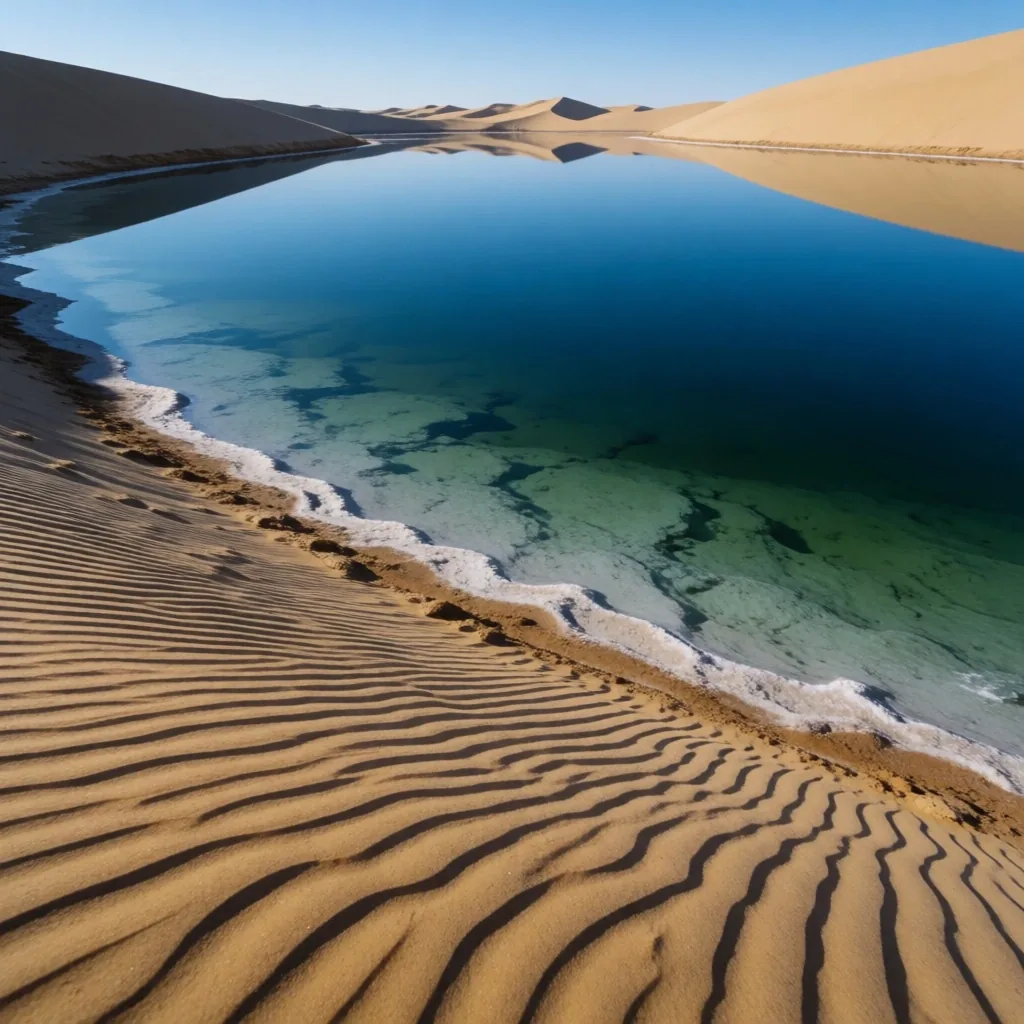
Desert salt lake shifting from turquoise to sapphire as the sun arcs overhead.
The Valley of the Whales
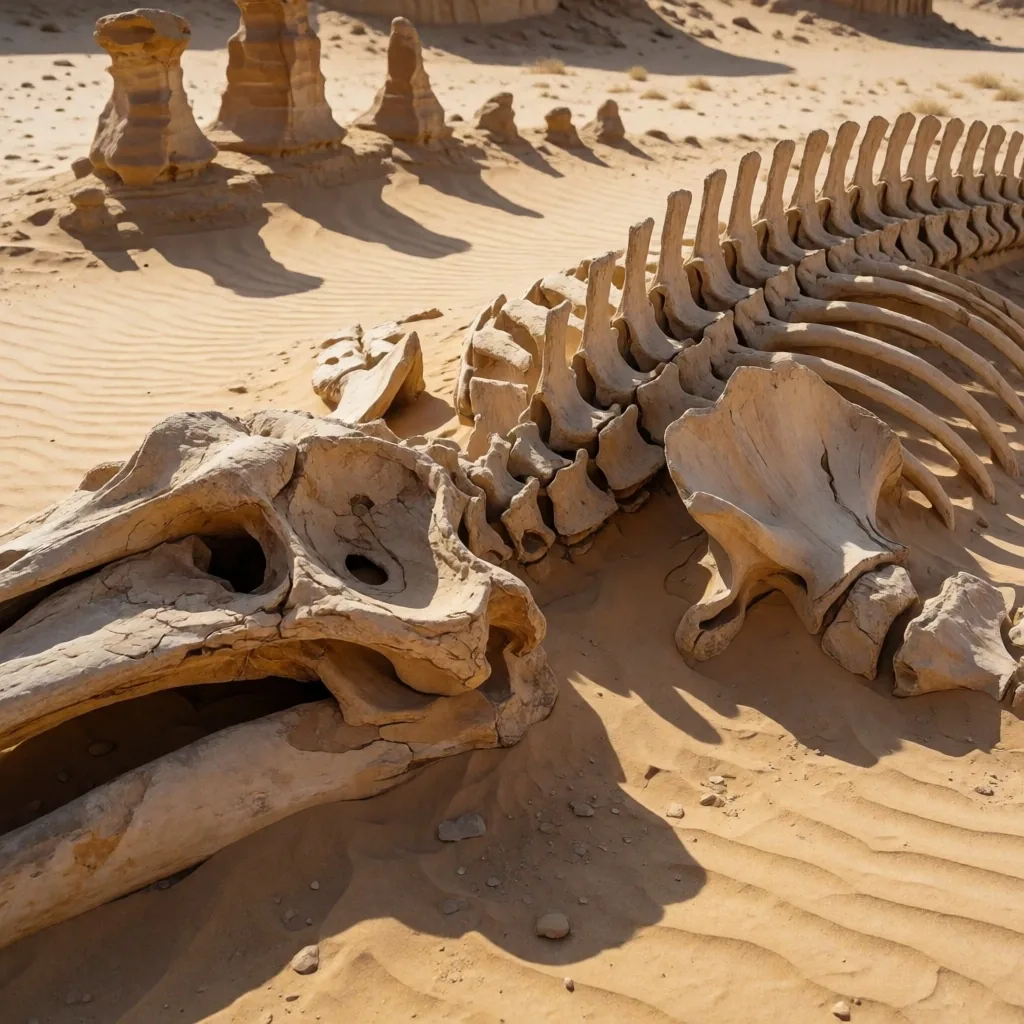
Wind-eroded sandstones holding fossilized remains of ancient whales.
The Scenic Registry
Ten locations ranked by uniqueness of landscape, quality of light, and overall atmospheric experience.
Three criteria guide every entry in this registry.
Uniqueness of landscape
A location earns its place when the land itself is unlike anything nearby. We look for geological formations that exist only in this corner of the country — a canyon whose mineral bands appear nowhere else, a sinkhole carved into a single reef, or a valley of fossils preserved by a sea that vanished long ago. Familiar postcard views do not qualify unless the specific vantage reveals something the ordinary traveller would miss.
Quality of light
Light is the raw material of every scenic spot. We assess how the sun, the season, and the time of day interact with the landscape — whether a canyon glows red at dawn, whether a salt lake mirrors the sky at noon, or whether dunes turn to molten gold at dusk. Locations that reward a specific hour rank higher than those that look the same throughout the day.
Atmospheric experience
Beyond what the eye sees, a scenic spot must feel like a place. We weigh the silence of a remote salt marsh, the wind moving through a narrow canyon, the sound of water rushing between granite boulders. A location that immerses all the senses — not just the camera lens — ranks above one that is merely photogenic from a single angle.
The Fjord of the East
Located on the coast of the Sinai Peninsula, this stunning bay is characterized by deep blue water surrounded by high, rugged mountains. The contrast between the dark stone and the clear sea is striking, especially from the higher viewpoints along the road that winds above the coastline.
It is a perfect spot for photography and for those who want to see the dramatic meeting of the desert and the sea. The mountains drop steeply into the water, creating a natural amphitheater of stone. From the upper road, you can see the full arc of the bay and the way the light moves across the rock face as the afternoon progresses.
The area remains relatively untouched, offering a quiet escape for the nature lover. There are no facilities along the viewpoints themselves, so bring water and arrive early to catch the clearest light before haze builds over the water.
The Magic Lake
Tucked away in the desert near a large oasis, this salt lake is famous for its changing colors throughout the day. Depending on the position of the sun, the water can shift from a pale turquoise to a deep sapphire. Surrounded by high dunes, the lake provides a stunning mirror for the sky and the surrounding sands.
The color shift happens because the water is highly mineralized. As the angle of the sun changes, different mineral deposits catch the light and throw it back in shifting hues. Midday brings the palest blues, while early morning and late afternoon produce the deepest tones.
It is a favorite spot for those looking to experience the tranquility of the desert in a unique water-based setting. The stillness here is absolute — no wind funnels through the dunes the way it does in open sand, so the lake surface often stays glassy for hours.
The Valley of the Whales
This geological site is not only a place of great scientific importance but also one of incredible natural beauty. The wind-eroded sandstones have created a landscape of strange and evocative shapes, among which the fossilized remains of ancient whales are visible. The valley feels like a walk through time, with the golden sands preserving the secrets of a sea that existed millions of years ago.
The fossils belong to early whales that still had hind legs — a record of the transition from land-dwelling mammals to fully aquatic ones. They lie exposed in the rock, visible in the dry streambeds that cut through the valley floor. Walking between the formations, you pass rib cages, vertebrae, and skull fragments emerging from the sandstone at angles that make the scale of these animals immediate.
Our egypt travelling guides highlight this as a must-visit for its unique blend of history and scenery. The best light arrives in the hour after sunrise, when the low sun rakes across the rock and every fossil cast throws a long shadow.
The Agabat Valley
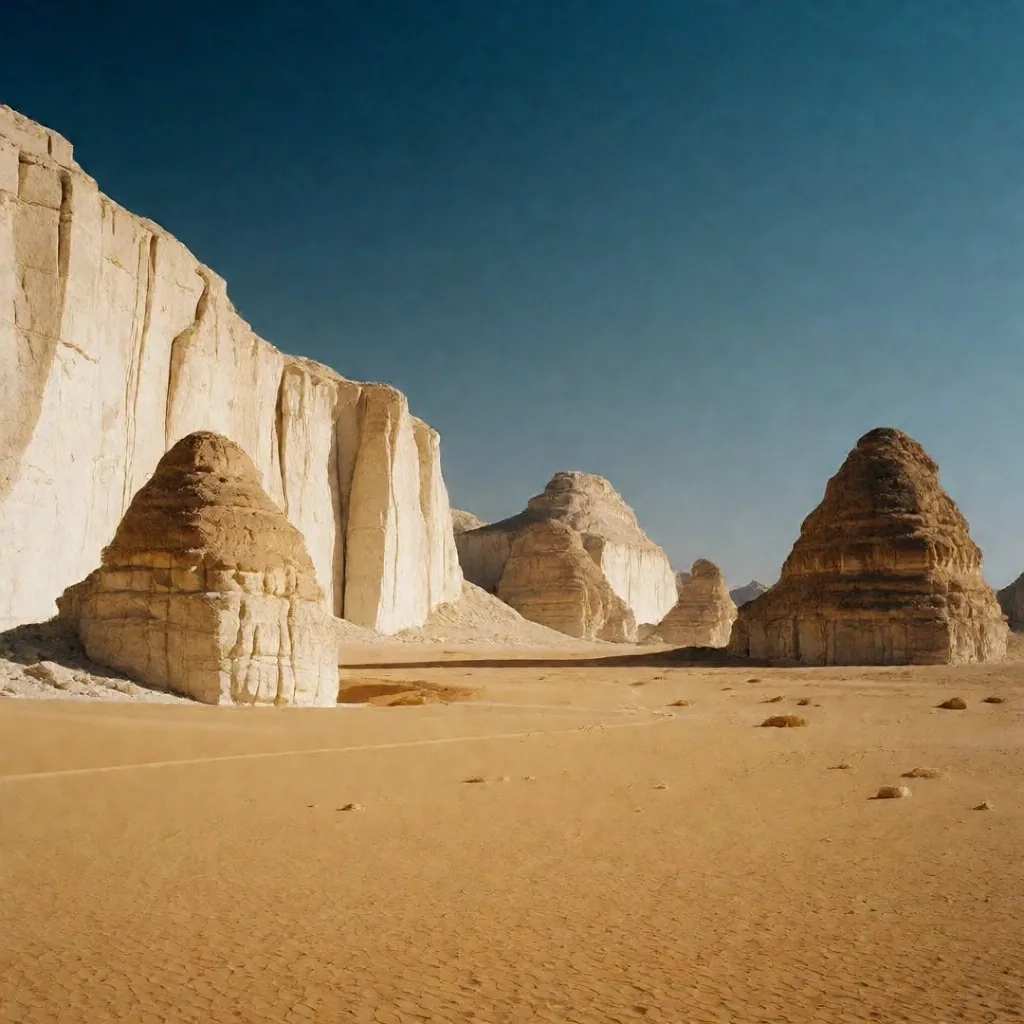
Located within the White Desert, this valley is known for its massive limestone cliffs and sugar-loaf formations. The scale of the towers and the whiteness of the stone against the blue sky create a high-contrast landscape that is a dream for photographers. This is where the desert feels most like another planet.
Walking between these giants gives you a profound sense of the erosive power of the wind and the vastness of the Egyptian interior. The formations are not random — the wind has carved them into consistent shapes, smooth domes and flat-topped towers, as if the stone itself were organized by a hand that understood proportion.
The whiteness of the limestone is brightest at midday, but the formations take on their most sculptural quality in the hour after dawn, when low side-light reveals every contour and the shadows hold a faint blue from the sky above.
The Blue Hole
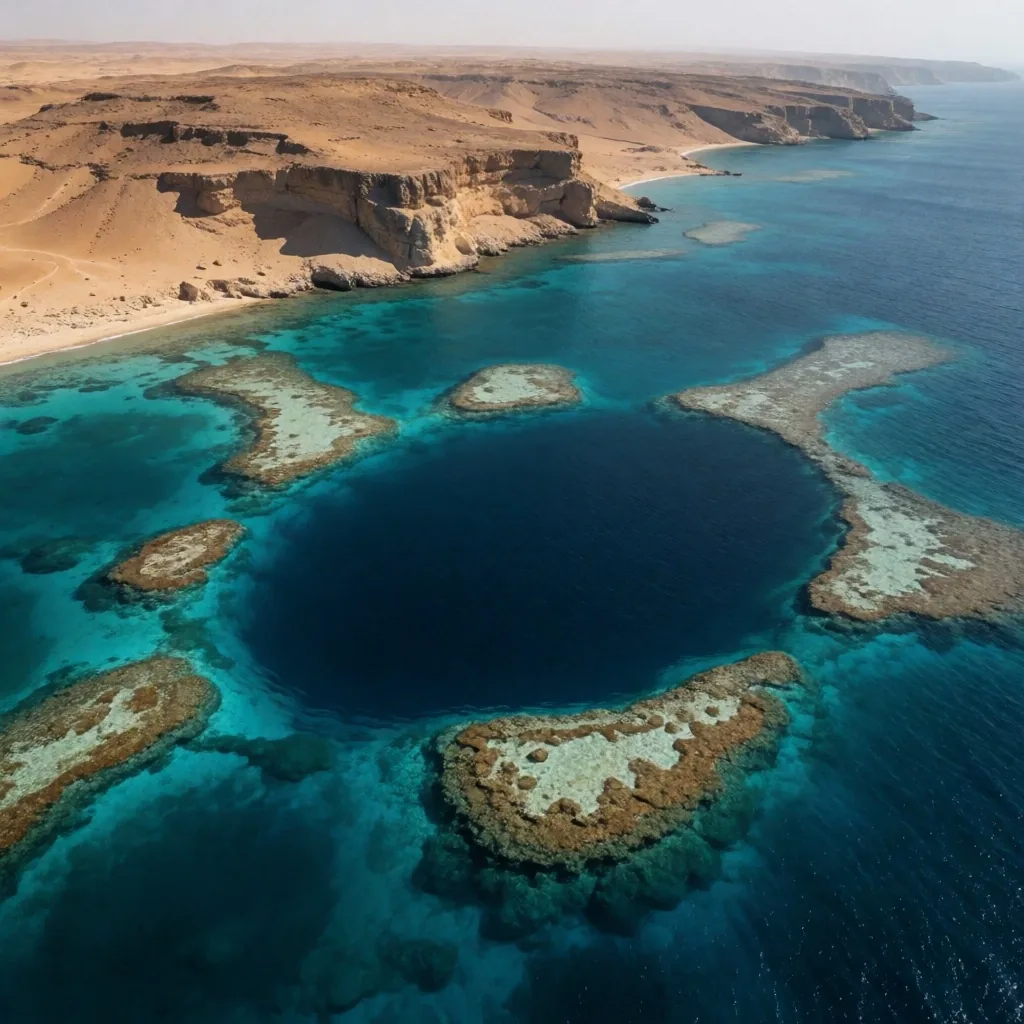
On the eastern coast, this natural sinkhole is one of the most famous marine sites in the region. The deep blue circle of water is surrounded by a shallow reef teeming with life, creating a spectacular visual contrast. While it is popular for underwater exploration, the view from the shore is equally impressive.
The rugged mountains that drop directly into the sea provide a dramatic backdrop for this natural wonder. From the cliff edge, you can see the dark center of the hole where the reef wall drops away, framed by the lighter shallows around it. The contrast is sharpest in the late morning, when the sun is high enough to penetrate the shallow reef but the deep center still reads as a dark, bottomless circle.
Even without entering the water, the site rewards a long visit. Sit on the flat rocks at the edge, watch the reef fish moving in the shallows, and wait for the light to shift. The mountains behind you will change color as the afternoon wears on, going from gray to a deep blue-gray that matches the water below.
The Salt Lakes of the West
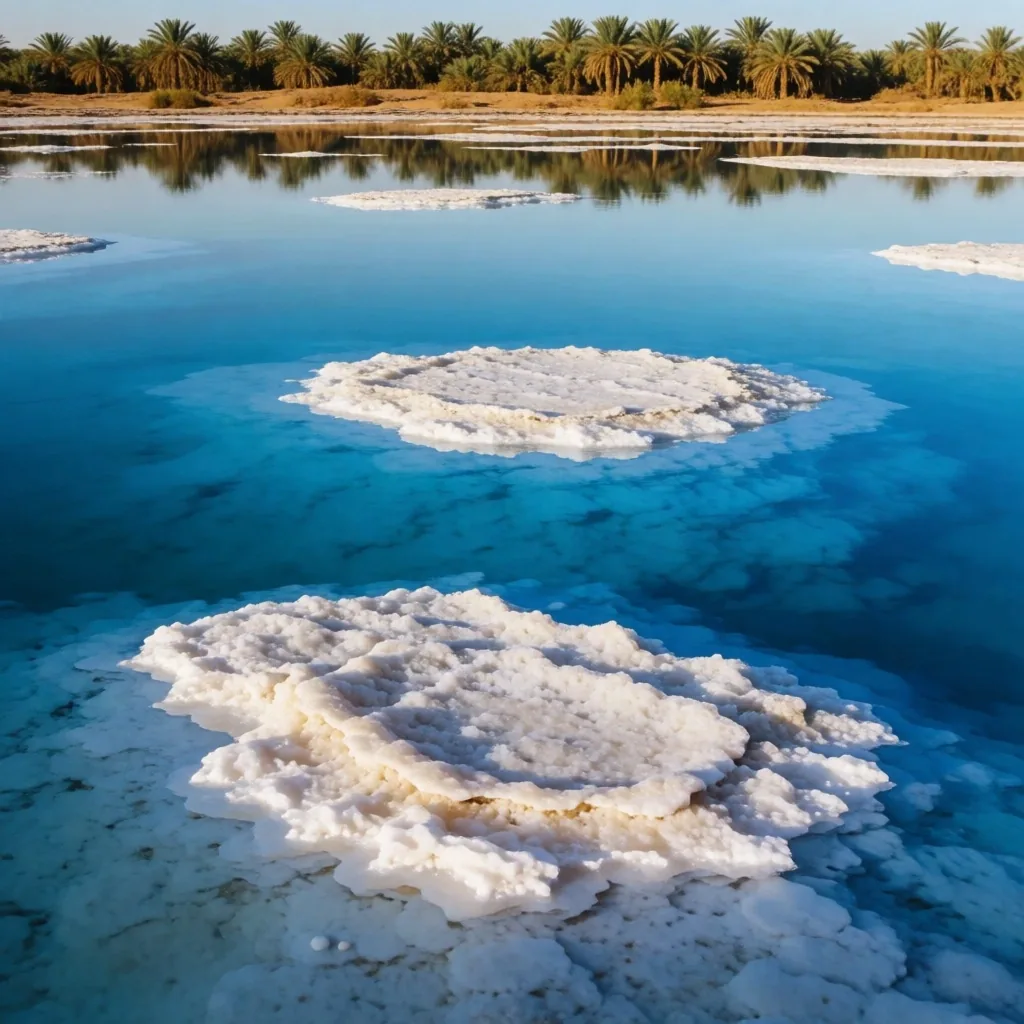
In the remote western oases, large salt lakes provide a stark and beautiful contrast to the surrounding desert greenery. These lakes are often fringed by white salt crusts and host a variety of birdlife. The reflection of the palms and the desert hills in the still, salty water creates a serene and picturesque environment.
These spots are perfect for those who want to experience the cooling presence of water in the heart of the arid wilderness. The salt crusts crunch underfoot as you walk the shoreline, and the mineral smell of the water mixes with the dry heat of the surrounding sand. Birdlife gathers here in numbers you would not expect in the deep desert — herons, stilts, and small waders work the shallows at dawn.
The reflections are most reliable in the early morning, before the wind picks up and ruffles the surface. Arrive before the sun clears the hills and the water will hold the entire sky.
The Colored Canyon
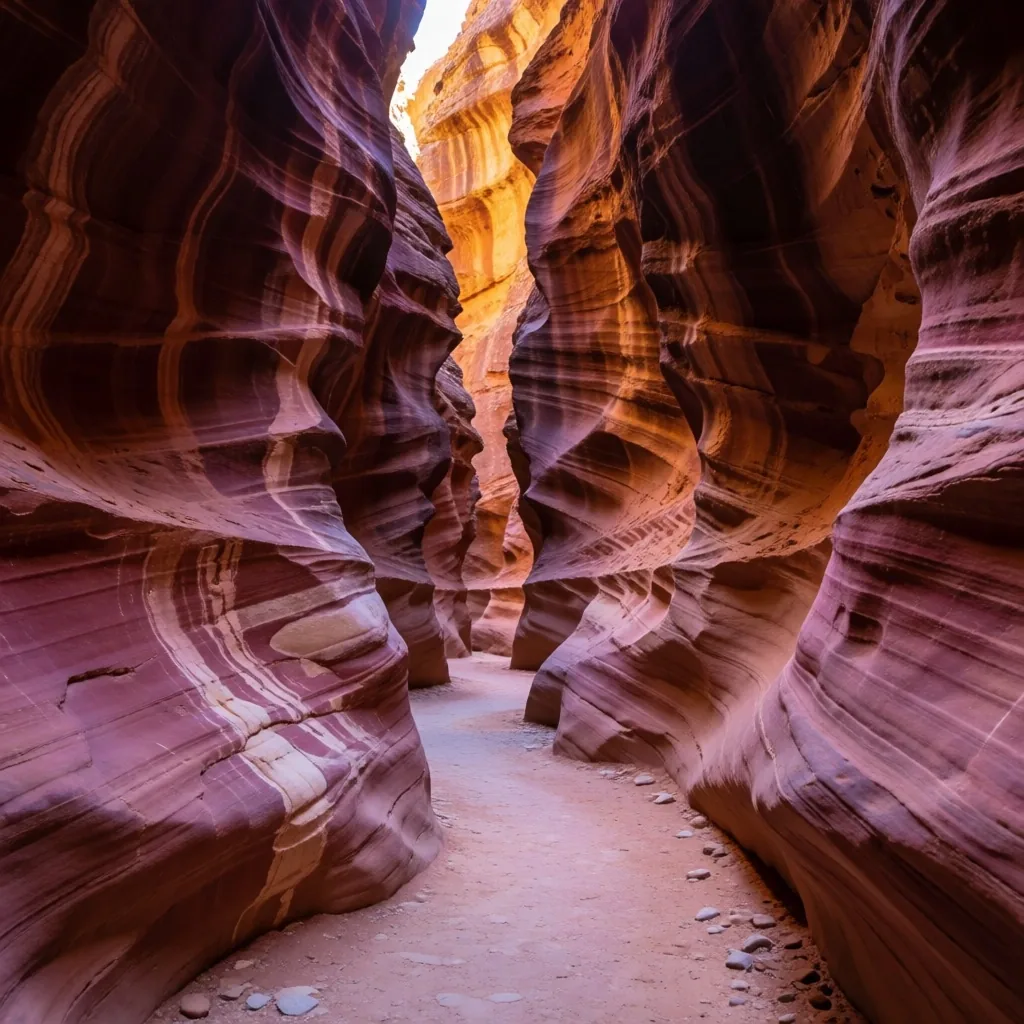
The walls of this narrow canyon in the Sinai are a kaleidoscope of colors, from deep reds and oranges to purples and yellows. These hues are the result of different minerals in the sandstone, revealed by thousands of years of erosion. The path through the canyon is a winding journey through a natural gallery of stone.
Our travel guides suggest visiting during the early morning or late afternoon when the low sun brings out the vibrancy of the colors. At midday, the canyon walls are lit flatly and the mineral bands lose their depth. At dawn, the warm light enters the canyon mouth and catches the red and orange layers, while the purple and yellow bands stay in shadow and read deeper. The contrast lasts about an hour before the light flattens.
The canyon is narrow enough in places that you can touch both walls at once. The stone has been smoothed by water into flowing, organic curves that feel less like rock and more like frozen fabric. Walk slowly — the colors change with every step as the angle of light shifts.
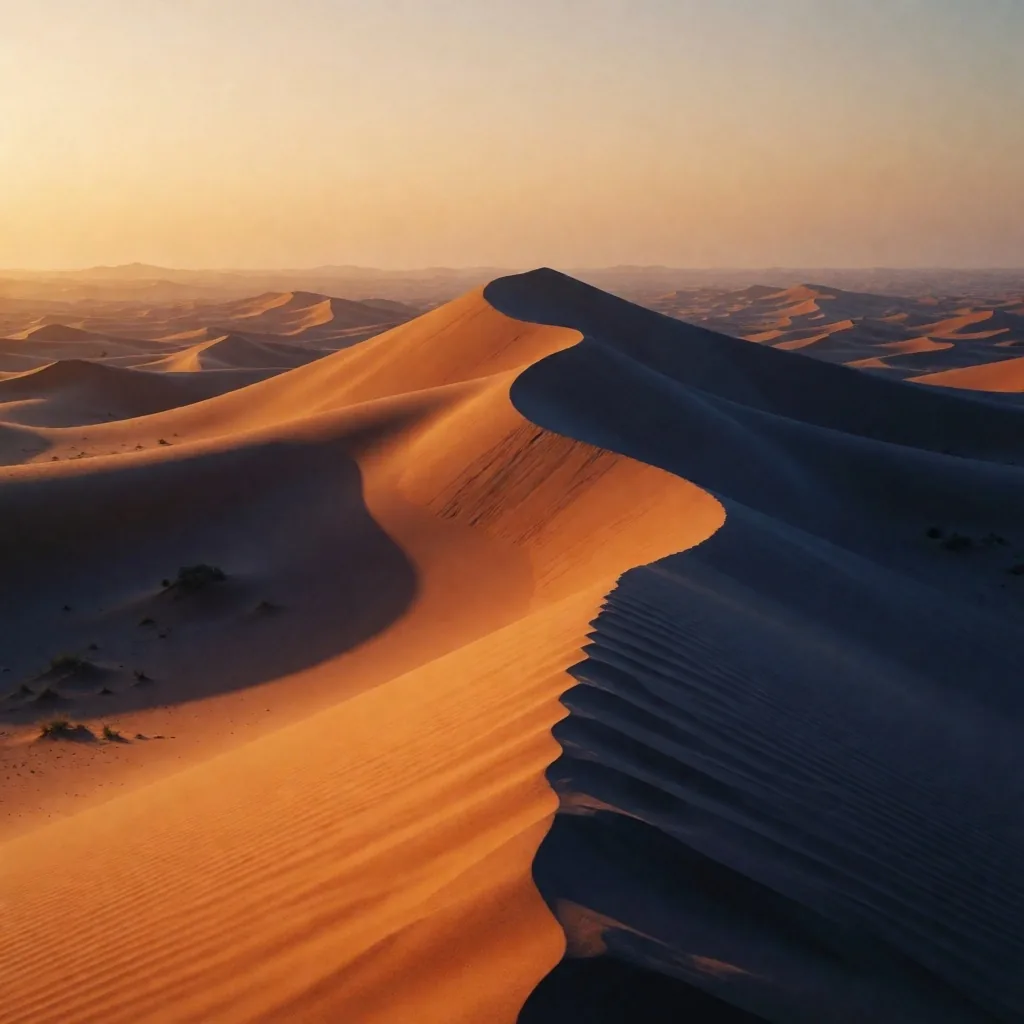
The High Dunes of the Great Sand Sea
There is nothing quite like the sight of the sun setting over the infinite waves of the Great Sand Sea. The golden hour transforms the dunes into a landscape of shifting shadows and glowing peaks. The sheer scale and simplicity of the sand create a sense of awe that is hard to find elsewhere.
This is the quintessence of the desert experience for any traveller into Egypt, offering a view that stretches to the horizon and beyond. The dunes here are among the highest in the region, some rising more than a hundred meters from base to crest. Climbing one in the late afternoon and watching the shadows lengthen across the dune field is an experience that stays with you long after you leave.
The sand turns from pale gold to deep amber to a cool gray-blue as the light fades, and the leeward shadows stretch until they swallow the windward faces entirely. Sit high on a crest and wait for the full sequence — it takes less than an hour, but the color shift is the most dramatic in the country.
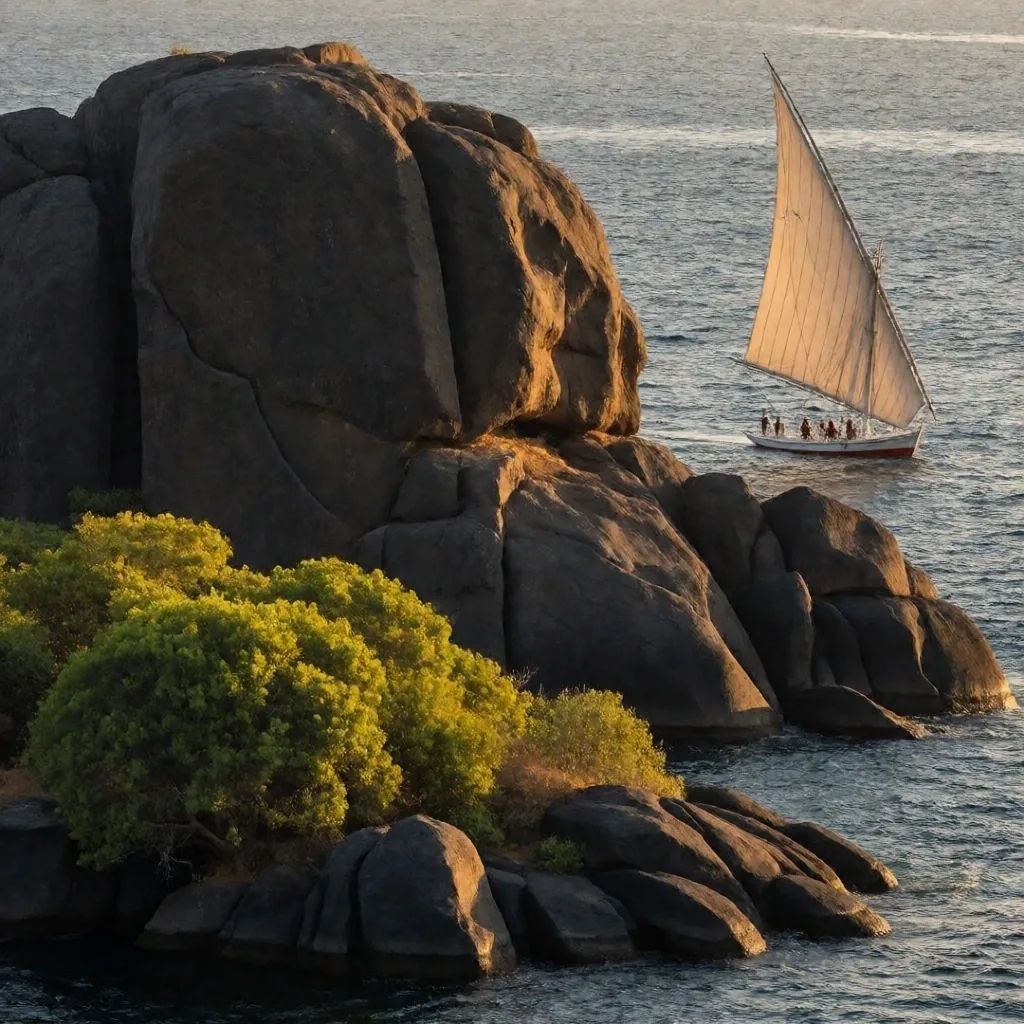
The Granite Islands of the South
In the river near the southern border, the massive granite boulders create a unique and rugged landscape. These islands are often covered in lush vegetation, providing a green contrast to the dark, water-worn stone. The sound of the water rushing between the rocks adds a sensory layer to the visual beauty.
Exploring these islands by small boat allows you to see the intricate relationship between the river and its geological constraints. The boulders are rounded and smooth, their surfaces polished by millennia of current. Some are the size of houses, split by fissures where small trees have taken root. The green of the vegetation hangs from every crack and ledge, softening the hard geometry of the stone.
The boat moves slowly between the islands, and the water is clear enough to see the rock continuing below the surface. The sound of the current is constant — a low rumble that rises and falls as the channel narrows and widens. This is a landscape that rewards patience and quiet attention.
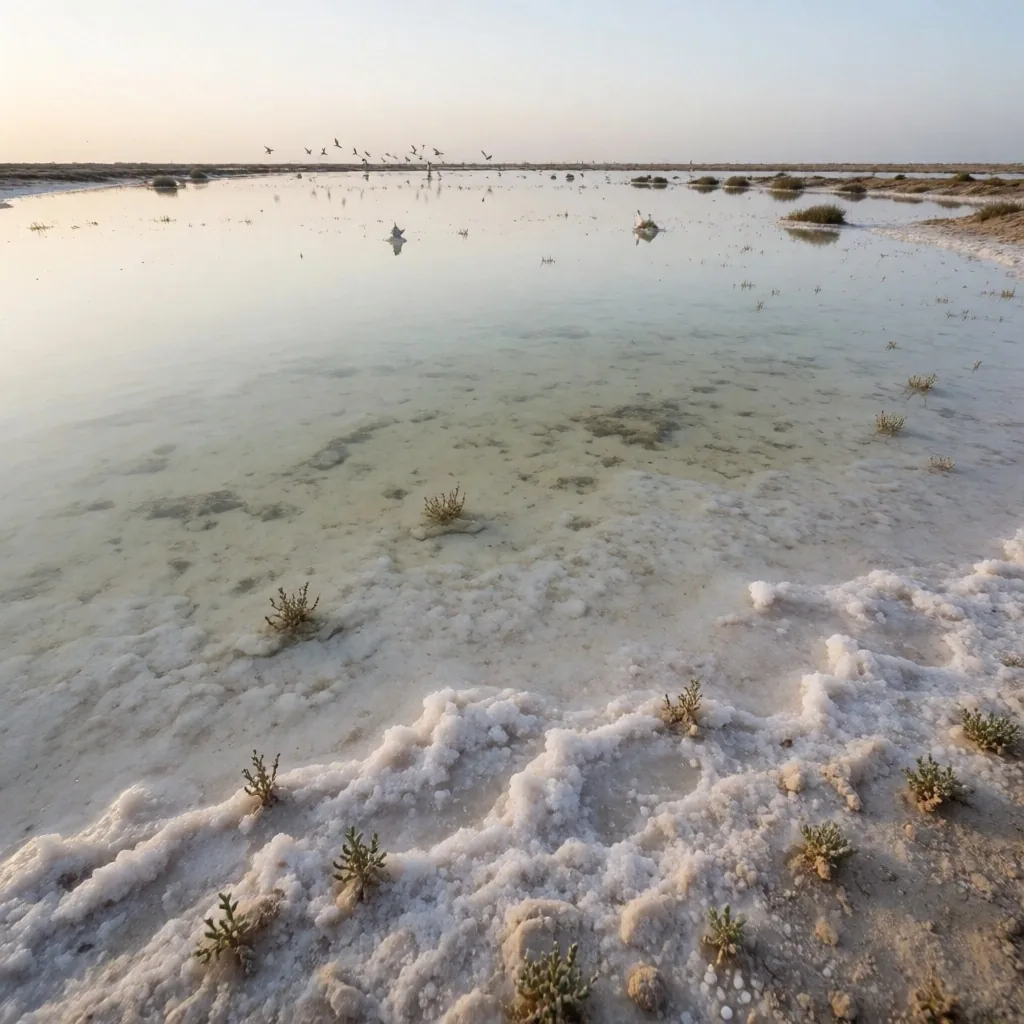
The Mediterranean Salt Marshes
In the far north, the coastal lagoons and salt marshes offer a subtle and delicate beauty. This landscape is characterized by its wide horizons and the pale colors of the water and the sand. It is a critical habitat for wildlife and offers a peaceful alternative to the more dramatic desert and mountain regions.
Our egypt travelling guides recommend these spots for those who appreciate the quiet beauty of a coastal wetland. The marshes draw migratory birds in numbers that shift with the seasons — flamingos in the cooler months, small waders year-round, and raptors that follow the coast south in autumn. The birdlife is the primary draw, but the landscape itself has a quiet pull.
The horizons here are wider than anywhere else in the country. The land is so flat that the sky takes up most of the view, and the marsh becomes a mirror for whatever weather is moving through. Come at dawn for the best light and the most active birdlife, and walk slowly — the beauty is in the accumulation of small details, not in a single dramatic vista.
Photography notes for the scenic traveller
Chase the golden hour
The hour after sunrise and the hour before sunset produce the richest color and the longest shadows. For canyon walls and mineral bands, aim for early morning when side-light reveals every layer. For open dunes and salt lakes, sunset brings the warmest tones and the stillest air. Midday light is flat and harsh — use it only for high-contrast white limestone formations that need direct overhead light to read at full brightness.
Protect your equipment
Fine sand and salt dust are the main hazards. Carry a microfiber cloth and a soft brush, and keep your camera sealed when not shooting. A polarizing filter helps cut glare off water and wet salt crusts, deepening reflections. For canyon interiors where light is low, a lightweight tripod lets you shoot at smaller apertures without losing sharpness. Bring extra batteries — cold desert mornings drain them faster than you expect.
Plan for remote terrain
Several of these locations sit far from paved roads. The Valley of the Whales and the Great Sand Sea require a vehicle with high clearance and ideally a local guide who knows the tracks. Carry water beyond what you think you need, inform someone of your route, and do not rely on a phone signal. The coastal sites — the Fjord, the Blue Hole, the Colored Canyon — are reachable by standard vehicle but still demand a full day.
Questions about visiting these scenic locations
Which of these spots is best for a first-time visitor with limited time?
+
The Fjord of the East and the Blue Hole are both on the Sinai coast and reachable in a single day from coastal towns. If you have two days, add the Colored Canyon — it sits inland from the same coast and pairs naturally with the other two. For a desert-focused trip, the Agabat Valley and the White Desert form a compact circuit that can be done in two to three days with a local guide and vehicle.
Do I need a guide to visit the desert locations?
+
For the Valley of the Whales, the Great Sand Sea, and the western salt lakes, yes — a guide and a suitable vehicle are strongly advised. These areas have no marked roads, no reliable water sources, and no phone signal. A local guide knows the tracks, the safe stopping points, and the best viewpoints. The coastal and river locations can be visited independently if you have your own transport.
What time of year is best for photographing these locations?
+
October through March offers the most comfortable temperatures and the clearest light. Summer heat in the western desert is extreme and makes midday photography impossible. The coast is more forgiving year-round, but the best light arrives in the cooler months when haze is minimal. If you want to catch migratory birds at the northern marshes, plan for late autumn or early spring.
Are these locations suitable for travellers who do not photograph?
+
Absolutely. The rankings are based on the visual and atmospheric experience of the place, not on the technical demands of photography. Every spot on this list rewards the visitor who simply sits and looks. The sound of wind in a canyon, the stillness of a salt lake at dawn, the scale of the dunes at sunset — these are sensory experiences that do not require a camera to appreciate.
How were these ten locations selected?
+
Our travel guides evaluated locations across the country using three criteria: the uniqueness of the landscape, the quality of light at the best viewing time, and the overall atmospheric experience. We excluded any location defined by a building or installation, focusing only on natural formations. The list is a starting point, not a final word — there are dozens of worthy spots that did not make this particular registry.
Plan your scenic route through Egypt
These ten spots are a starting point. For help building an itinerary that connects several of them, or for guidance on terrain, access, and seasonal timing, reach out to our team or browse our planning resources.
Address
Nile City Towers 2005 B, Nile Corniche, Boulaq Num.1, Bulaq, Cairo Governorate 11311, Egypt
Phone
Hours
Monday to Friday, 9:00 to 18:00
Other guides for the scenic traveller
Desert Adventures
Dunes, canyons, and the deep interior for those drawn to the arid landscape.
Coastal Paradises
Bays, reefs, and shoreline landscapes along the Red Sea and Mediterranean.
River Journeys
Locations along the river valley where green meets stone and ancient water.
Essential Planning
Practical advice on terrain, timing, and what to carry for remote locations.