
Cultural Etiquette and Social Norms
Egypt is a land with a deep and complex social fabric, shaped by thousands of years of history and a strong sense of community. For the traveller into Egypt, understanding and respecting local customs is the key to a rewarding and authentic experience. Social interactions here are often guided by traditions of hospitality, modesty, and mutual respect. Our egypt travelling guides aim to bridge the cultural gap, providing you with the insights needed to navigate social situations with grace and confidence.
The Tradition of Hospitality
Accepting tea or coffee is a sign of respect, even if you only stay a few minutes.
Dress Code and Modesty
Clothing that covers the shoulders and knees is generally expected, especially in rural areas.
Social Greetings
Greetings are often more formal and extended than in many Western cultures.
Read before you arrive
Skim these customs before your trip so the basics feel natural by the time you land. The adjustments are small but they shape how locals read your presence.
Independent explorers
Written for visitors moving through villages, markets, and family-run guesthouses rather than insulated resort circuits. The advice assumes you are meeting people on their ground.
Ten core topics
Hospitality, dress, greetings, religious sensitivity, the concept of time, tipping, market negotiation, photography, dining, and local authority. Each gets its own short chapter below.
Two customs that shape first impressions: the offer of tea and the rhythm of a proper greeting. Get these right and most other interactions follow naturally.
The Tradition of Hospitality
Hospitality is a cornerstone of the local culture, and as a visitor, you are likely to be treated with great kindness and generosity. It is common to be offered tea or coffee during a conversation or when visiting a shop or home. Accepting these gestures is a sign of respect, even if you only stay for a few minutes.
The social importance of these small interactions goes beyond politeness. Sitting for tea tells your host that you value the relationship enough to pause your day. Declining repeatedly, even with good reason, can read as distance. If you cannot accept for dietary or health reasons, a warm explanation and a request for water instead is usually met with understanding.
Our travel guides explain how these moments form the basis of local relationships and why rushing through them can close doors that would otherwise open.
Social Greetings and Body Language
Greetings are often more formal and extended than in many Western cultures. It is common to exchange several pleasantries before getting to the point of a conversation. Rushing past the greeting to ask a direct question can feel abrupt to your host.
Handshakes are common between people of the same gender. In more traditional settings, a man may wait for a woman to extend her hand first, and if she does not, a hand to the chest with a slight nod serves as a warm greeting. Learning the basic Arabic phrases for good morning and welcome earns immediate goodwill.
Understanding these nuances helps the traveller into Egypt feel more at ease in social settings and prevents unintended misunderstandings.
Dress Code and Modesty
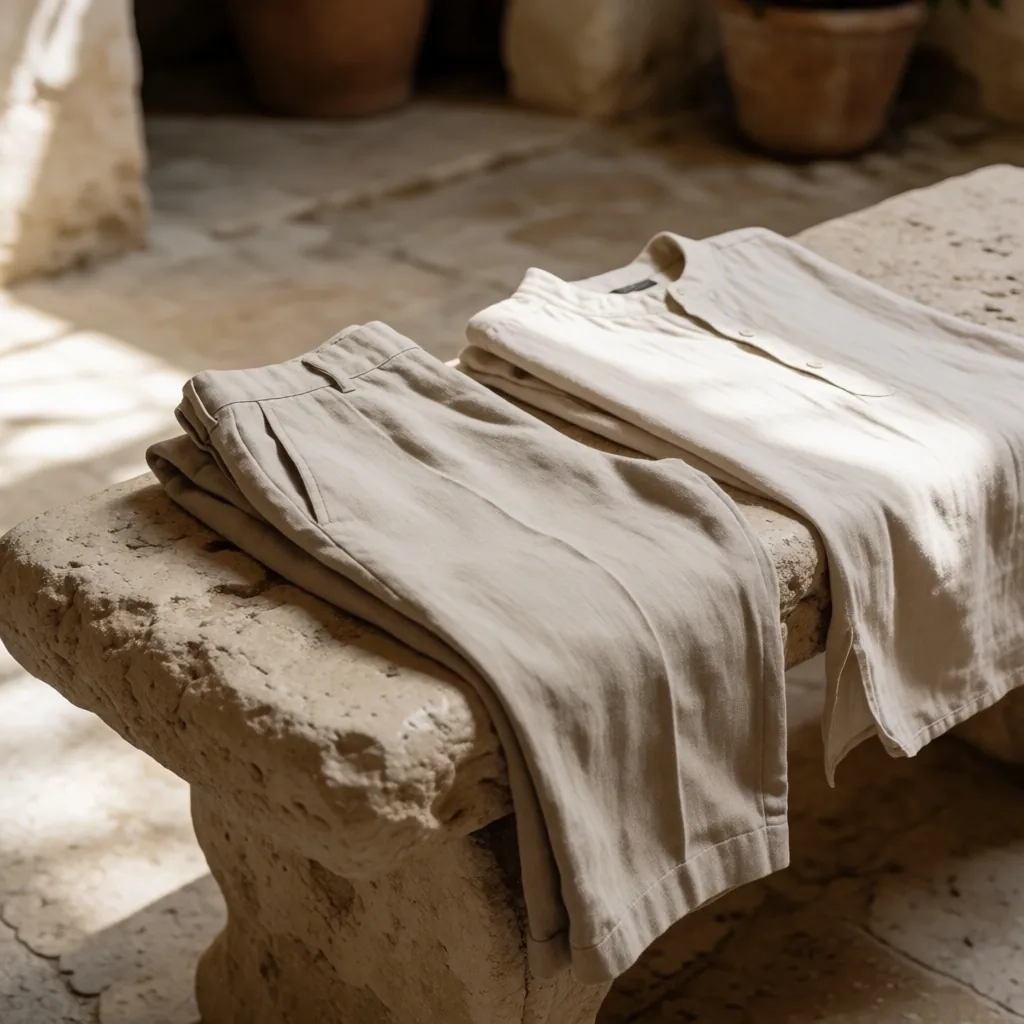
Modesty in dress is important, particularly when visiting rural areas or places of a traditional nature. For both men and women, clothing that covers the shoulders and knees is generally expected. In more conservative communities, more extensive coverage may be appropriate.
Lightweight linen trousers and long-sleeved shirts are practical in the heat and read as respectful almost everywhere. Scarves serve double duty: sun protection during the day and a shoulder cover when entering a place of worship. Avoid tight-fitting athletic wear in traditional neighborhoods, even when the weather is hot.
We provide specific advice on what to wear in different settings to ensure that you are comfortable and respectful of local sensibilities. When in doubt, observe what local people your own age are wearing and stay within that range.
Religious Sensitivity
The majority of the population follows traditional religious practices, and these influence many aspects of daily life. Being aware of prayer times and significant religious periods will help you plan your activities more effectively.
During certain times of the year, such as the month of fasting, the pace of life changes significantly. Shops may open later, restaurants can be quiet during daylight hours, and public energy shifts after sunset. Showing respect for these practices is essential.
Our egypt travelling guides provide the context needed to navigate these periods thoughtfully, so you can plan around the rhythm rather than against it.
The Concept of Time — Insha'Allah
The local perception of time can be more fluid than what many visitors are used to. The phrase "Insha'Allah" — God willing — is frequently used and reflects a cultural understanding that the future is ultimately not within human control.
This can sometimes lead to delays or changes in plans, which should be met with patience rather than frustration. If a guide says tomorrow, it may mean later this week. Confirm times gently and build buffer into your schedule.
Learning to go with the flow is an important part of the travel experience in this region. The plans that bend often turn into the moments worth remembering.
Tipping and Market Negotiation
Small gratuities and friendly bargaining are both expected parts of daily economic life. Knowing the shape of each interaction keeps things smooth.
Small gratuities for services are a common and expected part of the local economy. Known locally as "baksheesh," this practice is seen as a way of sharing wealth and showing appreciation for help received. We provide guidance on when and how much to tip in various situations, from local guides to service staff.
Bargaining is a traditional part of the shopping experience in local markets, or souqs. It is expected to be a friendly and social process rather than a confrontational one. Remember that the goal is a positive interaction for both parties, and often the conversation is just as important as the final outcome.
Privacy and Photography of People
While the landscape is fair game for your camera, photographing people should always be done with their explicit permission. This is especially true in rural areas or for women and children. Some people may prefer not to be photographed for personal or cultural reasons.
A simple gesture toward your camera and a raised eyebrow is usually enough to ask. If the answer is a head shake or a turned shoulder, respect it and move on. Asking first often leads to a longer conversation and a better photograph than a quick grab shot ever would.
Our travel guides emphasize the importance of asking first and respecting the answer, which often leads to more meaningful connections anyway.
Dining Customs
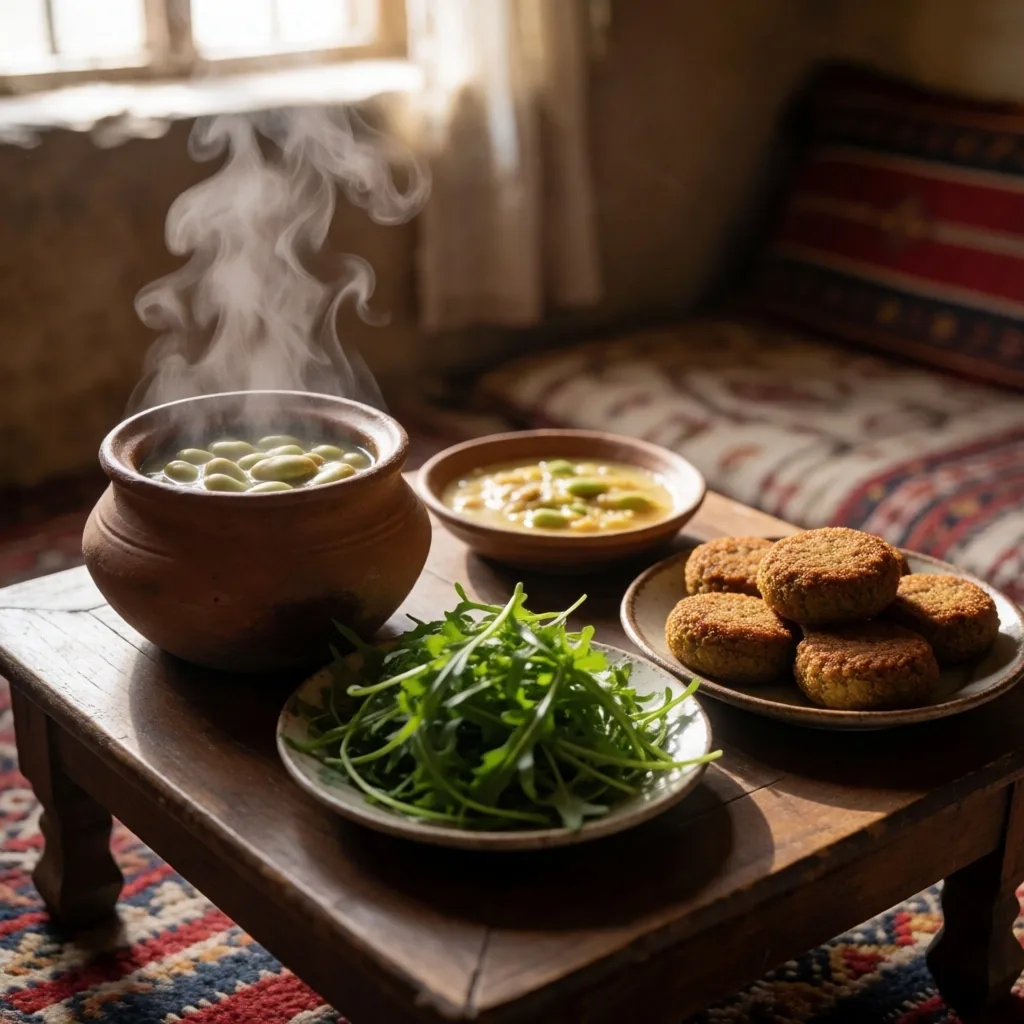
Sharing a meal is a significant social event, and there are specific customs associated with dining. It is traditional to use the right hand for eating. If you are invited to a local home, it is a nice gesture to bring a small gift, such as sweets.
We explain these dining etiquettes so you can enjoy the local cuisine while feeling confident in your social conduct. Accept second helpings when offered; refusing food too quickly can read as distrust of the kitchen.
Respecting Local Authority
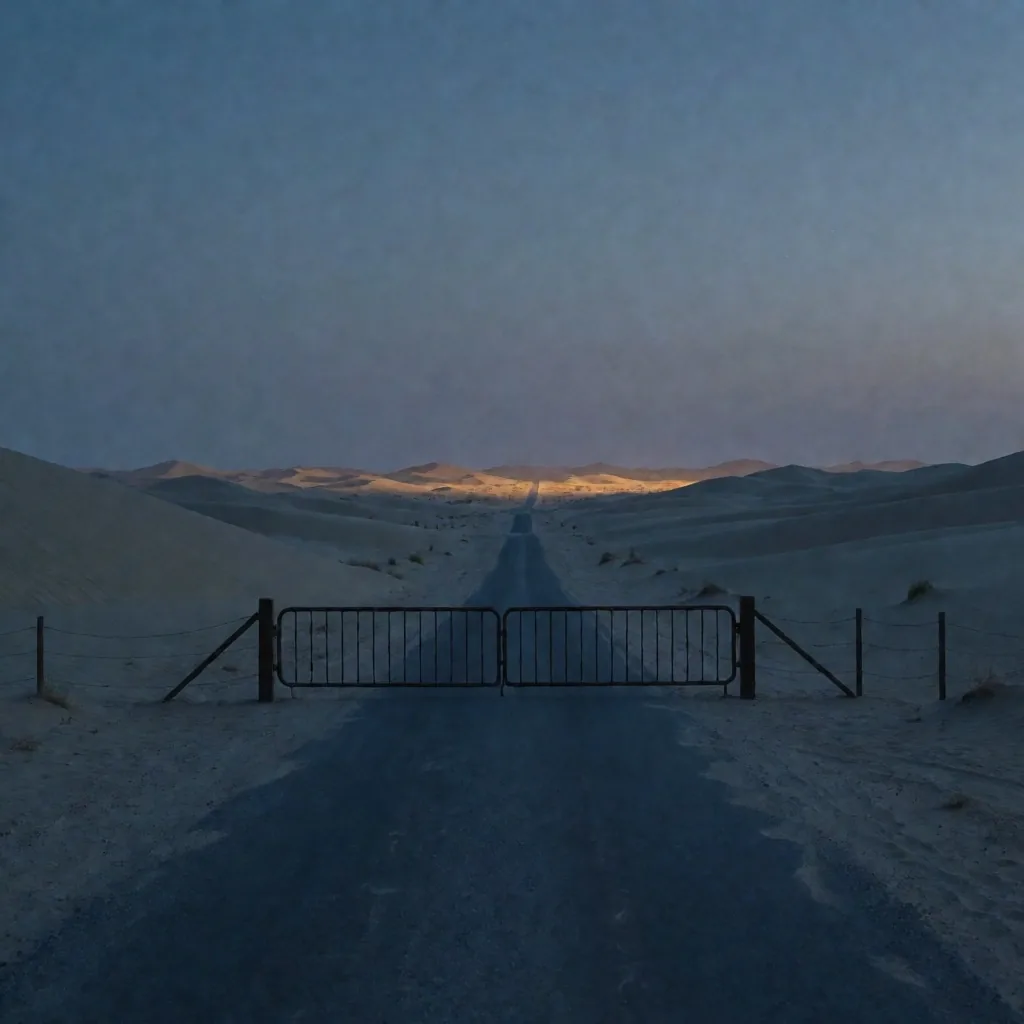
Following local regulations and respecting the instructions of officials is vital for a safe trip. This includes being cooperative at checkpoints and adhering to the rules of national parks and protected areas.
Keep identification with you and answer questions calmly and briefly. Checkpoints on desert roads are routine and usually quick. If an official asks to see documents or indicates a search, comply without argument. Photography of checkpoints, military posts, and bridges is not permitted; put the camera away in these areas.
Our travel guides provide an overview of what to expect from local authorities and how to handle these interactions professionally. Being informed and respectful ensures that your journey remains on track.
Learn Basic Phrases
A handful of Arabic phrases goes a long way. Locals appreciate the effort even when pronunciation is imperfect, and the willingness to try often opens warmer conversations. Practice these before your trip and use them freely. For the traveller into Egypt, even a single word spoken with respect can change the tone of an entire interaction.
Greetings
As-salamu alaykum
Peace be upon you — the standard greeting, used any time of day.
Sabah al-khayr
Good morning — use it until late morning.
Ahlan wa sahlan
Welcome — a warm reply when someone greets you into their space.
Politeness
Shukran
Thank you — the single most useful word on the trip.
Min fadlak
Please — add it to requests to soften the tone.
Afwan
You are welcome — the reply to shukran.
Getting By
Na'am / La
Yes / No — short and clear answers to most questions.
Bikam?
How much — the opening word of any market negotiation.
Insha'Allah
God willing — used when discussing future plans, large or small.
Questions Travellers Ask About Customs
Is it safe to accept food and drinks from strangers?
+
In most everyday settings, yes. Offering tea or coffee is a basic social gesture, not a transaction. Accepting is the polite move. If you have a dietary restriction, say so plainly and ask for water instead. Use your judgment in remote or very informal settings the way you would anywhere.
What should I wear when visiting a place of worship?
+
Cover shoulders and knees at minimum. Women may be asked to cover their hair with a scarf, which is often provided at the entrance. Remove shoes if requested. Avoid shorts and sleeveless tops. Dark, loose clothing works in almost every setting and keeps you cool.
How much should I tip, and how often?
+
Small amounts, frequently. Keep low-denomination notes on hand. Round up at restaurants, give a small per-bag token to porters, and tip local guides at the end of a tour. There is no fixed percentage; the gesture matters more than the exact figure.
Can I take photographs of people in markets and villages?
+
Always ask first. A simple gesture toward your camera and a questioning look is enough. Some people will say yes, others will decline. Respect a no without pressing. Children and women in rural areas are especially sensitive; default to asking and accepting the answer.
How do I handle delays when plans keep shifting?
+
Build buffer time into your schedule. Confirm plans gently the day before. When a guide or driver says soon or tomorrow, treat it as a soft estimate. Patience reads as respect, and the plans that bend often turn into the stories worth bringing home.
Continue Your Preparation
Etiquette is one part of a well-planned trip. These companion guides cover the practical side of moving through Egypt with confidence.
Planning Tips
What to pack, when to go, and how to build a flexible itinerary that leaves room for the unexpected.
Safety Resources
Practical guidance on road travel, desert routes, checkpoints, and staying well on the move.
Ask a Specific Question
Reach our team in Cairo for help with a custom situation or a route that needs local knowledge.
Office
Nile City Towers 2005 B, Nile Corniche, Boulaq Num.1, Bulaq, Cairo Governorate 11311, Egypt
Phone
+20224619494