Safety and Health Advice for Travellers
Ensuring your well-being while exploring the diverse landscapes of Egypt is our top priority. The combination of intense sun, arid environments, and remote locations requires a proactive approach to safety.
Heat Management
Avoid direct sun between 12:00 PM and 4:00 PM. Wear high-SPF sunscreen, a wide-brimmed hat, and loose protective clothing.
Water Strategy
Carry at least 3–4 liters per person for a full day. Use electrolyte salts. Never rely on finding water in the open desert.
Navigation Protocol
Travel with a reputable guide and a reliable vehicle. Inform someone of your itinerary and expected return time before departure.
The combination of intense sun, arid environments, and remote locations requires a proactive approach to safety. By following the advice in our egypt travelling guides, you can minimize the risks associated with desert and coastal exploration. We provide practical information on everything from staying hydrated to navigating local regulations, so you can focus on the beauty of your journey with peace of mind.
Core Health Protocols
Section ASun Protection and Heat Management
The sun in this region is extremely powerful, and heat-related illnesses can occur quickly if you are not careful. We recommend wearing high-SPF sunscreen, a wide-brimmed hat, and loose-fitting, protective clothing.
It is essential to avoid direct sun exposure during the hottest part of the day, typically between 12:00 PM and 4:00 PM. Our travel guides emphasize the importance of seeking shade and taking regular breaks when exploring outdoors.
Hydration Strategies
Dehydration is a constant risk in the desert, and it is vital to drink more water than you think you need. We suggest carrying at least 3–4 liters of water per person for a full day of activity, and more if you are in a remote area.
Electrolyte replacement drinks or salts can also be helpful in maintaining your body's balance. Always ensure that your water source is safe and sealed, and never rely on finding water in the open desert.
Navigating Remote Areas
When heading into the interior, it is crucial to travel with a reputable guide and a reliable vehicle. The desert is easy to get lost in, and the terrain can be challenging even for experienced drivers.
We recommend informing someone of your itinerary and expected return time before you set out. Carrying a physical map and a compass, in addition to GPS, is a wise precaution for the traveller into Egypt.

Food and Water Safety
To avoid digestive issues, we recommend drinking only bottled or purified water and avoiding ice in your drinks. Stick to food that has been freshly cooked and served hot, and be cautious with raw fruits and vegetables unless you can peel them yourself.
Most travellers find that by following these simple rules, they can enjoy the local cuisine without any problems. Our egypt travelling guides provide further tips on choosing safe dining options.
Wildlife Precautions
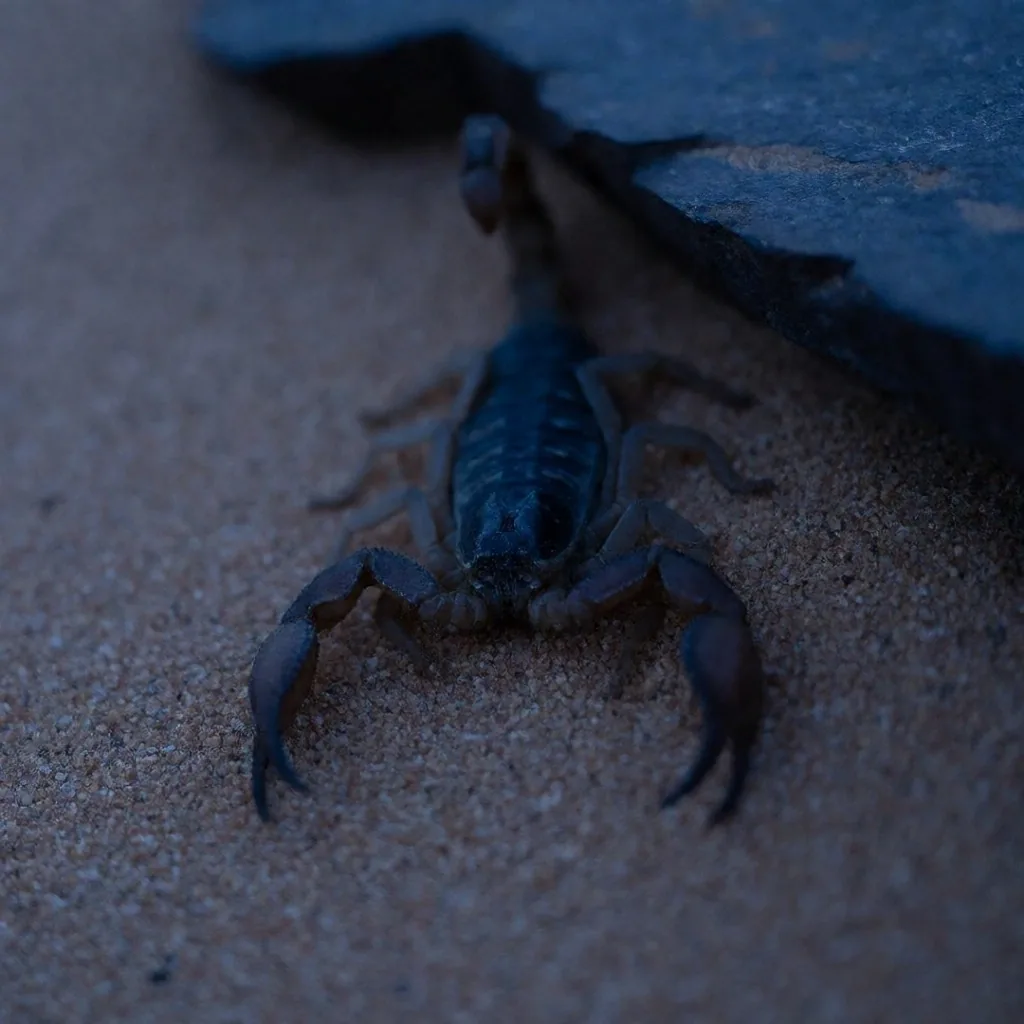
While most desert animals are shy and avoid humans, it is important to be aware of your surroundings. Avoid reaching into crevices or under rocks where scorpions or snakes might be resting.
In coastal areas, be mindful of marine life like sea urchins and certain types of fish when swimming or diving. Our travel guides provide basic first-aid advice for common stings or bites, though professional medical help should always be sought.
Emergency and Local Regulations
Section DKnowing who to call in an emergency is essential. We provide a list of local emergency numbers, including the tourist police and medical services. It is also a good idea to have the contact information for your embassy or consulate readily available.
Many major cities have international-standard medical facilities, but in remote areas, services may be more limited. We suggest having comprehensive travel insurance that includes medical evacuation.
For direct assistance, contact us at [email protected] or call +20224619494.
Adhering to local laws is a key part of staying safe. This includes carrying your identification at all times and being mindful of photography restrictions in certain areas.
We also advise on the importance of respecting local customs to avoid any social misunderstandings that could lead to conflict. Being a respectful and law-abiding traveller into Egypt is the best way to ensure a trouble-free experience.
Physical Fitness and Preparation
Exploring canyons, dunes, and mountains requires a certain level of physical fitness. Be honest with yourself about your capabilities and don't overextend yourself, especially in the heat.
We recommend gradual acclimatization to the climate if you are coming from a much cooler region. Preparing your body for the physical demands of your trip will make the experience much more enjoyable and reduce the risk of injury.
Start with shorter walks in the early morning hours, increase intensity over several days, and always carry more water than you think you will need. If you feel dizzy, nauseous, or unusually fatigued, stop immediately, find shade, and hydrate.
Before You Set Out
- Check weather and heat forecast for your route
- Pack 3–4 liters of water per person minimum
- Share your itinerary and return time with someone
- Carry a physical map and compass alongside GPS
- Wear sunscreen, hat, and loose protective clothing
Common Questions
Section FIs it safe to travel alone in the desert?
We strongly advise against solo travel in remote desert areas. The terrain is complex and the climate is harsh. Always travel with a professional guide or as part of a group to ensure your safety and to navigate the logistics of the interior.
What should I do if I get lost?
If you are in a vehicle, stay with it; it is much easier to spot from the air or the road than a person on foot. If you are on foot, try to find shade and signal for help using a mirror or a bright object.
Stay calm and conserve your energy. Panic increases water loss and clouds judgment. Wait for rescue during daylight; moving at night risks further disorientation.
Have a specific question about safety on your route? Reach out before your trip and we will help you prepare.
Contact Us →