
Sustainable Travel: Preserving the Natural Environment
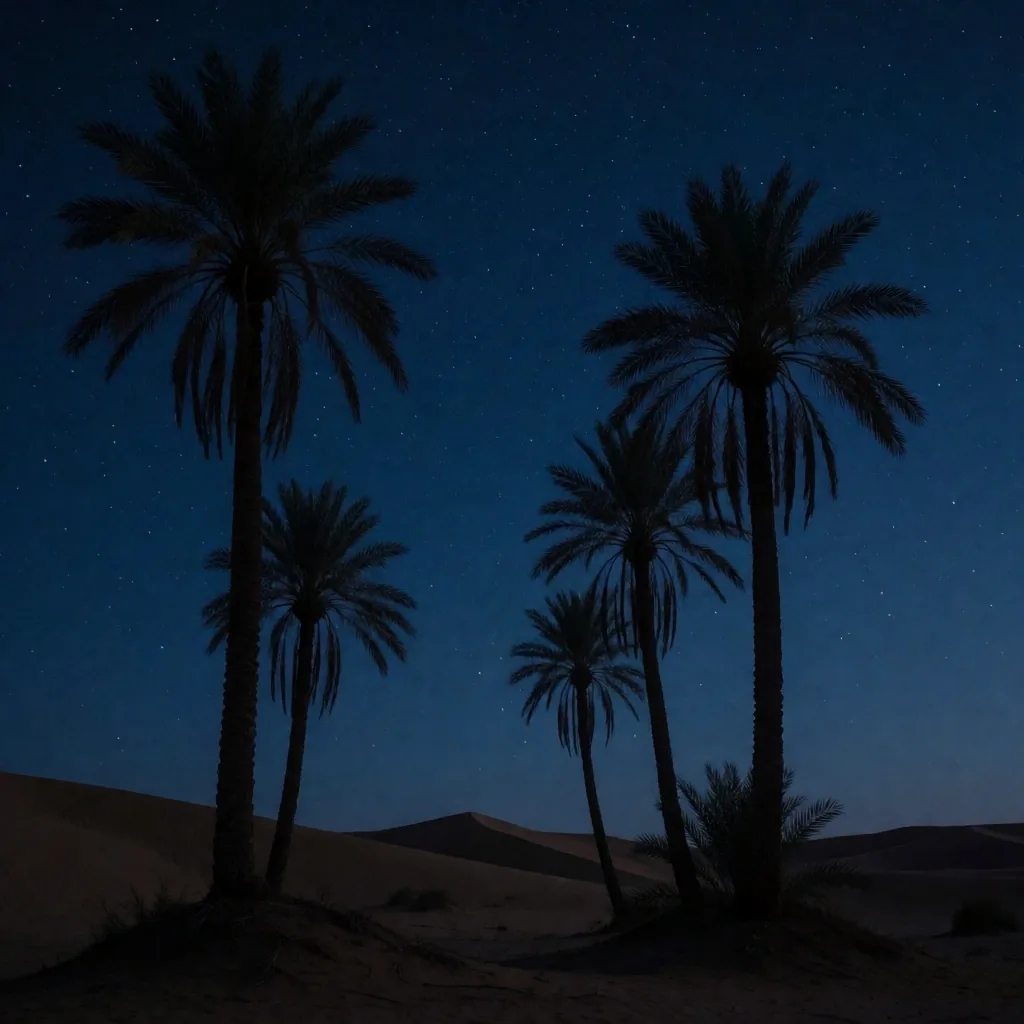
The beauty of Egypt's natural landscapes is a resource that must be protected. As more explorers arrive, the impact on fragile places like the white desert and the Red Sea reefs grows. Our egypt travelling guides offer practical advice on how to be a responsible traveller into Egypt, so your visit helps preserve these environments rather than wear them down.
Leave No Trace
Carry out everything you carry in. Pack a dedicated trash bag and pick up litter you find along the way.
Protect Marine Life
Use reef-safe sunscreen. Never touch or stand on coral. Observe marine life from a respectful distance.
Conserve Water
Many oases rely on ancient aquifers that refill slowly. Take shorter showers and reuse towels.
Fragile ecosystems under pressure
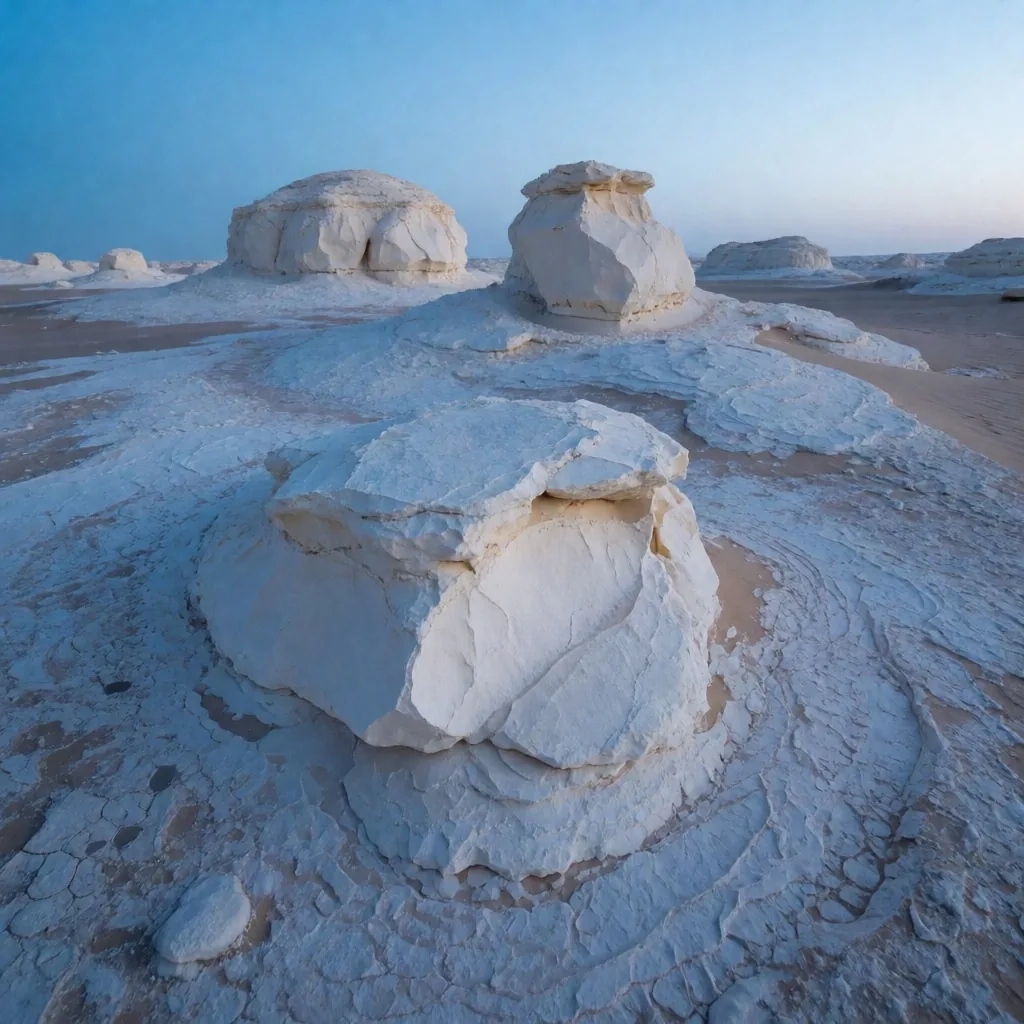
The white desert's chalk formations erode under foot traffic. Red Sea coral breaks under a single careless touch. Desert crusts, held together by microscopic organisms, take decades to recover from a single off-path vehicle track.
Practical guidance, not guilt
Our travel guides focus on the mechanical reality of how choices affect the land. We explain why reef-safe sunscreen matters, which water sources are most strained, and where to camp without leaving a trace. Small decisions add up when thousands of visitors pass through the same landscapes each year.
Ten areas where choices matter
This guide covers waste, water, marine protection, local businesses, wildlife, carbon, cultural respect, camping, education, and long-term conservation. Each section explains what helps and what harms, so you can make informed decisions as a traveller into Egypt.
Leave No Trace Principles
The core of eco-tourism is carrying out everything you carry in, from food wrappers to water bottles. In the desert, waste decomposes very slowly. Even organic waste like fruit peels can disrupt the local ecosystem by attracting wildlife to areas where they do not normally feed.
We encourage every visitor to pack a dedicated trash bag and to pick up any litter found along the way. This is not about perfection. It is about building a culture where the desert stays as clean as you found it, or cleaner.
What to pack: One sealable trash bag per person, a small trowel for burying human waste at least 15cm deep and 50m from any water source, and reusable containers instead of single-use plastic.
Water Conservation in Arid Zones
Water is the most valuable commodity in the desert. Many oases rely on ancient underground aquifers that are not easily replenished. When these sources are drained faster than rainfall refills them, both local communities and the ecosystems that depend on them suffer.
Being mindful of your water consumption helps ensure that local communities and ecosystems have the resources they need to thrive. The choices are simple: shorter showers, reused towels, turning off taps while brushing teeth, and reporting leaks to your lodging.
- Take showers under five minutes in desert lodging
- Reuse towels and bed linens instead of requesting daily changes
- Carry a reusable water bottle and refill from large containers
- Choose lodging that sources water responsibly and discloses usage
Protecting Marine Ecosystems
The coral reefs of the Red Sea are incredibly sensitive to human touch and pollution. A single kick with a fin can break coral that took decades to grow. Sunscreens containing oxybenzone and similar chemicals cause coral bleaching even in tiny concentrations.
We advocate for the use of reef-safe sunscreens that do not contain harmful chemicals. It is also vital to avoid touching or standing on coral, as this can cause permanent damage. Our egypt travelling guides provide information on how to observe marine life responsibly.
- Use mineral-based sunscreen with zinc oxide or titanium dioxide
- Maintain buoyancy control and keep fins away from coral heads
- Never feed fish or other marine animals
- Use established entry points rather than wading across reef flats
Supporting Local and Sustainable Businesses
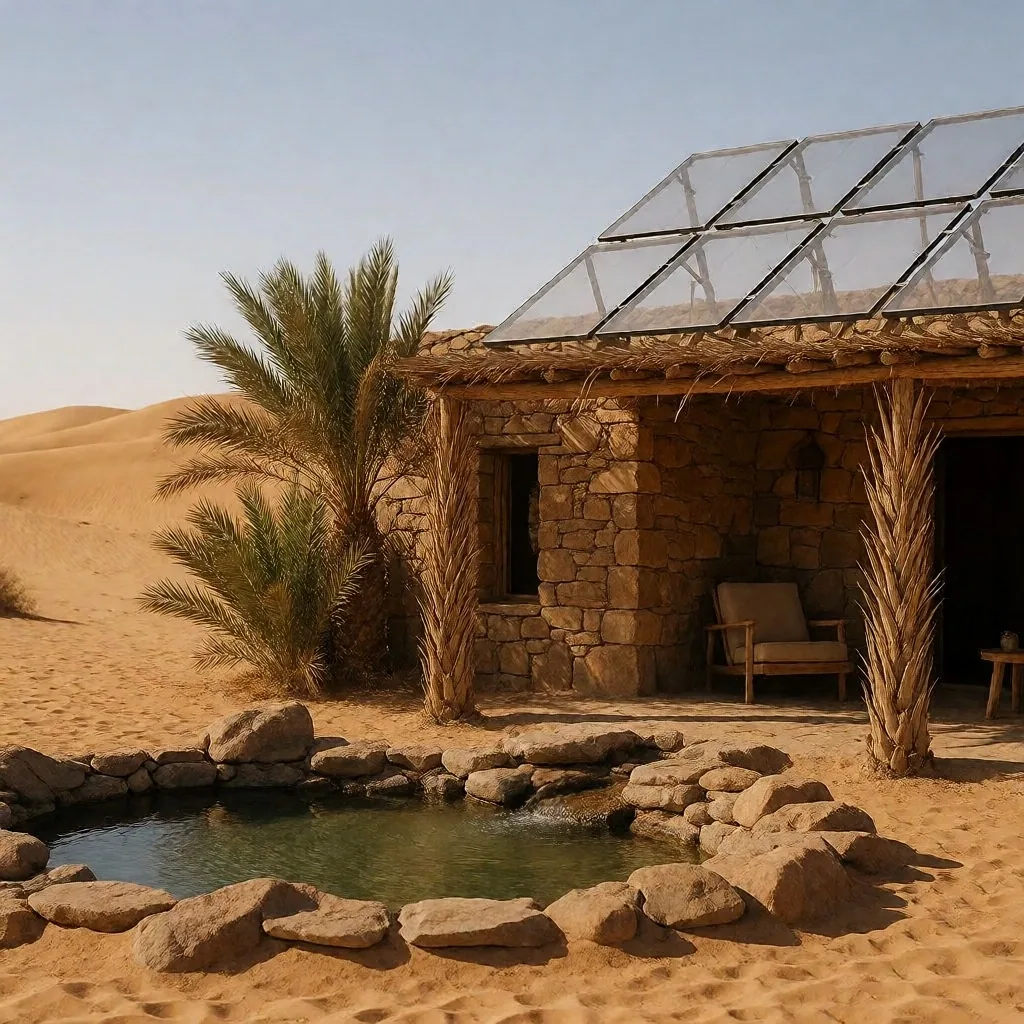
Where you spend your money shapes what survives. Eco-lodges that use renewable energy and practice waste reduction give travelers a way to vote for conservation with every night they stay. When local artisans and guides earn a living from travelers who care about the environment, protecting natural sites becomes a financial incentive, not just a moral one.
Our travel guides highlight businesses that align with these sustainable values. We look for places that source food locally, manage their own waste, employ community members, and are transparent about their environmental practices.
Respecting Wildlife and Natural Habitats
Interactions with wildlife should always be kept at a distance to avoid causing stress to the animals. Feeding wild animals disrupts their natural behaviors and makes them dependent on humans, which can lead to aggression and population imbalances over time.
We also emphasize the importance of staying on marked paths to prevent soil erosion and the destruction of desert crusts. These fragile crusts are essential for preventing dust storms and supporting plant life. Being a silent observer is the best way to appreciate the local fauna without leaving a mark on their world.
Desert crust: The dark, bumpy surface you see on undisturbed desert ground is a living community of cyanobacteria, lichens, and mosses. It holds sand in place, absorbs moisture, and fixes nitrogen for plants. One footstep can destroy decades of growth.

Minimizing Carbon Footprint
Travel inherently involves carbon emissions, but there are ways to mitigate your impact. Consider using public transport like trains for long distances between Cairo and southern Egypt, or sharing vehicles for desert expeditions rather than booking private ones.
Choosing direct flights and staying longer in one location also helps reduce the overall environmental cost of your journey. Moving less and staying longer lets you experience a place deeply while burning less fuel. Our egypt travelling guides provide tips on how to plan an efficient itinerary that maximizes your experience while minimizing your footprint.
Take the sleeper train between Cairo and the southern valleys instead of flying or driving.
Share a 4x4 with other travelers rather than booking a private vehicle for two.
Base yourself in one town for a week and explore locally instead of moving every two days.
Culture and Education as Conservation
Heritage is part of the ecosystem
Sustainable travel also involves respecting and preserving the cultural heritage of the regions you visit. This means engaging with local communities in a way that is mutually beneficial and respectful.
By learning about local traditions and supporting cultural initiatives, you help keep these practices alive. A healthy environment and a vibrant culture go hand in hand. When communities see travelers valuing their traditions, they have more reason to maintain them.
Share what you learn
One of the most powerful tools for conservation is education. By sharing what you learn about the local environment and the challenges it faces, you can inspire others to travel responsibly.
We encourage our readers to become advocates for the protection of Egyptian landscapes. Our egypt travelling guides provide the facts and stories you need to talk about why these places matter and how we can save them.
Talk to people, not about them
Ask permission before photographing people or their homes. Buy crafts directly from the people who made them. Learn a few words of the local dialect. Listen more than you speak.
When you go home, talk about what you saw and why it mattered. Share the names of guides who treated the land well. These conversations shape how the next traveler into Egypt will approach the same places.
Responsible Desert Camping
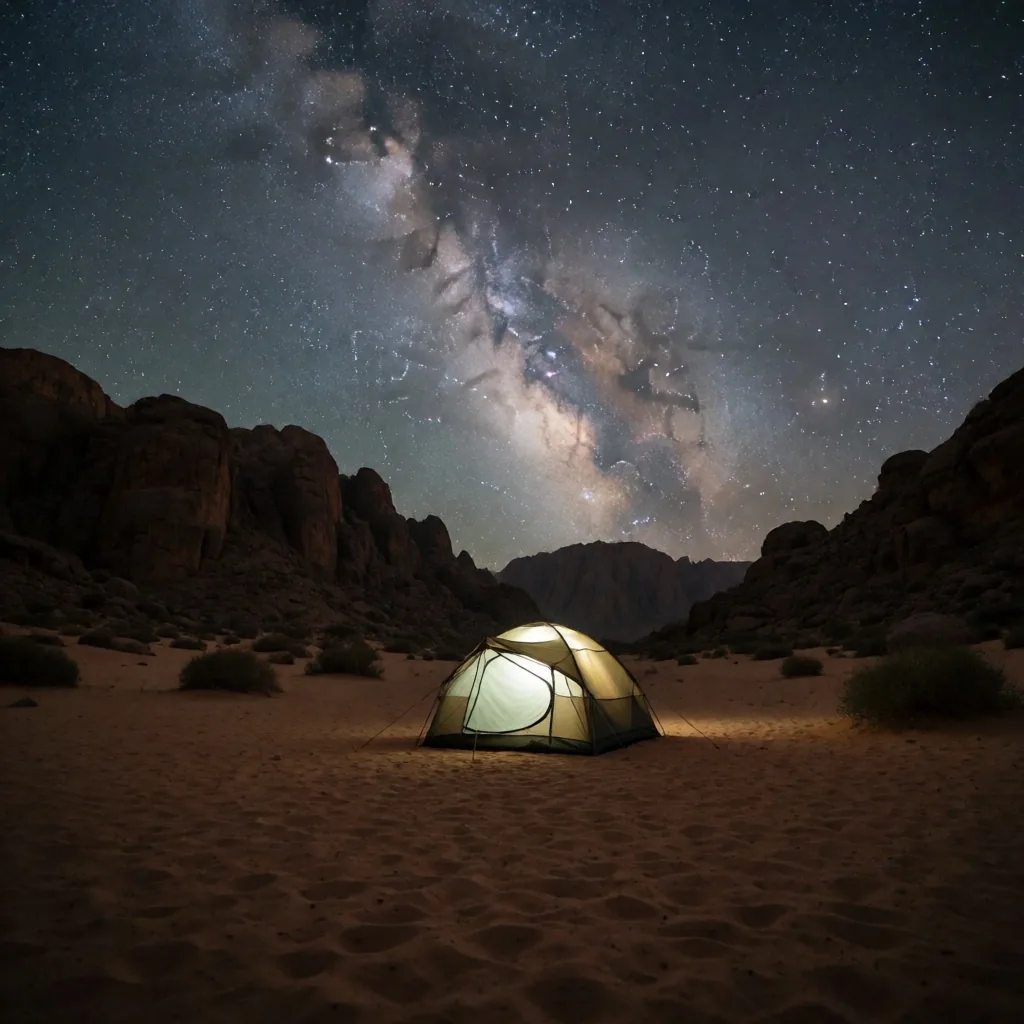
Camping under the stars is a highlight of desert exploration, but it must be done with care. Where you set up camp matters. Choose existing clearings or durable surfaces like rock slabs rather than flattening vegetation or disturbing pristine sand.
How you manage fire matters even more. Use only fuel you bring in, never local wood. Dead wood in the desert is part of the ecosystem, providing habitat and returning nutrients to the soil. Ensuring that your campsite is completely restored to its natural state before you leave is the hallmark of a responsible traveller into Egypt.
Camp on durable surfaces
Use existing campsites, rock, gravel, or sand. Avoid cryptobiotic crust and vegetation.
Use a camping stove, not a fire pit
Bring a gas or liquid-fuel stove. Never burn local wood. If you must have a fire, use a fire pan and pack out all ash.
Restore the site before leaving
Fill in holes, scatter rocks to their natural pattern, remove all trash, and brush out footprints and tent marks.
Keep wildlife out of your food
Store all food and scented items in sealed containers. Never leave food out overnight.
Long-Term Conservation Goals
We believe that tourism can be a force for good when managed correctly. We support local and international organizations working on conservation projects throughout the region, from reef restoration to desert reforestation. These efforts take years and require steady funding and attention.
Our travel guides provide information on how you can get involved or contribute to these efforts. Not every contribution has to be financial. Volunteering time, sharing knowledge, and making thoughtful choices during your trip all count. Together, we can ensure that the natural wonders of this land remain a source of inspiration for centuries to come.
The desert you walk through, the reef you swim over, and the oasis you rest beside are not static postcards. They are living systems responding to every action. The goal is not to lock people out, but to help each visitor leave the place a little better than they found it.
Get involved
If you want to go beyond traveling responsibly, here are ways to contribute to conservation work in the region.
-
Support reef restoration
Some coastal organizations run coral nursery programs. Ask your dive center if they participate.
-
Join a desert cleanup
Community groups organize litter collection trips in popular desert areas. Contact us to find one near your route.
-
Hire conservation-minded guides
Choose guides who follow leave-no-trace practices and can explain the ecology of the areas you visit.
-
Talk about what you saw
Share your experience with friends and on platforms you use. Real stories from real travelers carry more weight than marketing.