
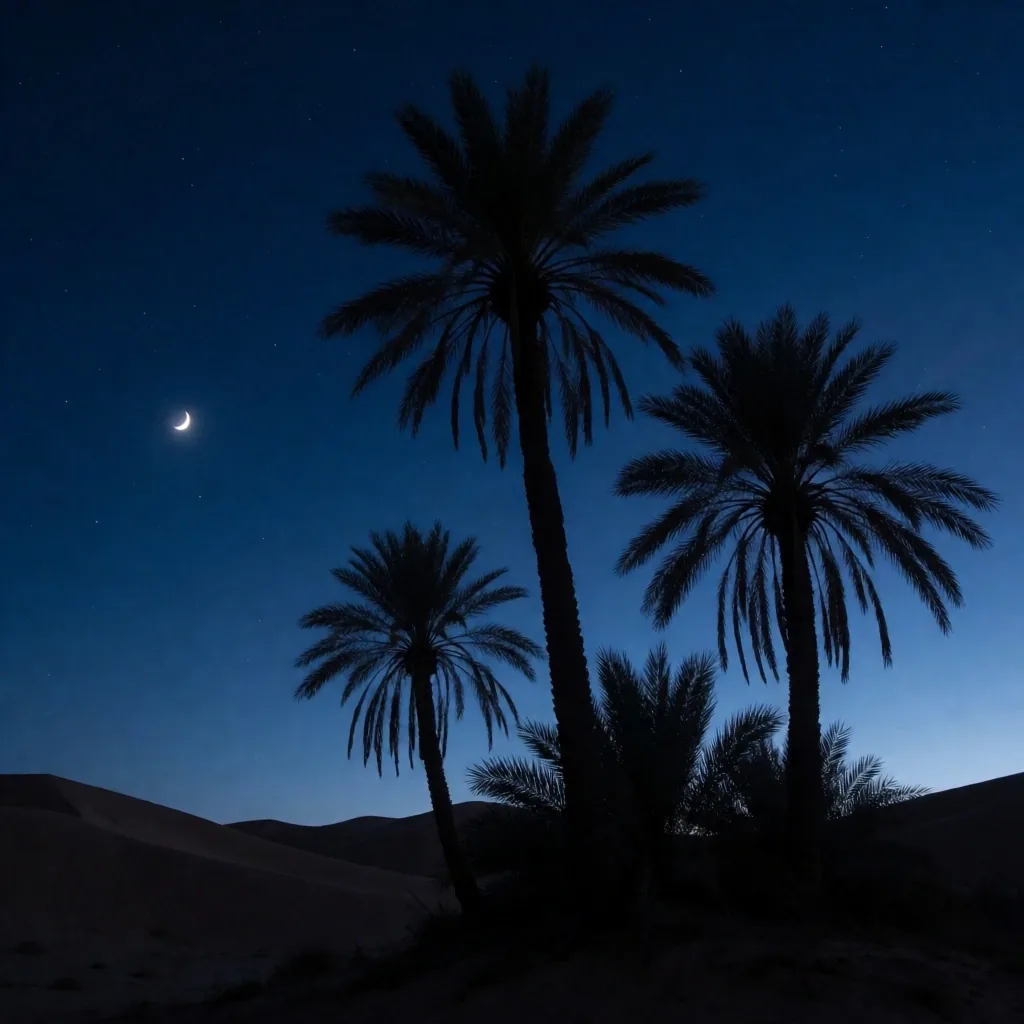
Seasonal Timing & Climate
October to April offers the most reliable weather. Summer heat in the deep south pushes past forty degrees.
Essential Planning for Your Egyptian Adventure
The climate, geography, and local infrastructure demand careful consideration. Whether this is your first journey or a return visit, these egypt travelling guides cover what to pack, when to go, and how to move between regions.
Packing for the Desert
Natural-fibre layers, strong sun protection, and footwear built for sand. Cold nights follow hot days.
Preparing for the North African Desert
Preparing for a trip to the North African desert requires more than just booking a flight and packing a suitcase. The climate, geography, and local infrastructure demand careful consideration to ensure a smooth and enjoyable experience. Whether you are a first-time traveller into Egypt or a seasoned explorer, our planning tips are designed to help you navigate the logistics of the region.
From understanding the best months to visit to knowing what to pack for a desert expedition, our egypt travelling guides provide the practical wisdom you need. Below you will find ten areas of preparation, each with concrete advice on timing, gear, health, transport, connectivity, budgeting, photography, paperwork, language, and environmental responsibility.
Seasonal Timing and Climate
The most critical factor in planning your trip is the weather. The summer months (June through August) can be intensely hot, particularly in the southern regions and deep desert, with daytime temperatures often exceeding forty degrees Celsius.
We recommend visiting during the cooler months, from October to April, when daytime temperatures are pleasant for exploration and the nights carry a clean desert chill. Within this window, the shoulder months — October, November, March, and April — offer the most comfortable balance of warm days and cool evenings.
Coastal areas along the Red Sea and the Mediterranean remain milder than the interior, and southern sites like the oases and the deep south can still be ten to fifteen degrees warmer than the capital at any time of year. Plan your daily activities around the early morning and late afternoon, reserving midday for shade, food, and rest.
Packing for the Desert
Clothing should be lightweight, breathable, and made of natural fibres like cotton or linen. It is also important to pack layers, as desert temperatures can drop significantly once the sun goes down — a fifteen-degree swing between afternoon and midnight is common in the winter months.
A wide-brimmed hat, high-quality sunglasses with full UV protection, and a strong sunscreen are non-negotiable for protection against the intense sun. Closed-toe walking shoes with good grip matter more than fashion on uneven terrain; pack a pair of light sandals for rest hours.
A cotton or silk scarf serves as sun shade, dust filter, and shoulder covering when visiting communities. Pack a small first-aid kit, a reusable water bottle, and a headlamp for early-morning starts before dawn light.
Health and Hydration
Staying hydrated is the biggest health challenge when traveling in an arid climate. You should drink water steadily throughout the day, even if you do not feel thirsty — by the time thirst registers, you are already behind on fluids.
Carry oral rehydration salts, especially if you plan on physical activity or long walks in the sun. Avoid tap water for drinking; sealed bottled water is widely available, and many travellers bring a filtration bottle as a backup for remote stretches.
Wash hands frequently and eat at busy, well-trafficked food stalls where turnover keeps ingredients fresh. Pack any personal medications in their original packaging and bring a copy of prescriptions, as some medicines available elsewhere are restricted here.
Transportation Logistics
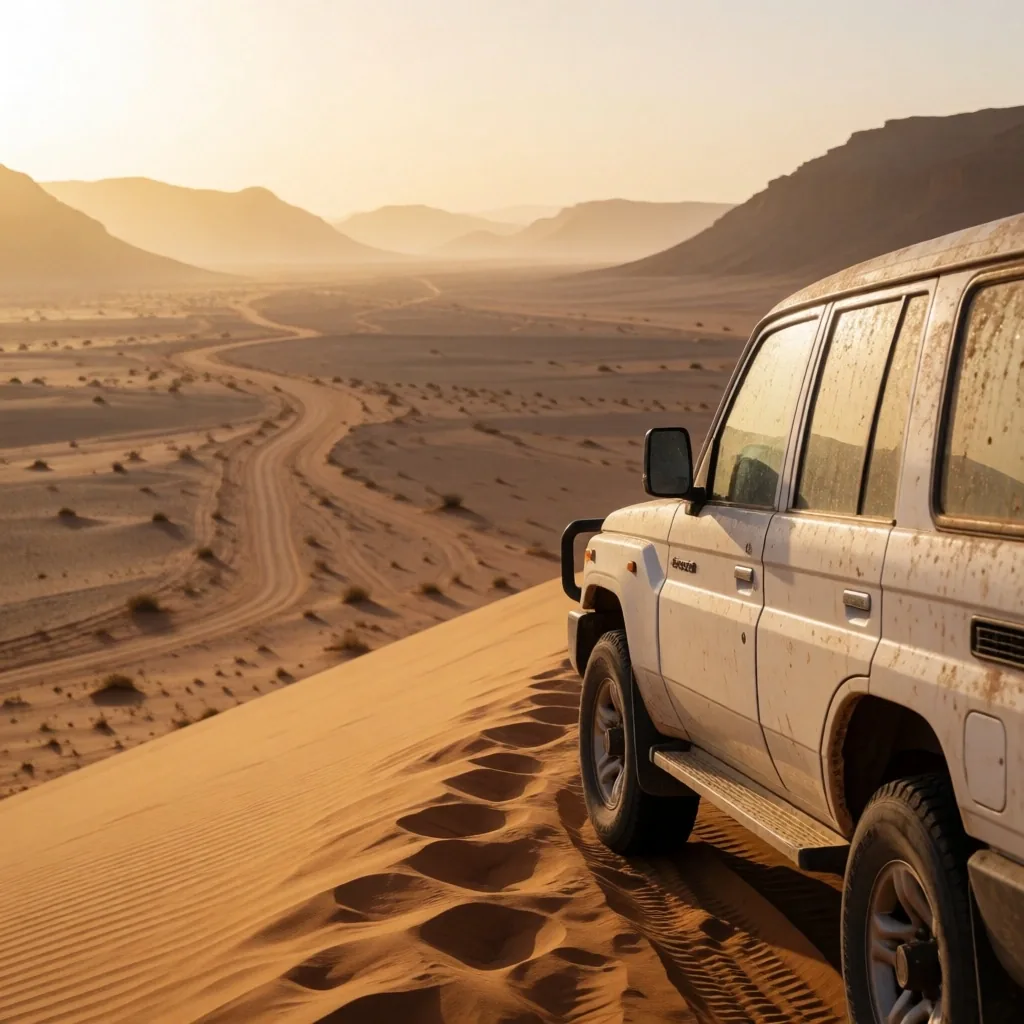
Getting around requires an understanding of the various transport options, from the extensive rail network that follows the river valley to local buses and private cars. For those heading into the desert, four-wheel-drive vehicles are essential — arrange these through established local operators who know the routes and carry proper recovery equipment.
In the larger cities, traffic is a significant factor in your travel time. A journey that looks like twenty minutes on a map can take an hour during peak periods. Build buffer time into city transitions, and confirm pickup points with drivers in writing when possible.
Planning your routes in advance saves time and stress. Note which stretches have fuel stations and food, and mark the last reliable mobile coverage point before remote sections. Long-distance trains between the capital and the south are comfortable and run on a published schedule — check the current timetable close to your travel date.
Communication and Connectivity
Major cities have excellent mobile coverage and internet access. Remote desert areas and oases can be more challenging — signal fades quickly once you leave paved roads behind.
Purchase a local SIM card upon arrival for the best rates and coverage. Bring an unlocked phone and have your passport ready for registration at the point of sale.
For deep desert expeditions, carry a satellite phone or a GPS messenger device. Tell someone your planned route and expected return time before you lose signal. Download offline maps for the entire route as a backup.
Budgeting for Your Trip
Understanding the local economy and managing your finances is key to a stress-free journey. Cash is still the primary method of payment in many smaller towns and for local services, so carry a steady supply of the local currency.
ATMs are reliable in cities and larger towns but scarce in the oases and desert settlements. Withdraw what you need before leaving a major centre, and keep smaller denominations for tips, taxis, and roadside stalls.
Daily costs for food, transport, and local guides are modest by international standards. Set aside a contingency reserve for unexpected transport changes or a last-minute guided detour. If you are working with local operators, agree on the total cost before departure.
Photography Etiquette and Gear
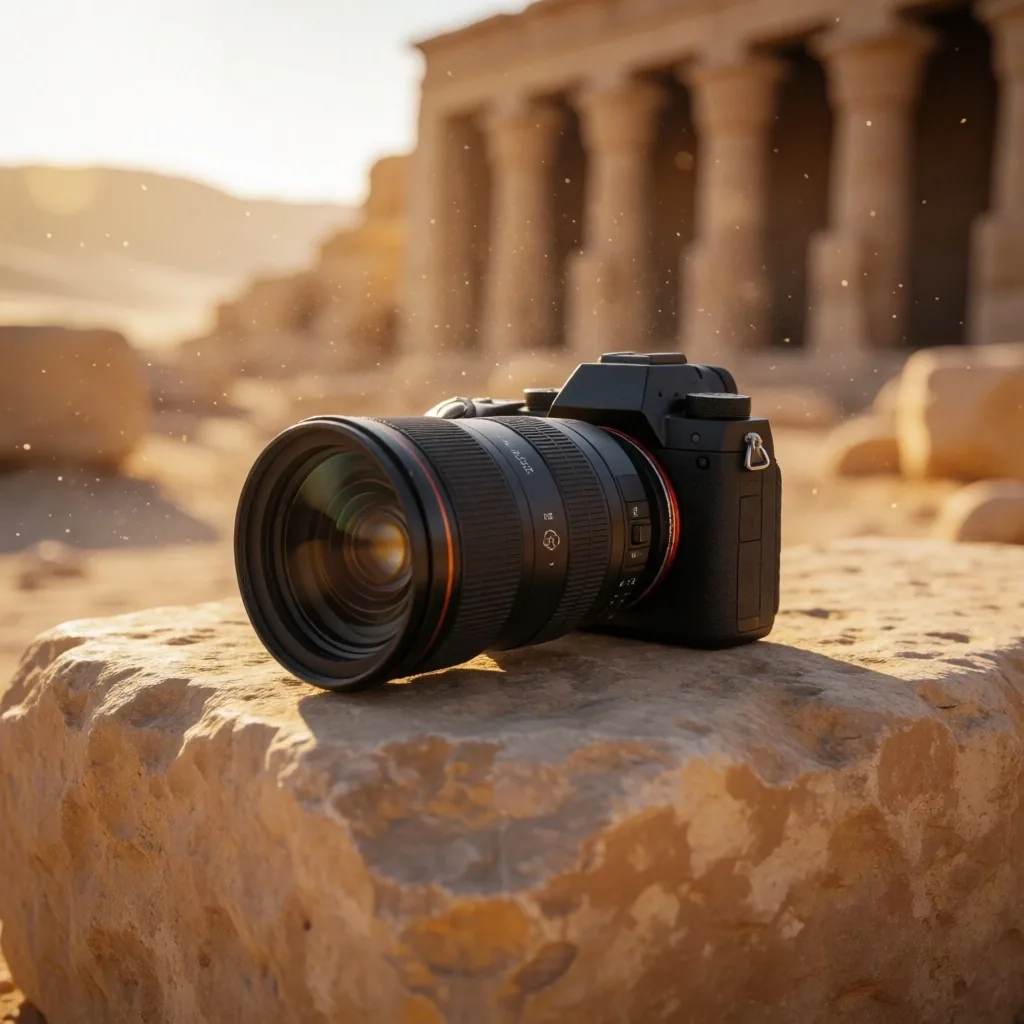
Capturing the beauty of the landscape is a priority for many travellers, but local regulations regarding photography vary. Some areas — particularly near sensitive locations — may have restrictions on camera use. When in doubt, ask before raising a lens, and respect any sign or request to stop.
Always ask before photographing people. A polite gesture and a smile usually suffice; a thank-you afterwards goes a long way. In some communities, photographing individuals without consent is considered intrusive, and a refusal should be honoured without argument.
Fine desert sand is hard on lenses and sensors. Carry a microfiber cloth, a rocket blower, and a sealed camera bag. Change lenses inside a vehicle or sheltered space when possible. A UV filter on your primary lens is cheap protection against grit. Let gear acclimatize slowly when moving between cold air-conditioned interiors and hot exteriors to avoid condensation.
Essential Documents and Permits
Traveling to certain remote regions or near the borders requires specific permits arranged in advance. Some desert routes and restricted areas need written authorisation from local authorities, and processing can take several days.
Keep your passport and other important documents secure yet accessible. A money belt or hidden pouch works for transit; a locked bag works for storage. Carry printed copies of your passport photo page, visa, and any permits — separate from the originals.
Store digital copies in a secure cloud service you can access from any device. Confirm which regions require permits before finalising your route, as the list of restricted zones can change. Check the current requirements through a reliable source close to your departure date.
Language and Basic Phrases
English is widely spoken in tourist areas. Learning a few basic phrases in the local language goes a long way in building rapport with the people you meet. Simple greetings and expressions of thanks are always appreciated.
Start with as-salaamu alaykum for a general greeting, shukran for thank you, min fadlak for please, and naam and la for yes and no.
Pronunciation does not need to be perfect. Locals read the effort as a sign of respect. This small effort can significantly enhance your cultural experience as a traveller into Egypt — a few words often open doors that a translator app does not.
Environmental Responsibility
We believe in leaving the places we visit exactly as we found them. This means carrying out all trash, staying on designated paths, and respecting the wildlife. The desert ecosystem is more fragile than it appears — tracks across thin crust can last for decades.
Choose accommodation that uses local staff and pays fair wages, and minimise your water usage in regions where supply is limited. A shorter shower in a desert town is not a hardship — it is a courtesy to the community that lives there year-round.
Carry reusable containers rather than relying on single-use plastic. When you finish a walk or a desert drive, check the area for anything that did not come from nature. These small choices, repeated across thousands of visitors, are what keep these locations intact for the people who follow.
Questions Travellers Ask Before the Field
When is the worst time to visit?
June through August. Interior and southern sites regularly exceed forty degrees Celsius, and night brings little relief. If you must travel in summer, plan all activity for the hours before nine in the morning and after five in the evening, and stay near the coast where the sea breeze tempers the heat.
How much water should I carry per day?
A minimum of three to four litres per person for a normal day in the desert, and six or more on active days. Drink steadily rather than waiting for thirst. Always carry more than you think you will need — a sealed reserve that goes untouched until you return.
Do I need a satellite phone?
For city and coastal travel, no. For any route that leaves paved roads and mobile coverage behind, a satellite messenger or GPS device is a wise safety precaution. A simple one-way device that sends a check-in or SOS signal is sufficient for most independent travellers.
Is cash really necessary?
Yes. Many smaller towns, roadside stalls, and local services accept cash only. Card coverage is improving in cities, but outside them a reliable supply of local currency is how you pay for fuel, food, taxis, and small guide arrangements.
Which areas require permits?
Certain desert routes and border-adjacent regions need written authorisation arranged in advance. The list of restricted zones changes over time, so confirm current requirements with a reliable local source close to your travel date. Build a few days of buffer into your timeline for processing if a permit is needed.
Can I photograph freely?
In most open landscapes, yes. Near sensitive locations, camera use may be restricted — watch for signs and ask if unclear. Always ask before photographing individuals; a refusal is final. Protect your gear from fine sand with a sealed bag and a UV filter on your primary lens.
Ready to Plan the Route?
These ten chapters cover the groundwork. The next step is choosing where to go and how to move between regions. Our travel guides break the country down by coast, desert, and river valley — each with its own pace, terrain, and timing. Pair this planning page with the destination guides to build a route that matches your season and your interests.
If you have a specific question about permits, transport, or gear, write to us directly — we answer practical questions from independent travellers.