Independent Travel Guides for the Modern Explorer
Egyptian Oasis Guides documents the raw beauty of the North African terrain — from shifting interior sands to salt-rich coastal waters. Our travel guides give every traveller into Egypt the context needed to navigate these diverse environments safely and respectfully.
Isolated springs fed by deep aquifers beneath the plateau.
Coral systems where the desert meets clear blue waters.
A green corridor where traditional sailing vessels still drift.
Where Palm Groves Define the Horizon
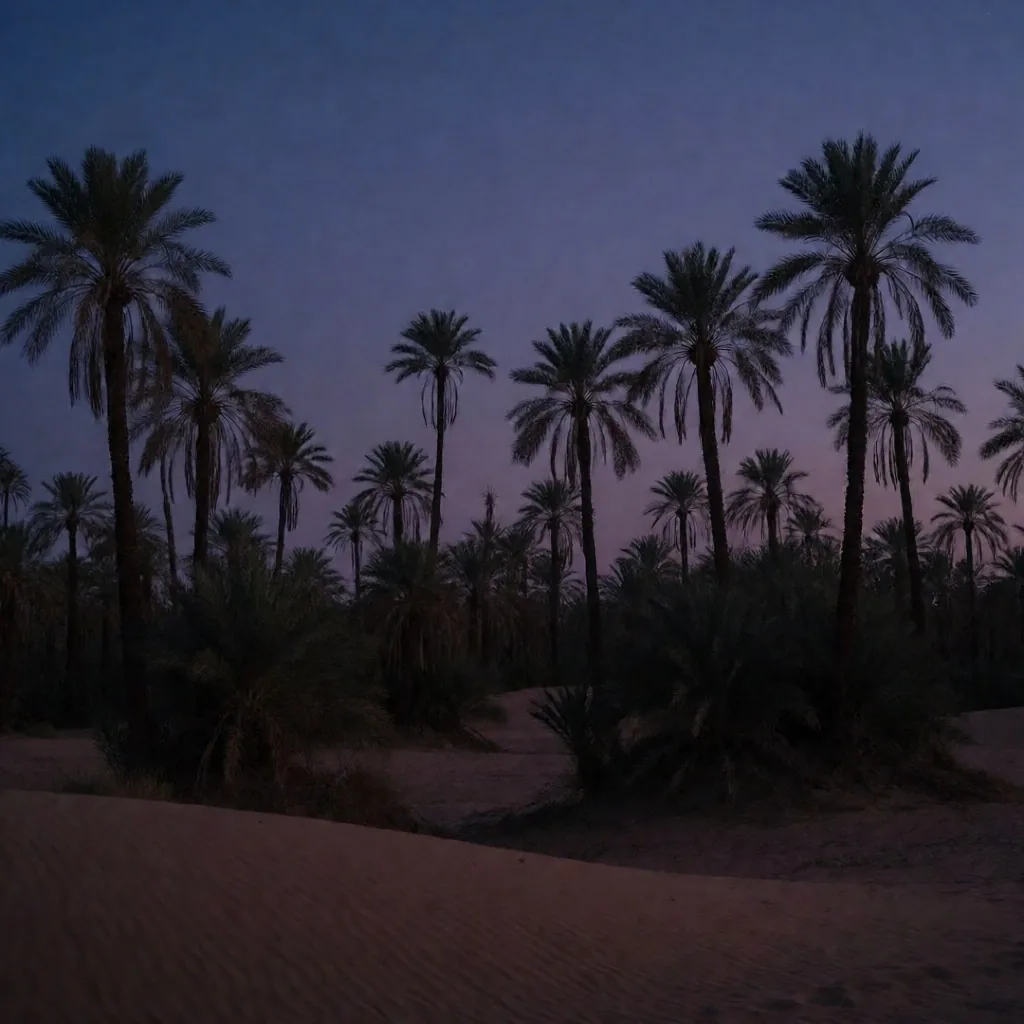
The sight of a palm grove against a desert horizon is a defining characteristic of the local geography. These resilient trees mark the presence of life-giving water and define the visual identity of rural and coastal regions alike. For those following our egypt travelling guides, understanding the role of the palm — as a source of shade, food, and construction material — is the first step in appreciating the local ecology.
You will encounter these towering silhouettes in almost every region, from the banks of the great river to the isolated springs of the western depressions. They are the living signposts of water, and their presence tells you that beneath the surface, the land still sustains life.
Egypt presents micro-climates that standard itineraries miss entirely.
Famous Greenery
The fertile strip along the great waterway is the green heart of the country. Dense vegetation, date farms, and small settlements line its banks, making it the most accessible region for first-time visitors.
Stark Contrast
Beyond the valley edges, the land rises into dramatic plateaus where silence and open space define the experience. These areas appeal to those seeking solitude away from established routes.
Immersion First
Our guides emphasize observation and immersion in the natural world rather than moving between famous landmarks. Every traveller into Egypt can experience the silence of open plains if they know where to look.
The geology is a living record of environmental change.
Limestone formations, volcanic remnants, and massive dune fields provide a playground for the curious mind. We break down the topographical features of the different regions so you can plan your movement based on terrain rather than reputation.
Whether you are drawn to the crystalline shapes of the white desert or the dark basalt of the black desert, our travel guides provide the geographic context you need to understand what you are standing on and how it came to be.
Desert Exploration Guides →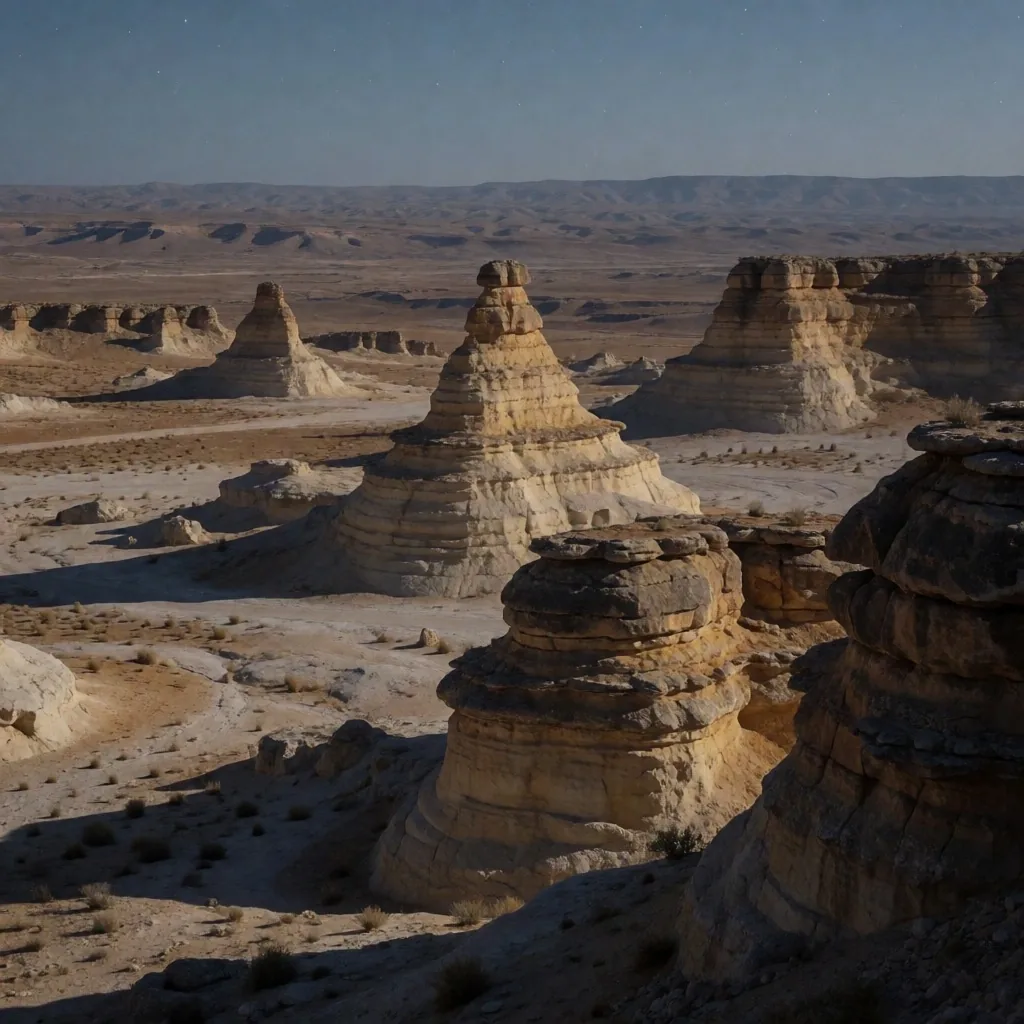
Timing is everything when exploring the outdoors in North Africa.
The heat of the summer months can be restrictive, making the cooler winter window the primary choice for deep exploration. We analyze weather patterns across different governorates to help you decide when to visit the coast versus the interior.
Understanding these cycles ensures that your experience remains comfortable and that you can engage with the landscape when it is at its most vibrant — when light is softer, shadows are longer, and the land breathes.
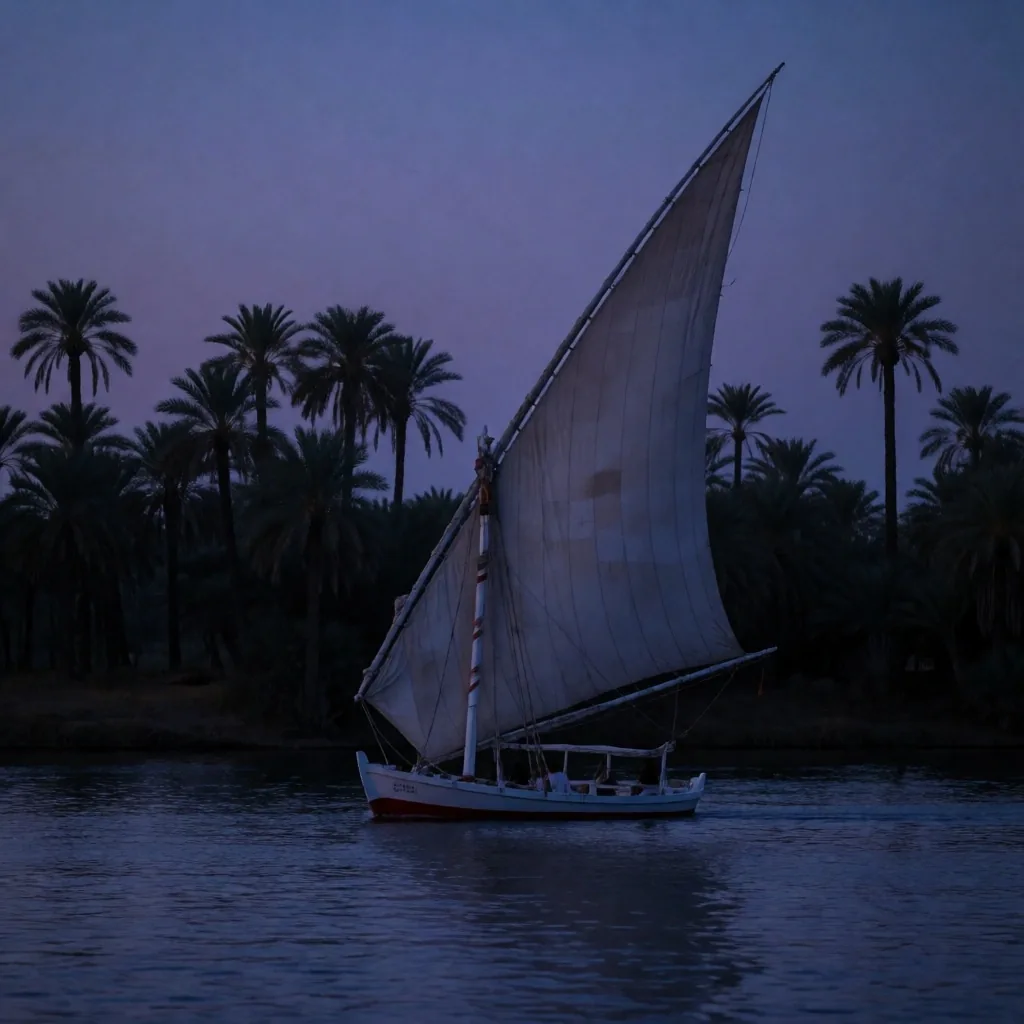
The central waterway remains the pulse of the nation.
This fertile strip is where the majority of the population resides, creating a unique interface between human settlement and nature. Our travel guides explore how the river's annual cycles have shaped the culture and agriculture of the region for millennia.
Observing the traditional sailing vessels on the water offers a glimpse into a way of life that has remained consistent for generations.
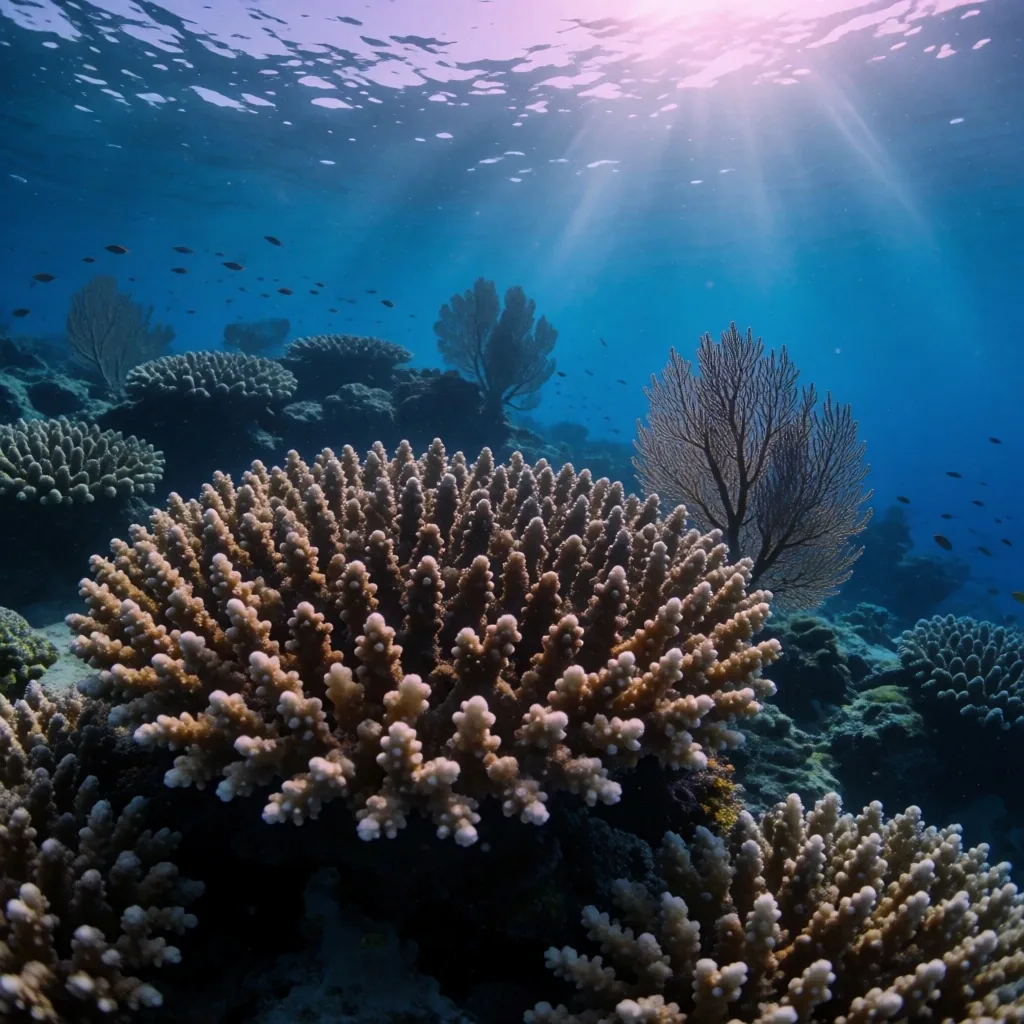
Where the desert meets the sea.
The shorelines along the eastern and northern borders offer a different perspective on the Egyptian environment. These areas are characterized by vibrant coral systems and clear blue waters that host a massive diversity of marine life.
We focus on the natural aspects of these coastal zones, highlighting where the desert meets the sea. For the traveller into Egypt, these regions provide a necessary respite and a chance to explore underwater ecosystems that are among the most celebrated in the world.
Explore Coastal Guides →Communities thriving around natural springs for centuries.
Deep within the western reaches, isolated communities have thrived around natural springs for centuries. These oases are not just rest stops but are rich cultural hubs with distinct traditions and dialects.
We provide insights into the social structures and agricultural techniques used to maintain life in these remote locations. Visiting an oasis requires careful planning, but the reward is an unparalleled look at human resilience in the face of environmental challenges.
Oasis Routes →A biodiversity often underestimated beneath the vast sands.
The migratory paths of millions of birds cross this land twice a year, making it a hotspot for nature enthusiasts. From the desert fox to the specialized plants that survive on minimal rainfall, there is much to discover.
Our egypt travelling guides help you identify the local wildlife and understand the conservation efforts in place to protect these species. Knowing what to look for transforms a barren landscape into a living one.
Conservation Practices →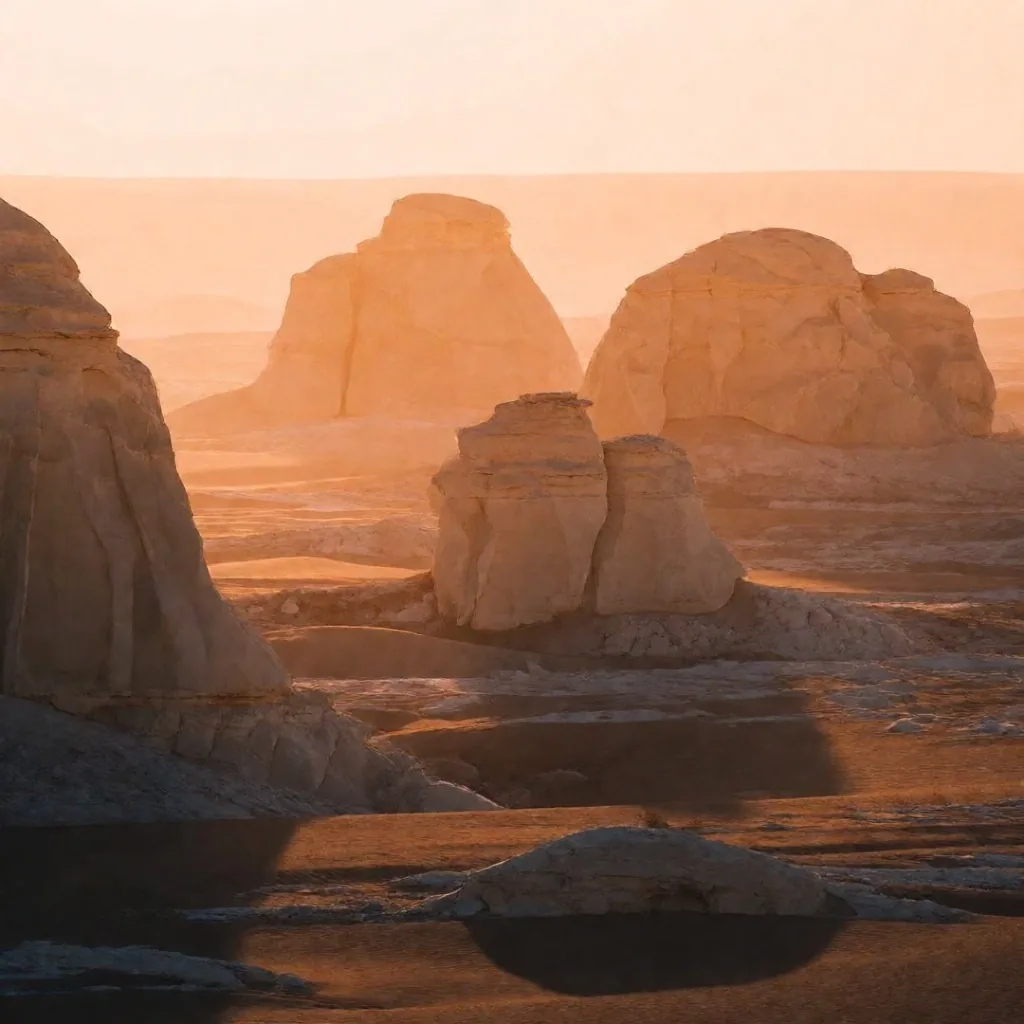
The light is legendary among visual artists.
Clarity and the way light transforms the colors of the earth at dawn and dusk — these are the qualities that draw photographers back to the desert year after year. We suggest locations where the horizon seems infinite and the shadows play across the dunes in dramatic ways.
Capturing the essence of the landscape requires patience and an understanding of how the sun interacts with the dust and sand in the air. This guide helps you time your sightings to catch the most atmospheric moments.
A leave-no-trace philosophy.
Engagement with the local environment should always be handled with care to preserve the integrity of the sites. We promote a leave-no-trace philosophy, encouraging visitors to respect the natural formations and the privacy of local communities.
Our travel guides emphasize the importance of using local knowledge and hiring regional experts who understand the land. This approach ensures your safety and supports the communities that act as stewards of these landscapes.
Sustainable Travel Practices →The mode of travel is part of the adventure.
Moving between these diverse locations requires an understanding of the local transport infrastructure. From long-distance trains to the rugged vehicles needed for the deep sands, every mode of travel tells you something about the terrain you are crossing.
We provide an overview of how to navigate the distances between the northern coast and the southern borders. Knowing which permits are required for certain areas is a crucial part of the planning process that we cover in detail.
Planning and Permits →History and food, written into the land itself.
Every rock and valley carries the weight of history. Every meal is a direct reflection of what the land provides.
The Role of History in the Landscape
The ancient trade routes that crisscross the desert are still visible if you know where to look. We connect the physical geography to the historical narratives that have shaped the territory. For the traveller into Egypt, this adds a layer of depth to every mountain range and dried-up riverbed encountered along the way.
A path worn into stone by centuries of caravans is not a footnote — it is the reason the landscape looks the way it does. Understanding that transforms a barren crossing into a corridor of human endurance.
Culinary Connections to the Land
The food of the region is a direct reflection of what the land provides, from the dates of the oasis to the fish of the Mediterranean. We discuss the traditional staples that sustain both the locals and the explorers who travel among them.
Understanding the local diet is essential for those spending extended periods in the field. Our egypt travelling guides highlight the significance of communal meals and the hospitality that is a hallmark of the regional culture.
Exploration is inherently unpredictable.
Being prepared for various scenarios is key to a successful trip. Our guides are designed to build confidence in the independent traveller by providing practical, reality-based advice.
By understanding the constraints of the environment, you can focus on the beauty and wonder of the journey rather than the logistics of survival.
- Sun Full-spectrum protection: wide-brim hat, UPF-rated clothing, polarized eyewear, and sunscreen reapplied every two hours regardless of cloud cover.
- Water Carry more than you think you need. Plan for at least four liters per person per day in the interior, and store supply in insulated containers to keep it drinkable.
- Layer Desert nights drop fast. Pack a insulating mid-layer and a windproof shell even when daytime temperatures feel punishing.
- Signal Download offline maps before leaving populated areas. Carry a charged power bank and share your route with someone who is not traveling with you.
- Local Engage a regional guide for remote terrain. Local knowledge of springs, safe tracks, and weather signs is the single most reliable resource you can carry.
Every traveller into Egypt benefits from understanding local customs before arriving. Our cultural etiquette guide covers greetings, dress, and community norms.