
Desert Adventures: Navigating the Golden Sands
Great Sand Sea
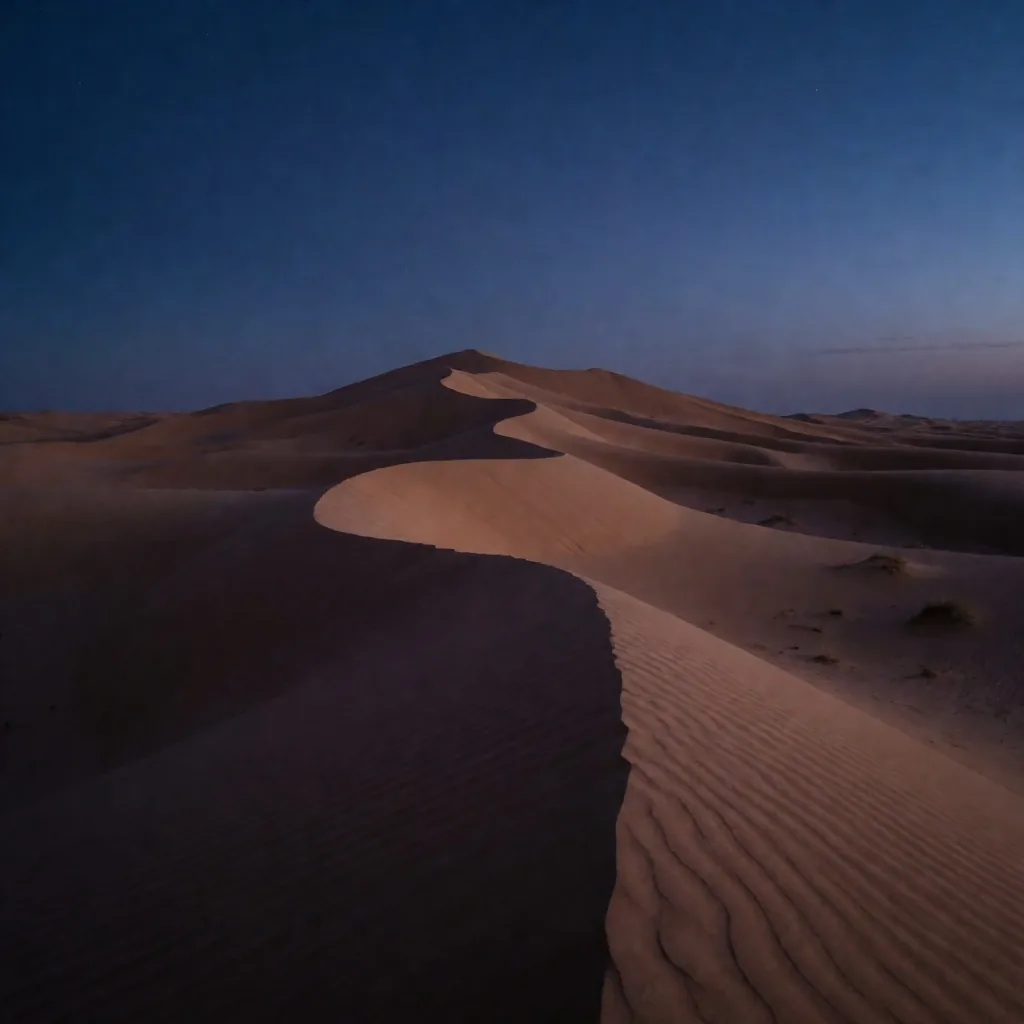
Rolling dunes along the western border, reaching over a hundred meters high.
White Desert Plateau
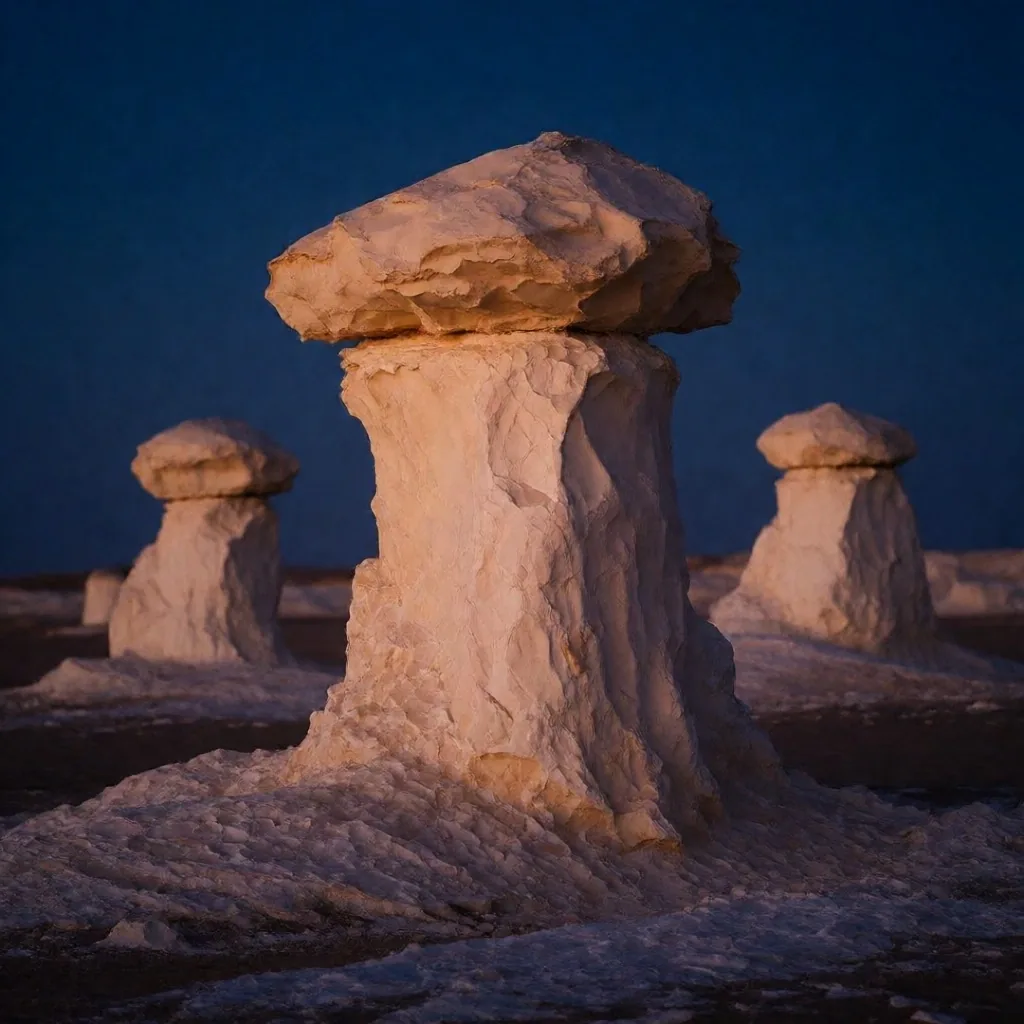
Chalk monoliths sculpted by wind into alien shapes against yellow sand.
Eastern Highlands
Rugged mountain terrain east of the Nile, rich in stone and deep valleys.
The deserts of Egypt cover over ninety percent of the country's landmass, offering a vast and varied landscape for the intrepid explorer. From the high dunes of the Great Sand Sea to the rocky plateaus of the eastern highlands, the desert is a place of profound silence and immense scale. Our egypt travelling guides provide the essential knowledge needed to traverse these arid regions safely while discovering their hidden wonders.
Three Faces of the Same Wilderness
The Egyptian interior is not a single landscape but a sequence of distinct geological zones, each demanding different preparation and rewarding different kinds of attention.
Sand Seas
The Great Sand Sea along the western border is a mass of rolling dunes reaching over a hundred meters. This is the desert of postcard imagination—wind-sculpted ridges, soft footing, and a horizon that seems to breathe. Navigation here requires specialized vehicles and experienced local guides, as the landscape shifts with every storm.
Examine the dunes →Chalk and Basalt Plateaus
The White and Black Deserts sit side by side—one covered in chalk monoliths eroded into surreal shapes, the other coated in volcanic stones and dark basalt mounds. Together they tell the story of ancient seas and volcanic activity that shaped this land millions of years ago. The contrast between white and black is visible from miles away.
Survey the plateaus →Rocky Highlands
The Eastern Desert is a rugged terrain of mountains and deep valleys, less about sand and more about stone. High peaks offer challenging treks and distant views toward the Red Sea. Ancient mining roads still wind through these hills, and petroglyphs mark the rocks where early inhabitants recorded their world.
Enter the highlands →The White Desert
One of the most surreal landscapes on earth, the White Desert is characterized by massive chalk formations that have been sculpted by the wind into fantastic shapes. These white monoliths stand in stark contrast to the surrounding yellow sands, creating an alien-like environment that feels closer to a sculptural park than a natural wilderness.
Our travel guides explain the geological processes that led to the creation of these limestone towers—deposits from an ancient sea floor, exposed and carved by millennia of wind erosion. The chalk is soft and porous, which is why the wind has been able to shape it into such varied and improbable forms: arches, mushrooms, giant fingers, and abstract figures that change character as the light moves across them.
Spending a night under the stars in this region is a highlight of any journey into the interior. The formations glow faintly under moonlight, and the silence is absolute. For the traveller into Egypt who wants to understand the scale of geological time, this is where it becomes visible.
The Great Sand Sea
Stretching along the western border, this massive expanse of rolling dunes is one of the largest sand deserts in the world. Navigating this area requires specialized vehicles and experienced local guides, as the landscape is constantly shifting. What looks like a stable ridge in the morning may have migrated several meters by afternoon, and tracks left at dawn can vanish before noon.
The scale of the dunes is breathtaking, with some reaching heights of over a hundred meters. Standing at the base of one and looking up at the wind-rippled crest, the sheer volume of moving sand becomes clear. The windward side is typically firm and safe to walk on; the leeward side is soft, steep, and dangerous for both vehicles and people.
This is the ultimate destination for those seeking true isolation and the raw power of the desert environment. Mobile phone signals do not reach here. Water sources are nonexistent on the surface. Every drop of drinking water must be carried in. Our egypt travelling guides recommend traveling only with operators who know the dune corridors and carry satellite communication.
The Black Desert
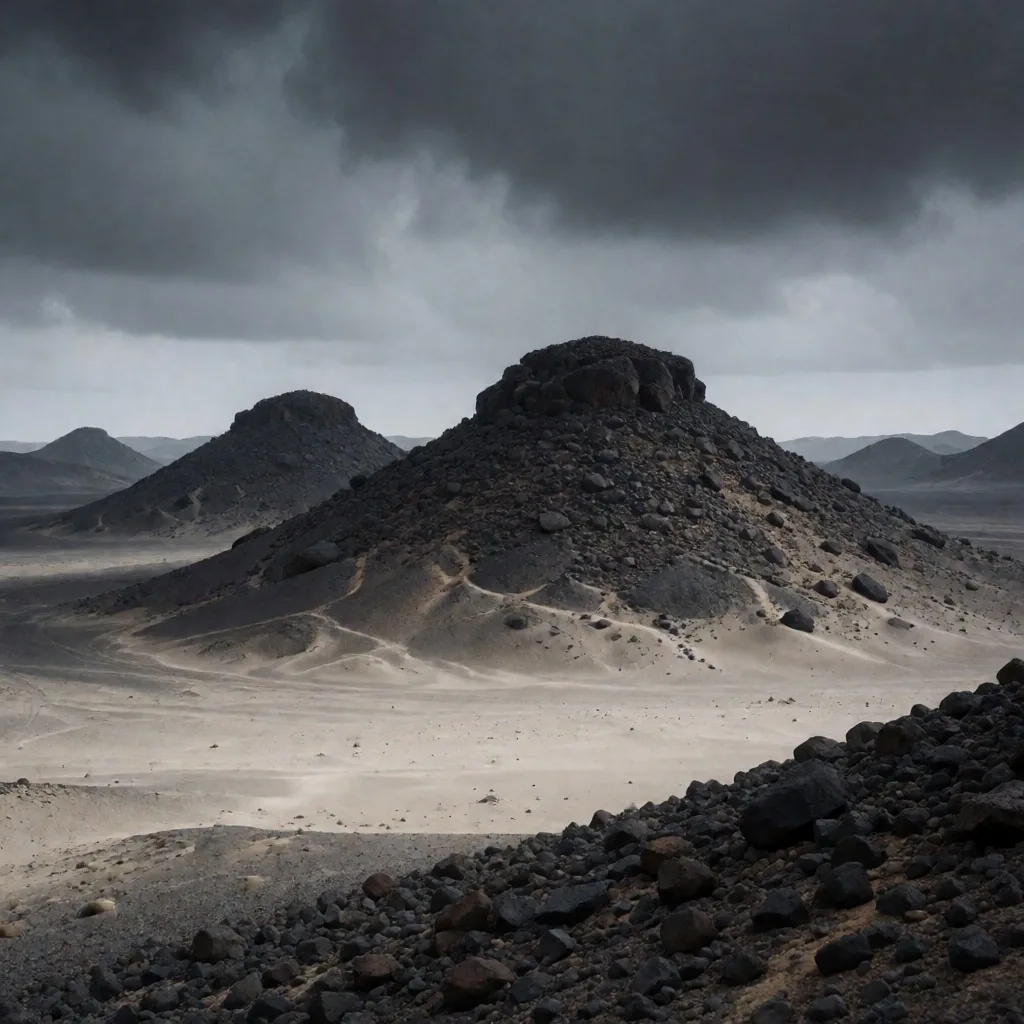
In contrast to the white chalk of its neighbor, the Black Desert is covered in a layer of volcanic stones and mounds of dark basalt. This creates a dramatic, somber landscape that tells the story of the region's ancient volcanic activity. The dark surface absorbs heat through the day and radiates it long after sunset, making the ground itself a record of geological force.
Climbing one of the dark hills provides a panoramic view of the surrounding plains and the transition between different geological zones. From the top, you can see where the black stones give way to yellow sand, and where the chalk formations of the White Desert begin on the horizon. It is one of the few places where the region's full geological history is legible in a single glance.
It is a stark reminder of the violent natural forces that shaped the earth millions of years ago. The volcanic rock is dense and sharp-edged, nothing like the soft chalk a few kilometers away. Footwear matters here—sturdy soles are essential.
Desert Flora and Resilience
Despite the lack of water, the desert is home to a surprising variety of plant life adapted to extreme conditions. Acacias with deep roots tap into underground moisture tens of meters below the surface. Specialized succulents store water in thick, waxy leaves that minimize evaporation. Tamarisk bushes line dry riverbeds where flash floods occasionally pass.
Our travel guides help you identify these resilient species and understand their role in the desert ecosystem. Acacia pods feed gazelles and insects; the shade beneath a mature tree can be ten degrees cooler than the open sand. Seeing life bloom after a rare rainfall is a testament to the endurance of the natural world in this harsh environment.
If you encounter vegetation in the open desert, it often signals that water is somewhere below. Local guides read these plants the way a sailor reads the sea—not as decoration, but as information about what lies beneath the surface.
Star Gazing and the Night Sky
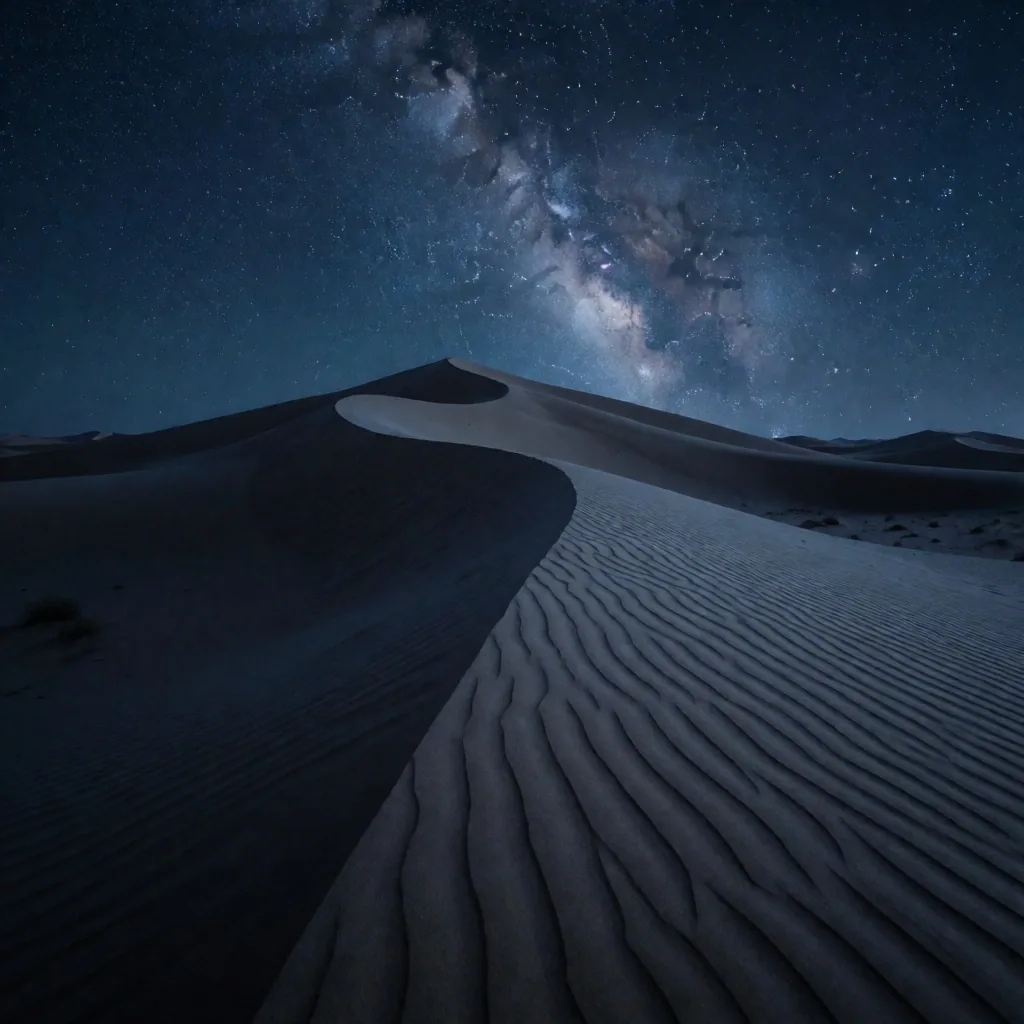
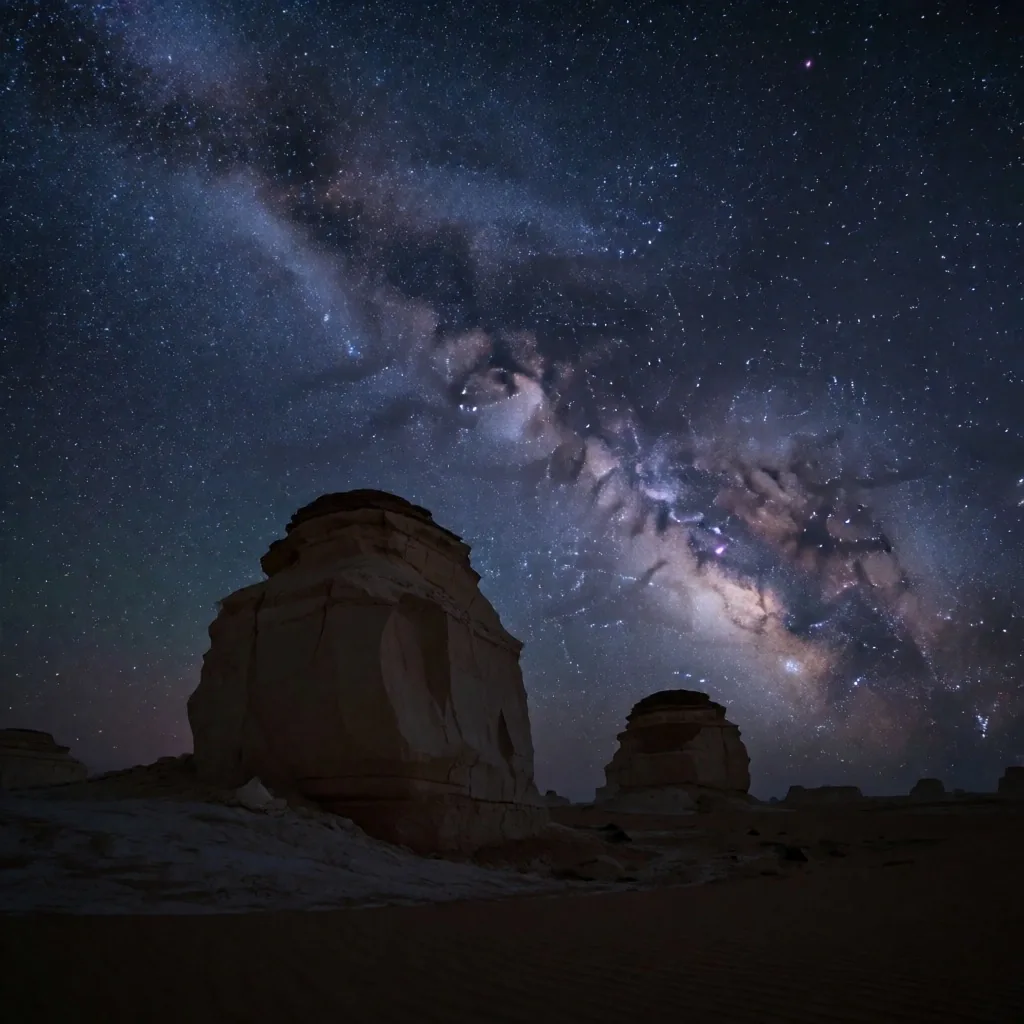
With virtually no light pollution, the desert offers some of the best stargazing opportunities on the planet. The Milky Way is often visible to the naked eye, stretching across the dark canopy in incredible detail. In the deep interior, away from any settlement, the sky does not simply get dark at night—it becomes a surface, dense with light.
Our guides suggest the best locations for overnight stays where you can experience the celestial beauty of the desert night. The silence of the desert enhances the experience, making you feel truly connected to the universe. There is no ambient sound except the occasional shift of sand or the wind moving across a distant ridge.
The best viewing happens in the hours after midnight, when the ground has released its stored heat and the air is still. Bring a ground mat, warm layers even in summer, and allow at least thirty minutes for your eyes to adjust fully.
Ancient Petroglyphs and Rock Art
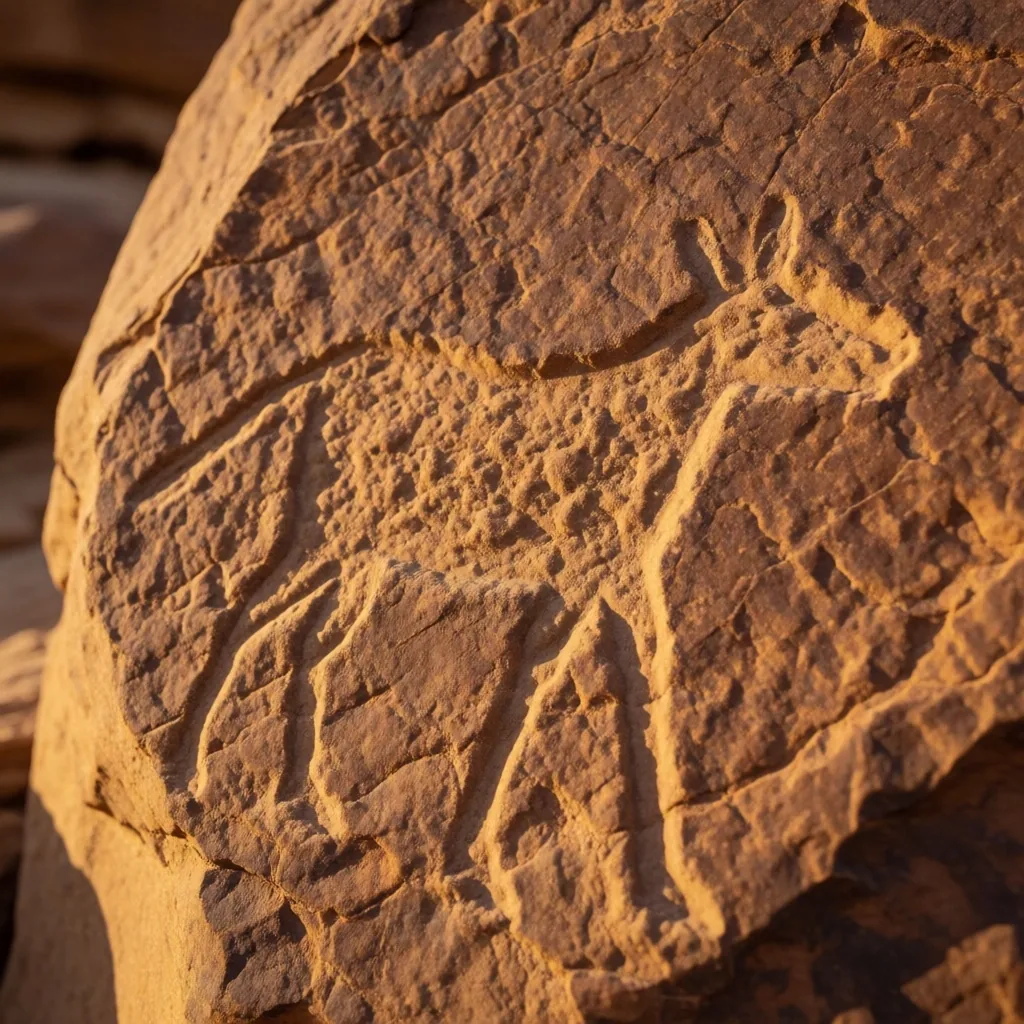
Hidden among the rocks of the deep desert are thousands of years of human history recorded in stone. Ancient carvings and paintings depict animals and scenes of life from a time when the desert was a much greener place—cattle, giraffes, and boats etched into surfaces that have not seen rain in living memory.
Finding these sites requires keen observation and often the help of local experts who know the locations of these hidden galleries. They are not marked on any map, and many sit in wadis that look identical to dozens of others nearby. The carvings are sometimes no deeper than a millimeter into the rock surface, visible only in raking light at dawn or dusk.
This rock art provides a fascinating link between the modern traveller and the inhabitants of the past. It is a reminder that the desert was not always a desert—and that the people who lived here before us left their records in the only medium that survives in this climate: stone.
Desert Oases and Springs
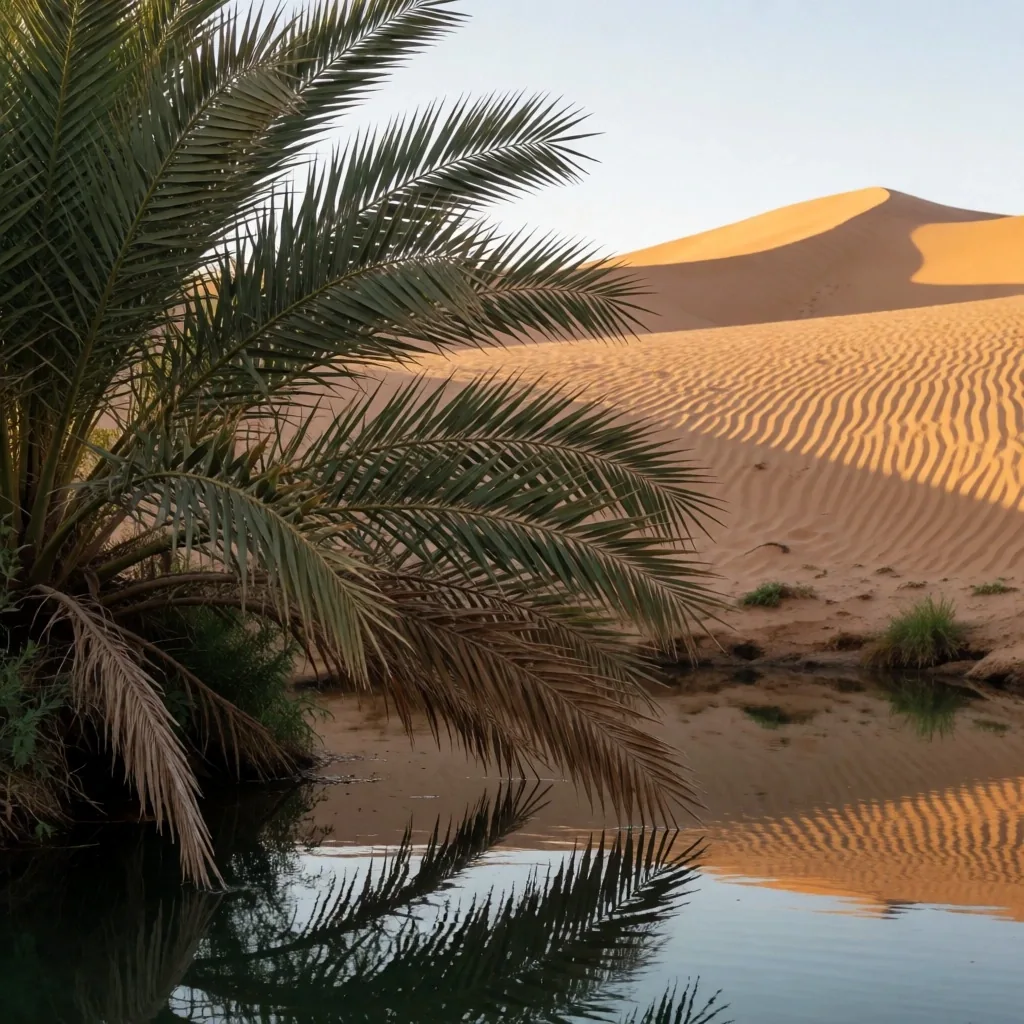
The presence of water in the desert is a miracle that has allowed for human settlement in the most remote areas. These oases are fed by massive underground aquifers that have existed for millennia, some holding fossil water that fell as rain thousands of years ago and has been traveling through rock ever since.
We explore the geography of these green islands and the traditional ways they manage their precious water resources. Date palms, olives, and vegetables grow in shaded plots fed by narrow irrigation channels that have been maintained for generations. The contrast between the open desert and the dense green of an oasis is immediate and striking.
Visiting an oasis provides a necessary break from the intensity of the open desert and a chance to experience a unique way of life. These are not tourist installations—they are working communities. Our egypt travelling guides encourage visitors to approach them with respect, to ask before photographing, and to support local economies directly through small purchases and local guides.
The Eastern Desert Highlands
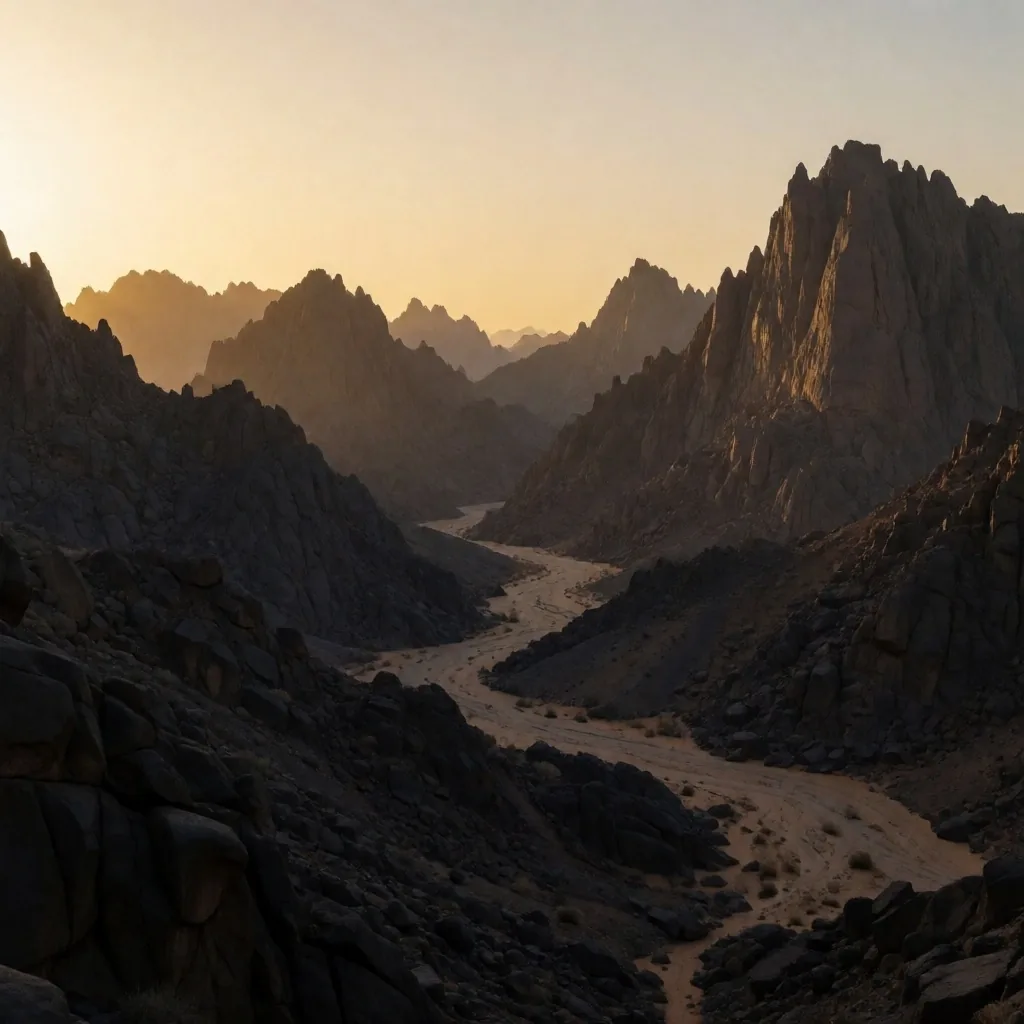
The desert to the east of the Nile is a rugged terrain of mountains and deep valleys. This area is rich in minerals and has been mined since ancient times for its gold and semi-precious stones. Our focus is on the natural formations—the sheer rock walls, the dry wadis, and the ancient roads cut into the hillsides.
The high peaks offer challenging treks and spectacular views of the Red Sea in the distance. From certain summits, you can see both the Nile valley to the west and the Red Sea coast to the east—a perspective that makes the geography of Egypt click into place in a way that no map can replicate.
This region is less about sand and more about stone, providing a different perspective on the Egyptian wilderness. The rock here is jagged and dark, cut by wadis that occasionally flash with water after storms far away. Hiking requires solid boots, long pants, and a clear sense of the route.
Survival and Safety in the Arid Interior
Safety is the most important consideration when planning a desert expedition. The desert can be unpredictable, with sandstorms that reduce visibility to zero in minutes and temperature swings of thirty degrees between noon and midnight.
Our egypt travelling guides aim to prepare you for these challenges, ensuring that your adventure is as safe as it is memorable. The principles below are a starting point, not a substitute for professional guidance and proper equipment.
Water Planning
Carry a minimum of four liters per person per day, plus a reserve. Never ration water in the heat—drink before you feel thirsty.
Communication
Mobile networks do not cover the interior. Carry a satellite messenger or personal locator beacon, and check batteries before departure.
Travel in Convoy
Never enter the deep desert with a single vehicle. Two vehicles minimum, recovery gear, and someone who knows the route.
Temperature Shifts
Days can exceed forty degrees; nights can drop near freezing. Pack layers for both extremes, even in summer.
Sandstorm Protocol
If visibility drops, stop, face away from the wind, cover your mouth and eyes, and wait. Storms typically pass within hours.
Share Your Plan
Leave your route and expected return time with someone who will raise the alarm if you do not check in.
Continue Your Journey
Egyptian Oasis Guides
Nile City Towers 2005 B, Nile Corniche, Boulaq Num.1, Bulaq, Cairo Governorate 11311, Egypt
Mon–Fri: 9:00–18:00