Our Commitment
to Egyptian Exploration
We are a team of writers and field researchers who have spent years walking the deserts, riverbanks, and mountain routes of this region — collecting the kind of practical knowledge an independent traveller into Egypt actually needs.
Independence Over Placement
No payment for inclusion. Recommendations based on merit and the physical reality of each location.
The Natural World First
Geology, ecology, and geography of the deserts, mountains, and coasts — the land before the story.
Safety Through Knowledge
Climate data, navigation notes, and local regulations — updated against current ground conditions.
A small team of writers, researchers, and long-time desert travellers. We built this resource because the information independent explorers need — route conditions, water sources, local etiquette — is hard to find in one place.
Detailed travel guides covering natural landmarks, scenic routes, and the practical logistics of moving through remote terrain. No packaged tours, no branded resorts — just the land and how to move through it.
The traveller into Egypt who wants a deeper connection with the environment — someone who prefers a week in a quiet village to a checklist of crowded stops, and who is willing to prepare carefully.
Editorial Independence
Our content is created with a strict focus on the needs of the independent traveller. We do not accept payment for placement. Recommendations in our egypt travelling guides are based solely on the merit and physical reality of the locations described — not on commercial arrangements with hotels, tour operators, or transport companies.
This independence lets us give honest assessments of the challenges and rewards of visiting remote areas. A desert pass may be impassable after rain. A coastal route may lose its appeal in high summer. A village may welcome strangers warmly but expect a particular form of greeting. We report these details because they matter to someone standing on the ground, not because a partner asked us to soften the picture.
We prioritize the integrity of the travel experience over commercial interests. If a location is crowded, overdeveloped, or no longer worth the detour, we say so. If a route is rough, requires a four-wheel-drive vehicle, or is best avoided at certain hours, that goes into the guide. Readers who value authenticity have made us their trusted source precisely because we are willing to draw these lines.
A Focus on the Natural World
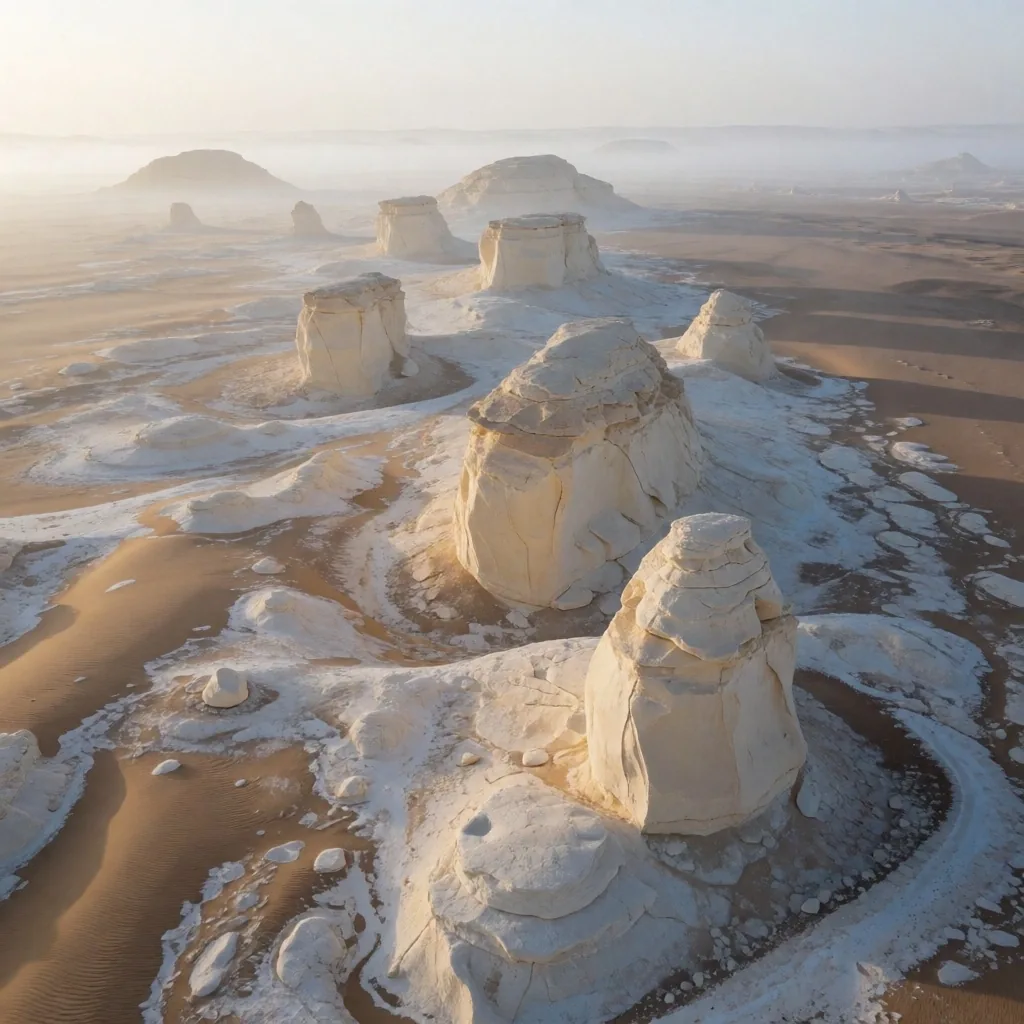
While the human history of this region is vast, we choose to emphasize the natural landmarks that often serve as the backdrop for that history. Our focus remains on the geology, ecology, and geography of the deserts, mountains, and coasts — the physical ground that shaped every civilization that passed through here.
How We Prepare Readers
Safety Through Knowledge
The desert can be unforgiving for the unprepared. Our travel guides are designed to reduce those risks through education. We provide detailed advice on climate patterns, navigation methods, water requirements, and local regulations that affect access to protected areas.
- Seasonal temperature ranges and the safest months for each region
- Navigation tools and what to carry when GPS signal is unreliable
- Permit requirements and areas where independent travel is restricted
- Water sourcing, emergency contacts, and communication coverage gaps
Our team continuously updates this information to reflect current realities on the ground. A road closed by flash flooding, a checkpost with new operating hours, a well that has run dry — these details change, and so do our guides.
Promoting Cultural Etiquette
Respect for local traditions and social norms is essential for any meaningful travel experience. We dedicate a significant portion of our resources to educating travellers on how to interact with the diverse communities they will encounter.
- Greeting customs and expected forms of address in rural communities
- Dress expectations, particularly in villages and near places of worship
- Photography etiquette and when to ask permission before raising a camera
- Hosting and hospitality customs, including how to accept and decline gracefully
From the Bedouin communities of the Sinai to the farmers of the Nile Delta, each group has its own customs and rhythms of daily life. A well-informed traveller is a respectful one, and our guides reflect a commitment to that principle.
Supporting Local Expertise
We strongly advocate for the use of local guides and services when exploring remote parts of the country. Local knowledge is irreplaceable, especially when navigating the complex terrain of the western oases or the eastern mountains.
A guide who grew up in a region knows where the sand becomes soft after a particular wind, which spring still runs clean in late summer, and which track avoids the military zones that do not appear on civilian maps. That knowledge cannot be downloaded or approximated.
Our content encourages travellers to engage with the people who know the land best. This approach fosters a more sustainable travel economy and provides the visitor with insights that cannot be found in a book or on a map.
The Philosophy of Slow Travel
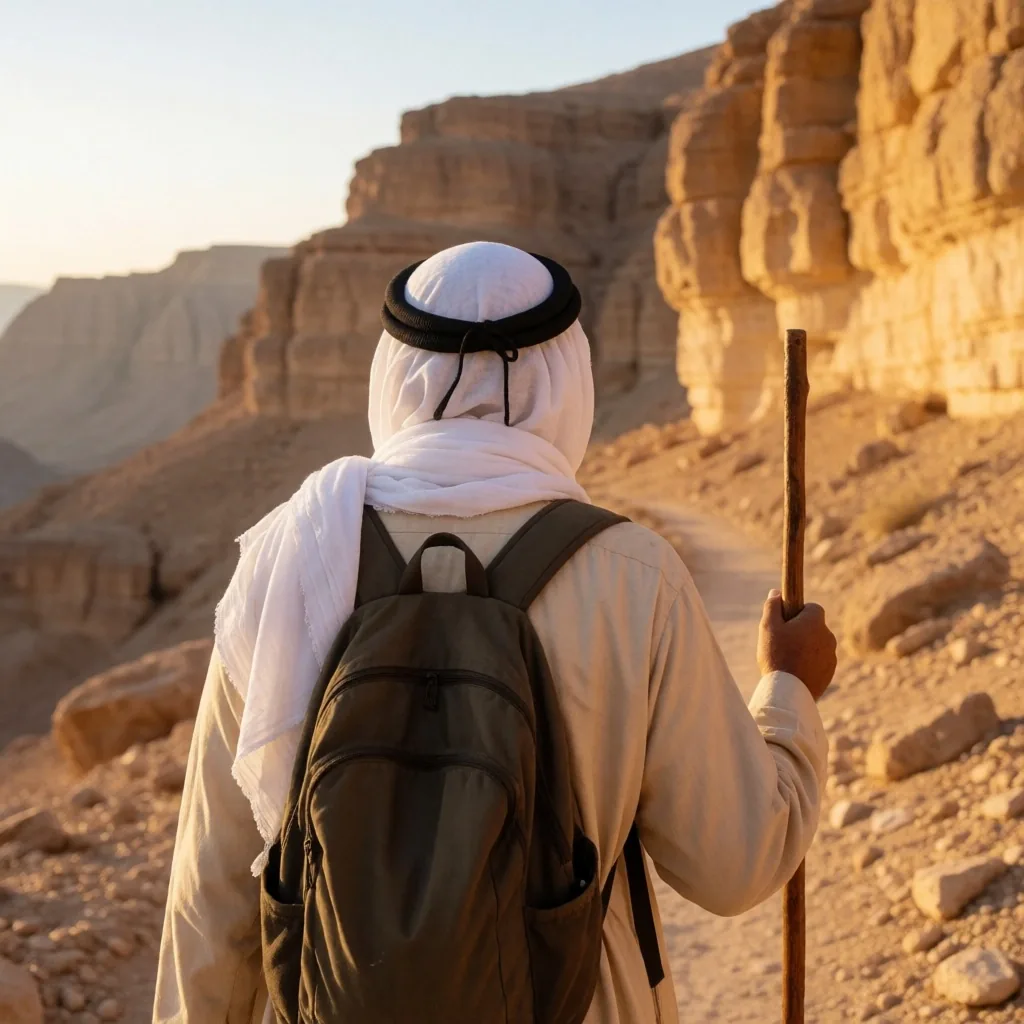
We encourage our readers to slow down and spend more time in fewer locations. The checklist style of travel — moving every day, collecting destinations like stamps — often misses the subtle details that make a place worth visiting in the first place.
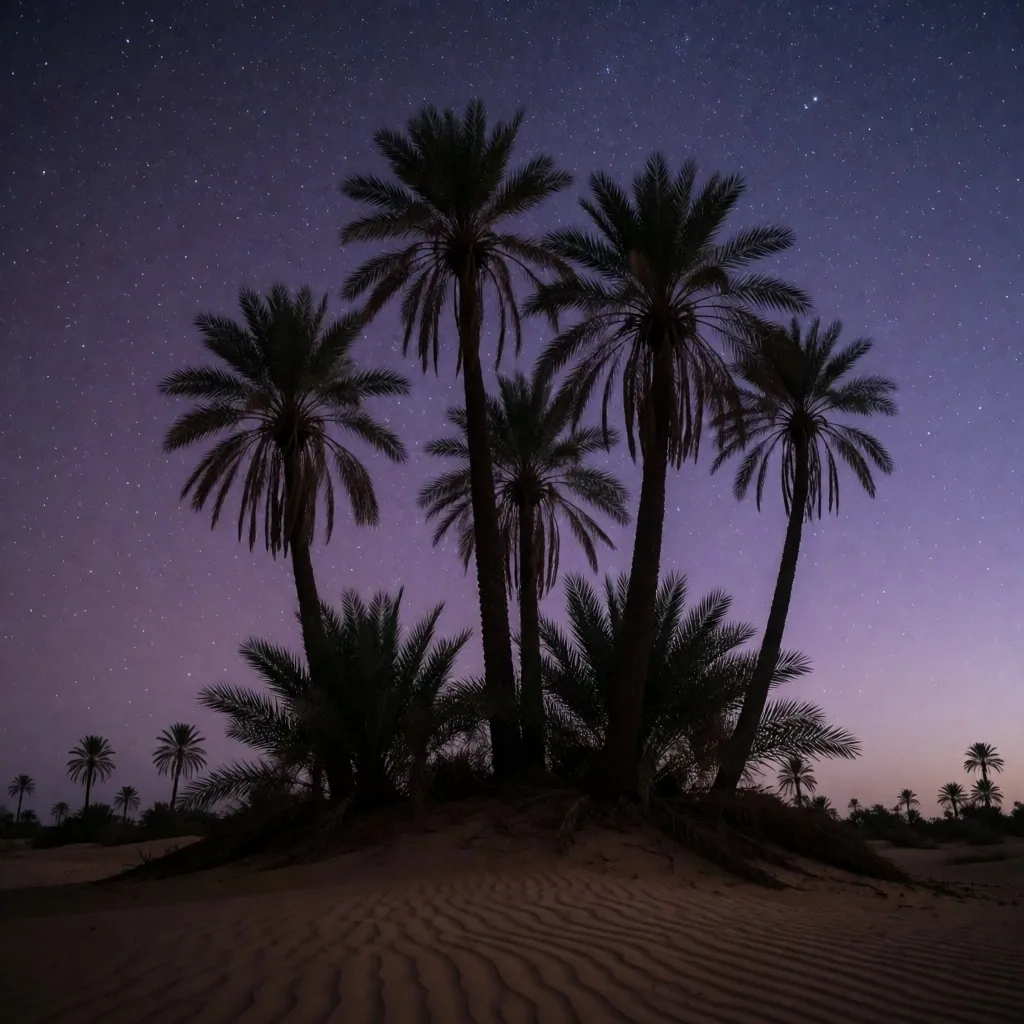
Our guides are written to support an immersive experience, providing enough detail for an extended stay in any given region. We describe morning light on a salt lake, the afternoon wind that comes off the Gulf, the sound of palm fronds at night. These are not decoration. They are the reason to go.
Whether it is watching the sunset over a salt lake or spending a week in a remote village learning how bread is baked in a stone oven, we believe the best memories are made when you are not in a rush. A traveller who stays three nights in one wadi learns more than a traveller who drives through five.
Environmental Stewardship
As lovers of the Egyptian landscape, we feel a deep responsibility to protect it. Our content promotes sustainable practices that minimize the environmental impact of travel.
We provide advice on waste management in areas with no facilities, water conservation in arid zones, and the protection of fragile ecosystems like coral reefs along the Red Sea coast and the desert crusts that prevent erosion. A single vehicle track across living desert crust can remain visible for decades.
Accuracy and Research
Every guide we publish is the result of extensive research and first-hand experience. We do not just aggregate information from other sources. We verify it through our own travels and through consultations with local experts.
This meticulous approach ensures that our egypt travelling guides are both practical and evocative. We take pride in the quality of our writing and the depth of our geographic knowledge. If a detail cannot be confirmed, it does not appear in the guide.
Connecting Travellers
While we are primarily an informational resource, we also aim to build a community of like-minded explorers. We provide platforms for travellers to share their own experiences and advice.
This peer-to-peer exchange is invaluable for navigating the ever-changing landscape of international travel. A road condition report from someone who drove the route last week is worth more than any published map. Sharing wisdom makes the journey better for everyone involved.
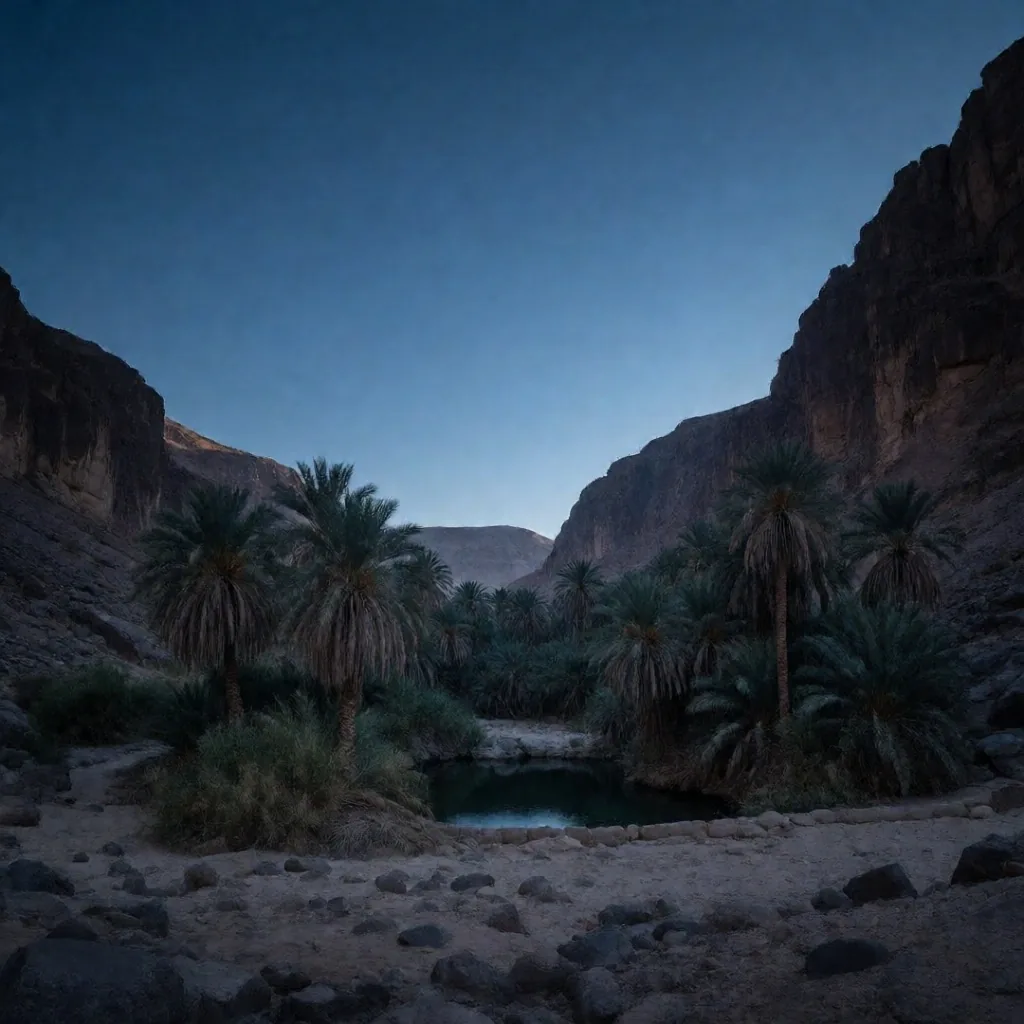
Our Vision for the Future
Looking ahead, we aim to expand our coverage to include even more of the hidden corners of this region. We are constantly seeking out new paths and stories that highlight the diversity of the Egyptian environment. Our commitment to high-quality travel guides remains steadfast as we grow.
Continue Reading
Browse our growing library of location guides, route notes, and field reports from across the region.
Top Scenic SpotsPlan Your Route
Practical guidance on timing, transport, and what to carry when moving through remote terrain.
Essential PlanningGet in Touch
Questions about a route, a correction, or a location we should cover next? Write to our editors.
Contact Our Editors