
River Journeys: Exploring the Green Corridor
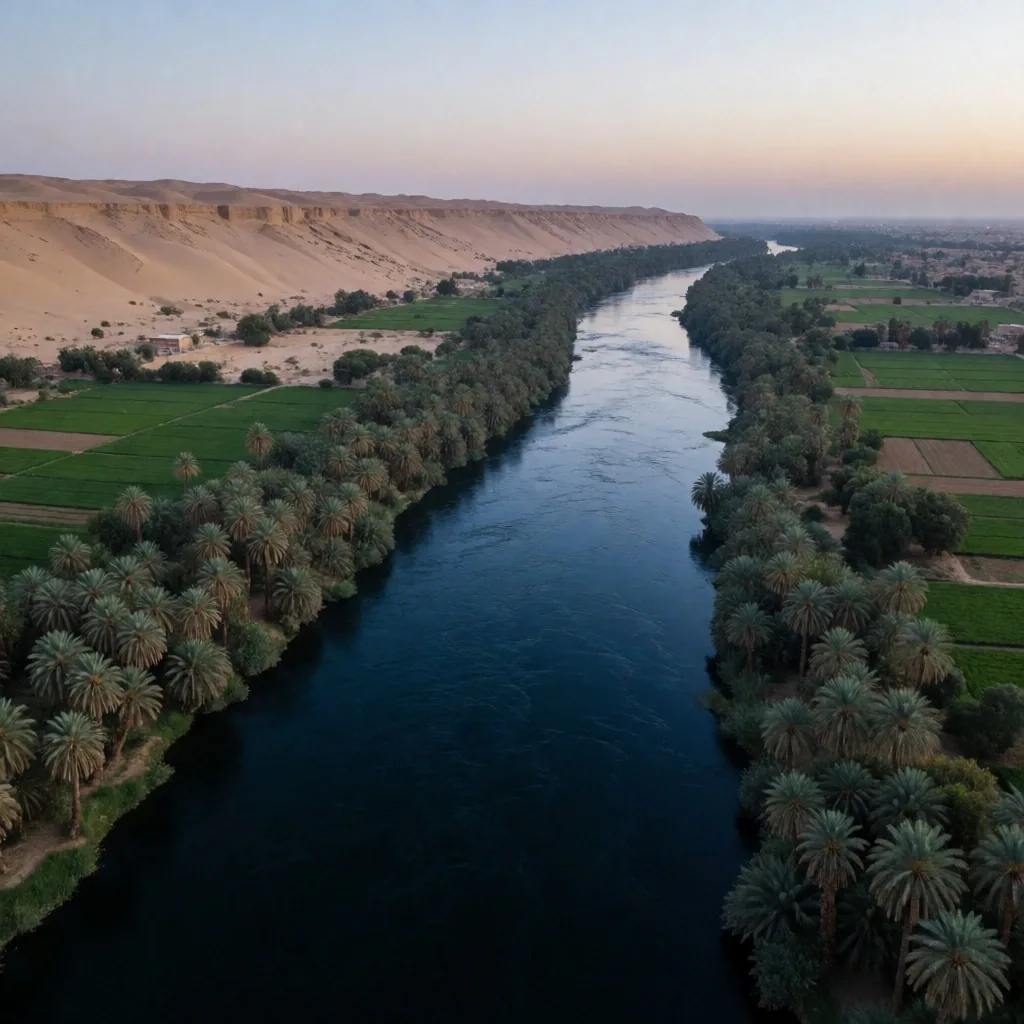
The Nile is the lifeline that has sustained civilization in this region for thousands of years. Its fertile valley forms a green stripe of palms, fields, and traditional life amid the surrounding desert. For any traveller into Egypt, following the river is the most natural way to experience the country's agricultural heart and historical depth. Our travel guides focus on the natural beauty of the riverbanks and the timeless atmosphere of the water.
Traditional Sailing on the Nile
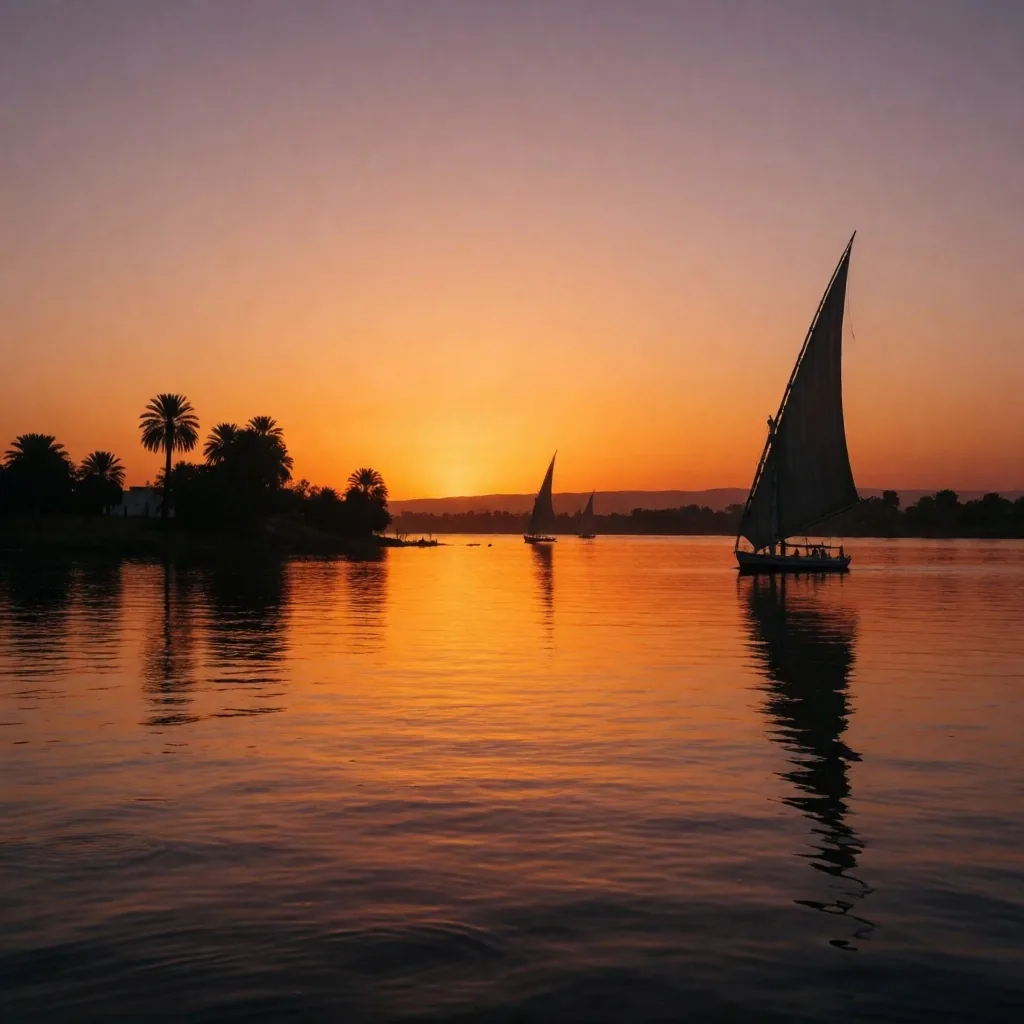
Felucca boats rely on wind and current for a slow, silent passage through the green corridor.
The Cataracts and Granites
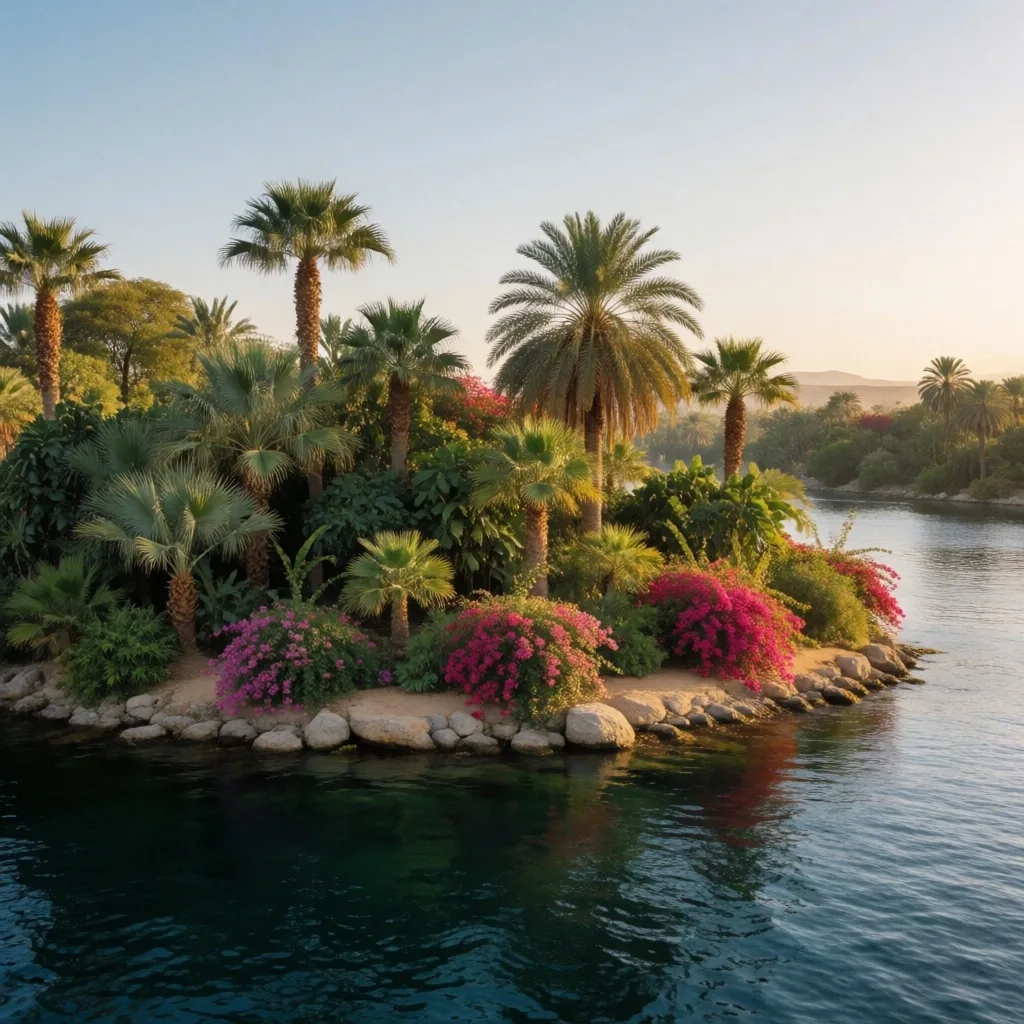
Dark granite boulders and small lush islands where the river turns rugged in the southern reaches.
The Nile Delta
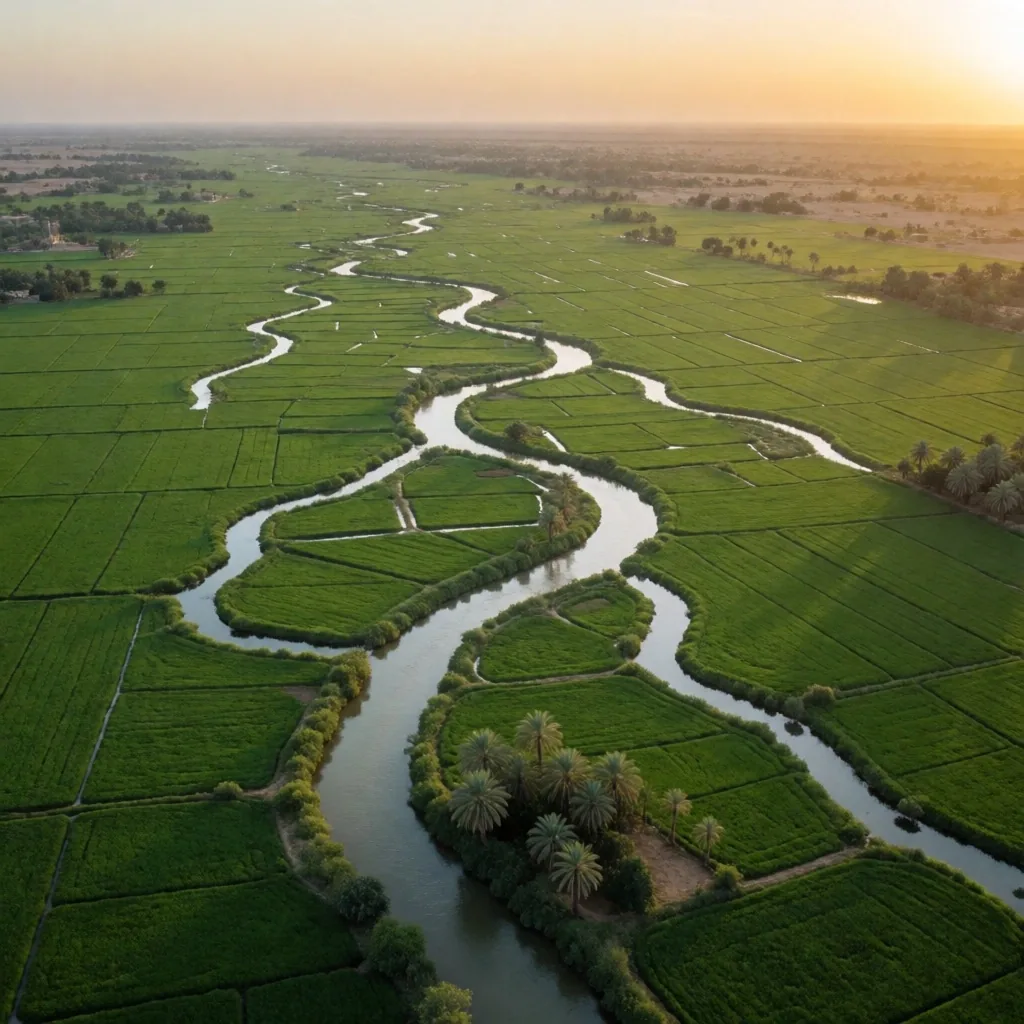
A labyrinth of waterways and productive farmland where the river meets the Mediterranean.
Where the Green Meets the Sand
A narrow corridor of life
The Nile valley is a masterclass in agricultural geography, where every inch of fertile soil is put to use. The transition from the lush greenery of the valley to the stark desert plateaus is often so sudden that you can stand with one foot in each world. This narrow corridor is home to a complex system of canals and dikes that have been managed for generations.
Shaped by the water's path
The river's path has shaped settlement patterns and the daily lives of millions. Villages cluster along the banks where the soil is richest and irrigation is simplest. Our egypt travelling guides explain how the annual flood cycle historically determined where communities built their homes and how that ancient logic still influences modern towns along the banks.
A landscape you can smell
Walk from the desert edge toward the water and the air changes. The dry mineral heat of the plateau gives way to the cool, damp scent of silt and growing things. The temperature shift is immediate and physical. The sound of wind in the palms replaces the silence of the open sand, and within minutes you are standing in a different world entirely.
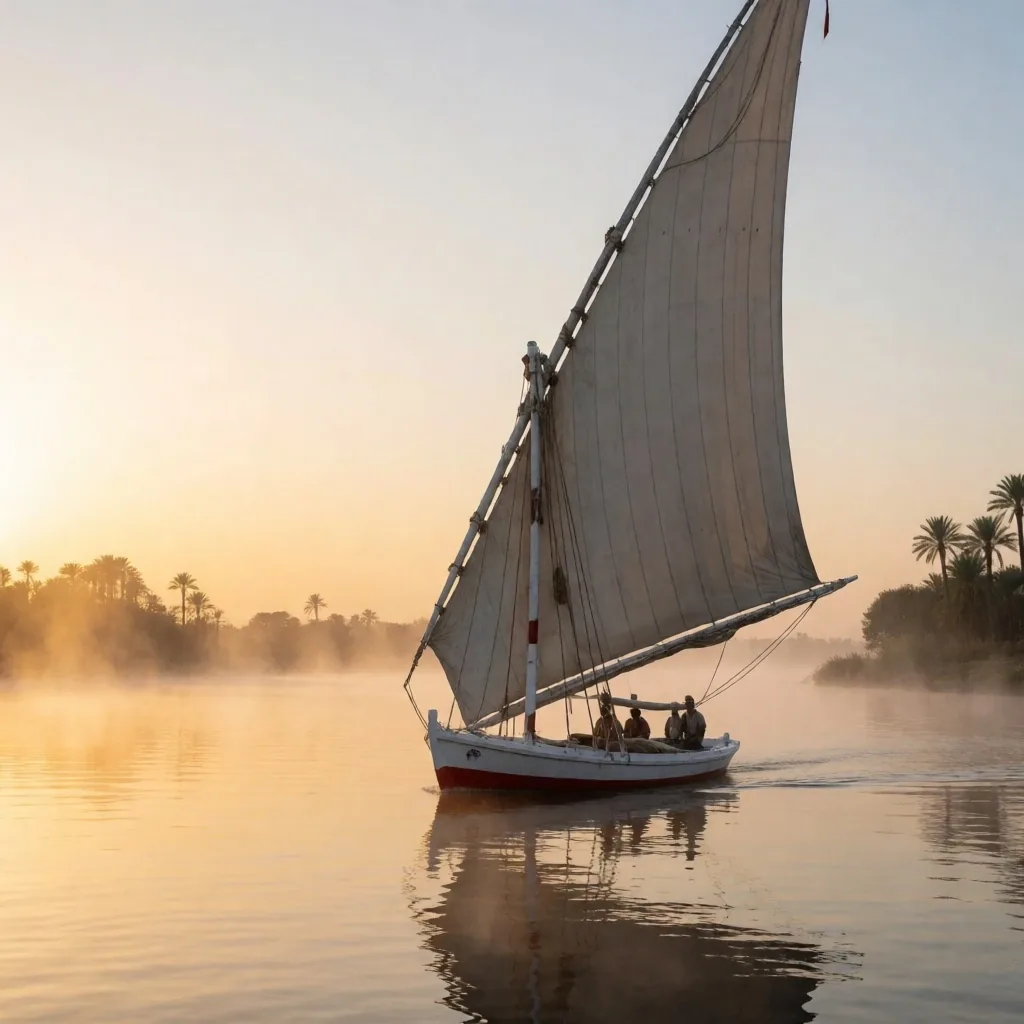
Slow passages on a wooden sailboat
One of the most peaceful ways to experience the river is by traveling on a traditional wooden sailing vessel known as a felucca. These boats rely entirely on the wind and the current, allowing for a slow and silent journey through the landscape. From the deck, you can observe the river life — fishermen in small boats, birds in the reeds, and the rhythmic pumping of water into the fields.
This slow pace is the perfect antidote to the bustle of modern life. There is no engine noise, no rush to reach a destination. The captain reads the wind and adjusts the sail, and the boat moves at the speed the river allows. Hours pass without notice. Our travel guides describe where to board these boats, what to bring, and what to expect from a day on the water.
Book a Sailing Guide →The Cataracts and Granites
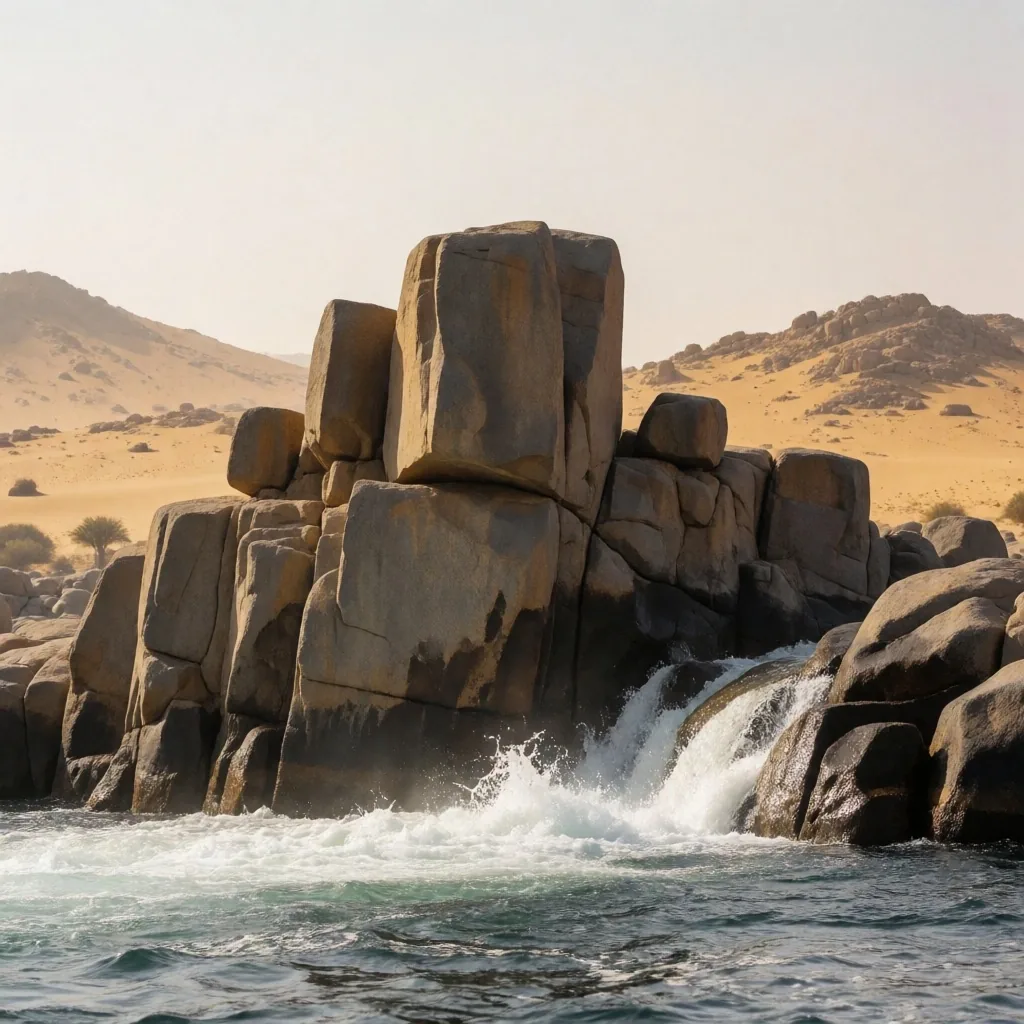
In the southern reaches of the river, the water flows over massive granite boulders, creating a series of rapids known as cataracts. This region is characterized by dramatic rock formations and small, lush islands that dot the river. The contrast between the dark stone and the bright green vegetation is particularly striking.
We guide you through these southern landscapes, where the river's character changes from a wide, calm flow to a more powerful and rugged force. The granite here is ancient — weathered into smooth shapes by millennia of water. Herons stand on the boulders in the early morning, and the current sounds different here, faster and more insistent than in the north.
Birdlife of the Riverbanks
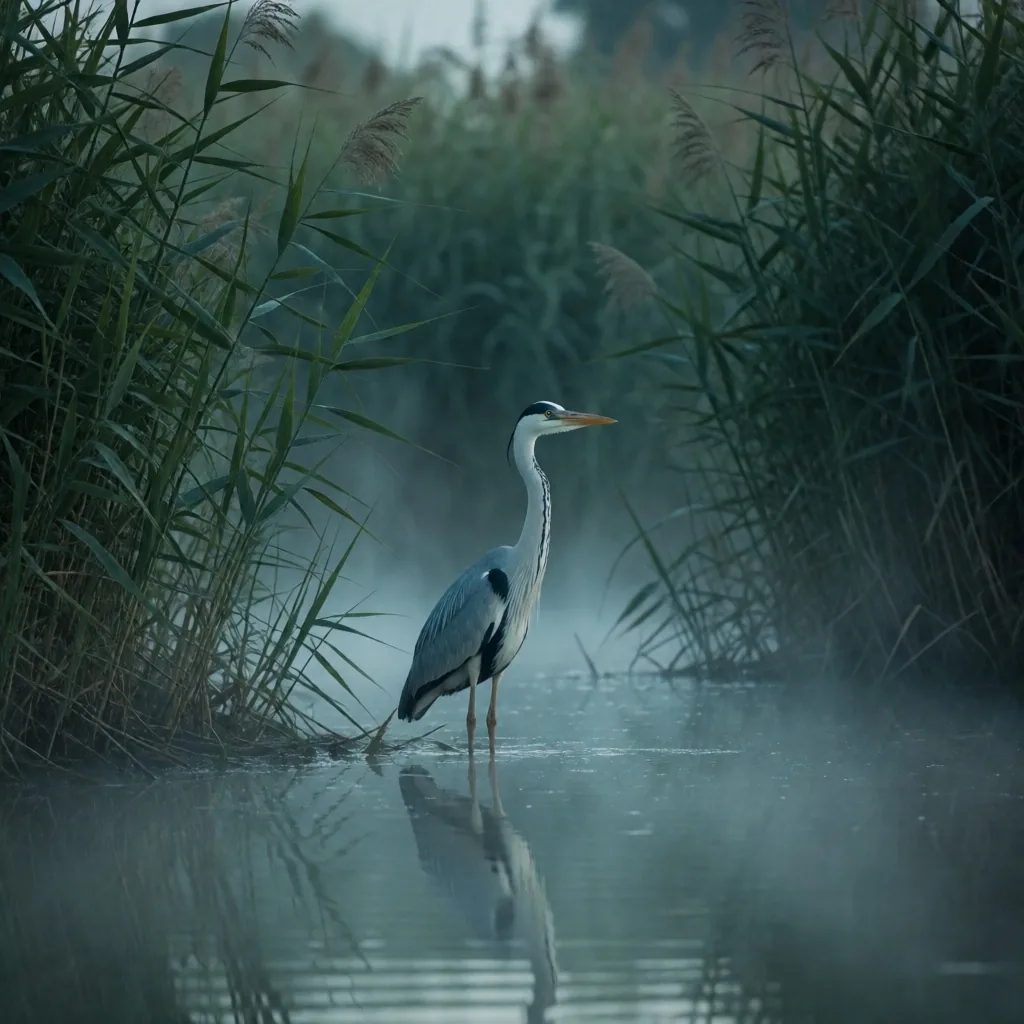
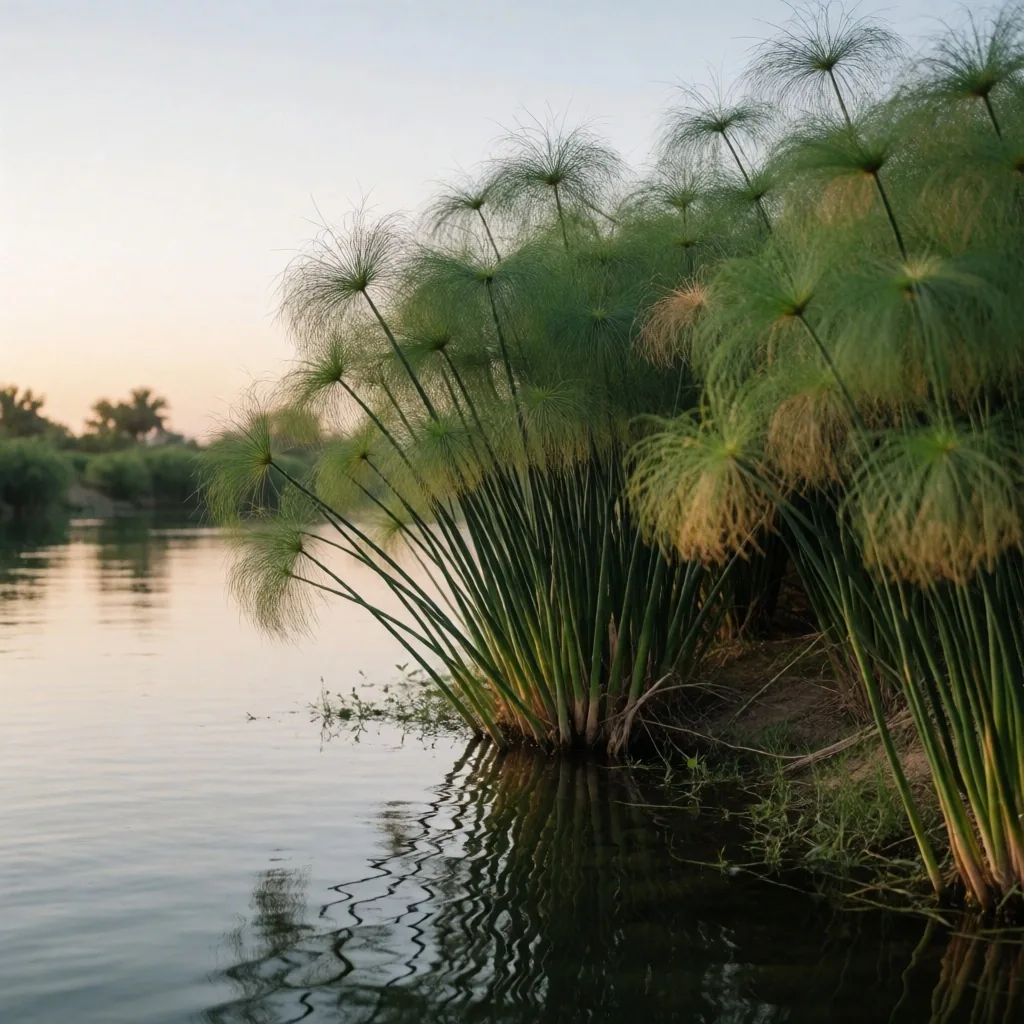
The Nile is a major corridor for migratory birds, making the riverbanks a paradise for birdwatchers. From herons and kingfishers to more rare migratory species, the diversity of avian life is staggering. The papyrus and reeds that line the water provide nesting grounds and protection for these birds.
Our egypt travelling guides help you identify the common and rare sightings you might encounter along the river. Early mornings are best — the reeds are full of sound, and the water is still enough to reflect the birds as they hunt. Kingfishers flash blue across the surface, and flocks of herons settle in the shallows as the light fades.
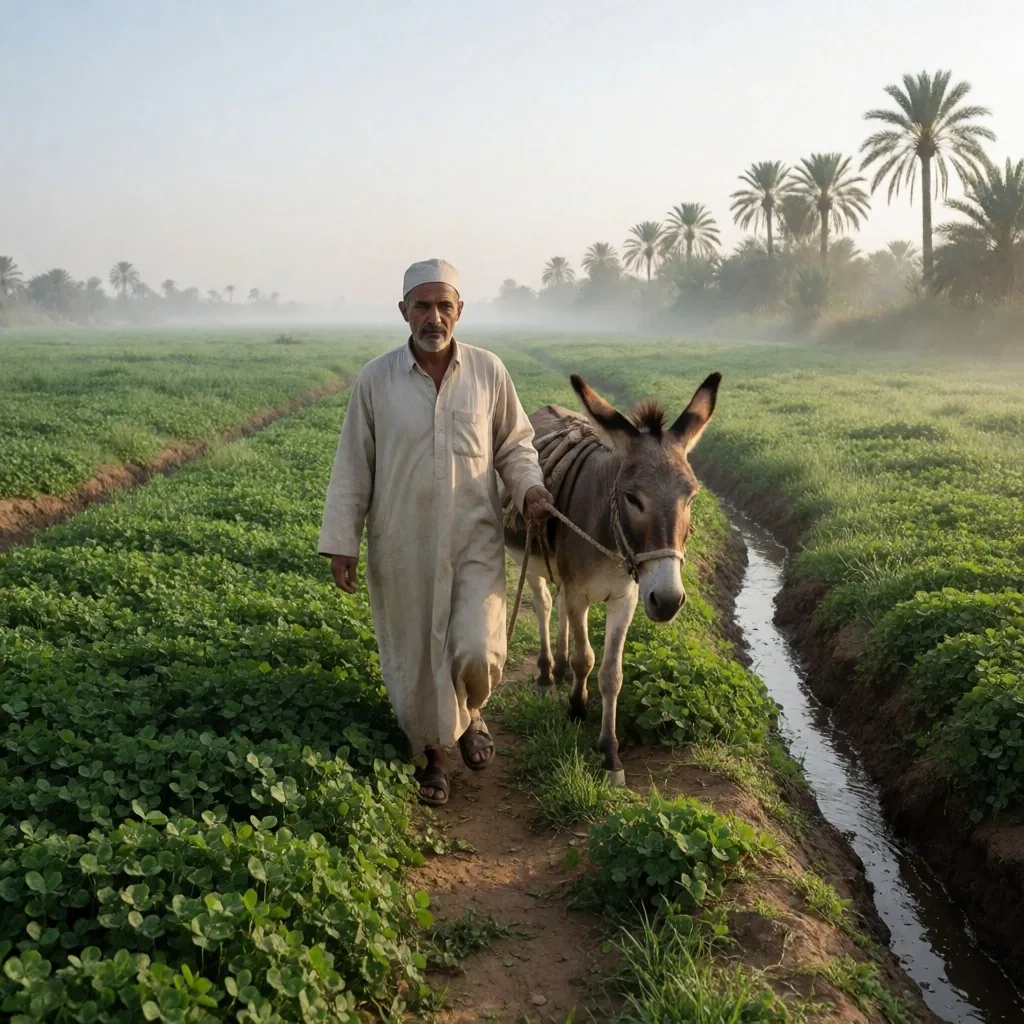
Centuries of farming along the banks
The methods of farming along the river have remained largely unchanged for centuries. You can still see farmers using traditional tools and animals to tend to their crops of clover, wheat, and vegetables. This agricultural cycle is the foundation of the local economy and culture.
Understanding these traditions provides a deeper appreciation for the food you eat and the landscape you see while traveling. The clover feeds the livestock, the livestock works the fields, and the fields feed the villages. Nothing in this system is wasted, and the rhythm repeats with every season.
Our travel guides walk you through what grows where, when to see the fields at their greenest, and how to recognize the different stages of the harvest cycle as you move along the river.
Sunset on the Water
The reflection of the setting sun on the surface of the Nile is one of the most iconic sights in the region. The sky often turns shades of deep orange and purple, silhouetting the palms and the sails of the boats.
We suggest the best locations along the river for enjoying this daily spectacle. Whether you are on a boat or sitting on a high bank, the Nile at dusk is a moment of profound beauty and calm.
The color lasts only minutes, but the stillness stays with you long after. Our egypt travelling guides note which bends in the river face west without obstruction, and which village banks offer the clearest view of the horizon.
The Nile Delta
As the river approaches the Mediterranean, it splits into multiple branches, creating the vast and fertile Delta. This region is a labyrinth of waterways and some of the most productive farmland in the world.
The landscape here is flatter and more expansive than the narrow valley to the south. The horizon stretches wide, and the fields run in every direction without the hard edge of desert that defines the southern valley.
Our travel guides explore the unique character of the Delta, where the river's journey finally meets the sea. The waterways here are smaller, slower, and more numerous — ideal for exploring by small boat and for watching the birdlife that gathers where fresh water meets salt.
Botanical havens on the water
The Nile is dotted with numerous islands, some of which are entirely dedicated to agriculture, while others are small botanical havens. These islands offer a unique micro-environment, often cooler and more peaceful than the mainland banks.
Many host exotic plants and trees that were brought to the region over the last century. Exploring these islands by small boat is a wonderful way to see the river from the inside out. The air is different here — denser with green, cooler in the shade of trees that have grown undisturbed for decades.
Our travel guides note which islands welcome visitors, how to arrange a small boat to reach them, and what to look for once you land on the bank.
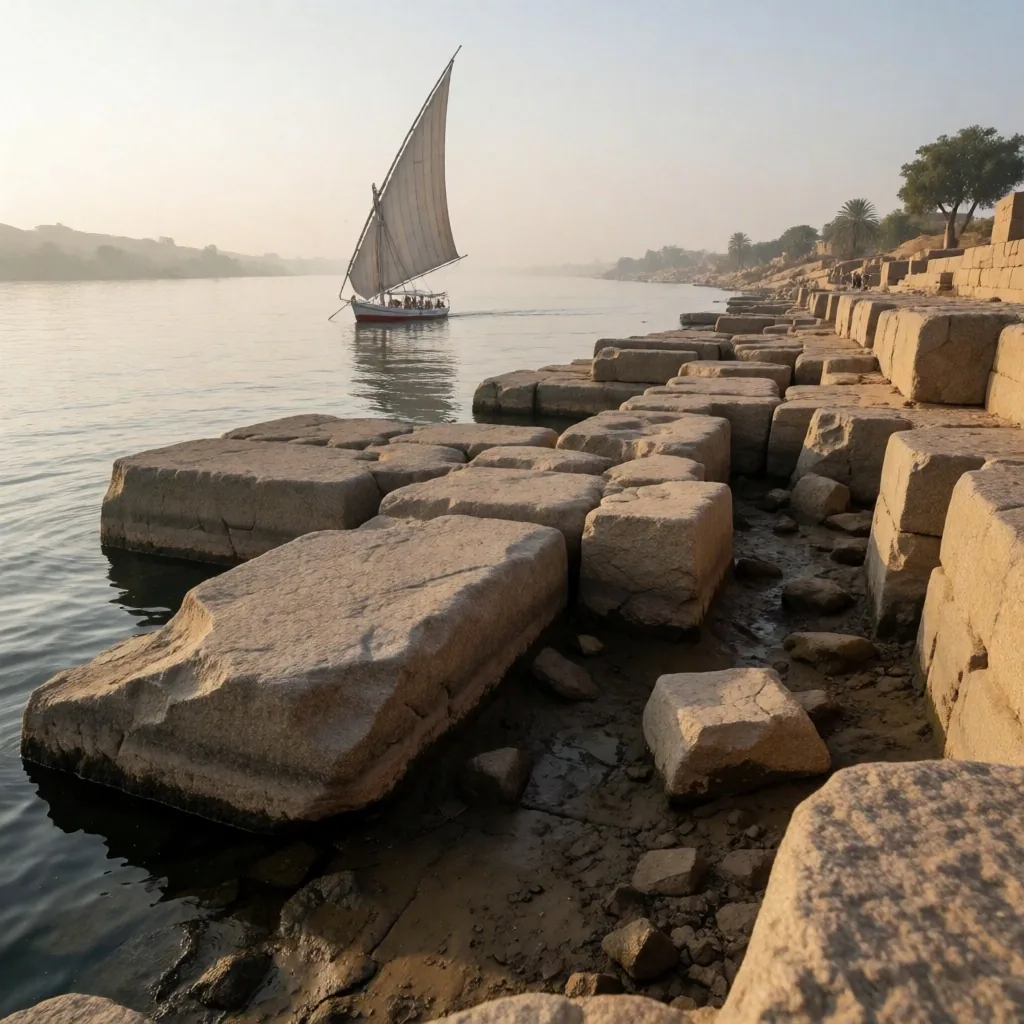
The river as the first highway
Before modern roads and railways, the Nile was the primary highway for the transport of stone, food, and people. The remnants of ancient quays and docks can still be found along the banks, serving as a reminder of the river's historical importance.
We connect these physical markers to the story of how the river enabled the construction of massive monuments far from their source of stone. For the traveller into Egypt, this adds a logistical perspective to the beauty of the water.
Looking at the worn steps cut into the riverbank, you can trace the routes that stone and grain once traveled. Our egypt travelling guides point out the most accessible remnants and explain what was loaded where, and why.
A shared responsibility
The health of the Nile is critical for the future of the region, and environmental conservation efforts are increasingly important. We discuss the challenges facing the river, from pollution to water management, and how travellers can minimize their impact.
Simple actions like reducing plastic waste and supporting eco-friendly boat operators make a difference. Our travel guides emphasize the responsibility we all share in protecting this global natural treasure. For more on how to travel lightly along the river, see our sustainable travel resources.
Nile City Towers 2005 B
Nile Corniche, Boulaq Num.1
Bulaq, Cairo Governorate 11311
Egypt
Speak with a guide
Phone: +20224619494
Email: [email protected]
Mon–Fri: 9:00–18:00